
Pat Scola, ASC: Grit, Restraint, and Firelight in The Death of Robin Hood
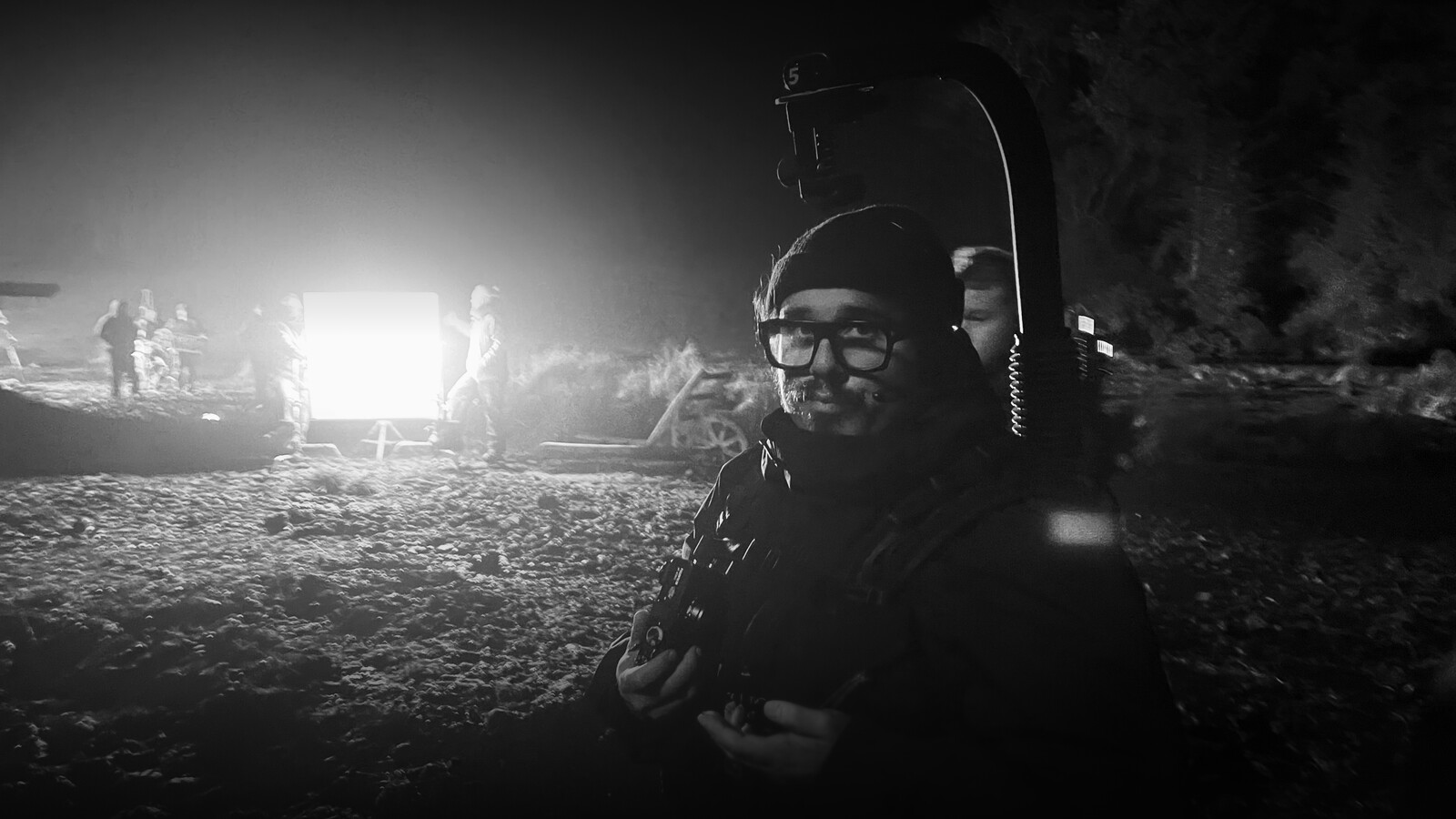
Grit comes from restraint and control.
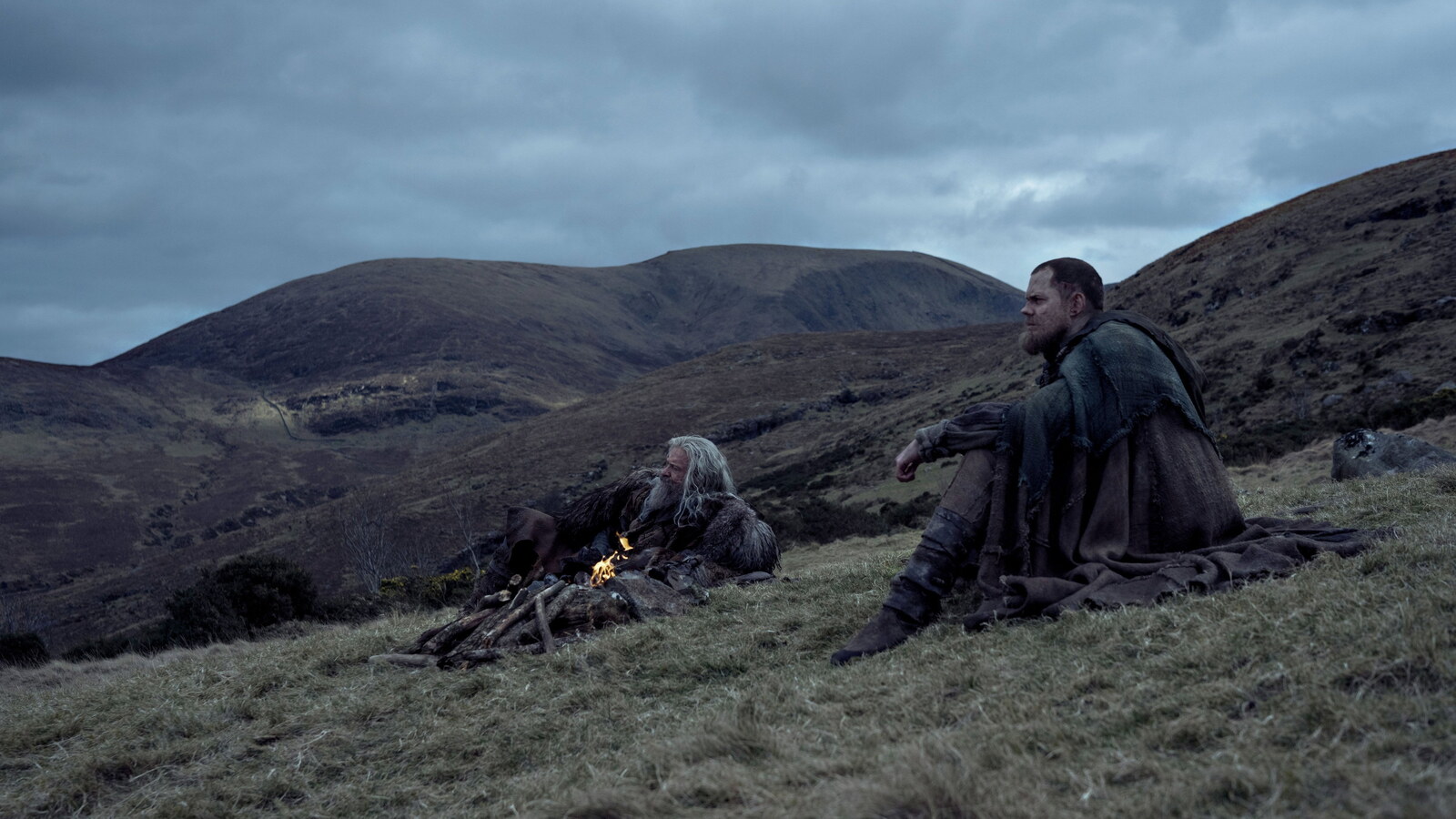
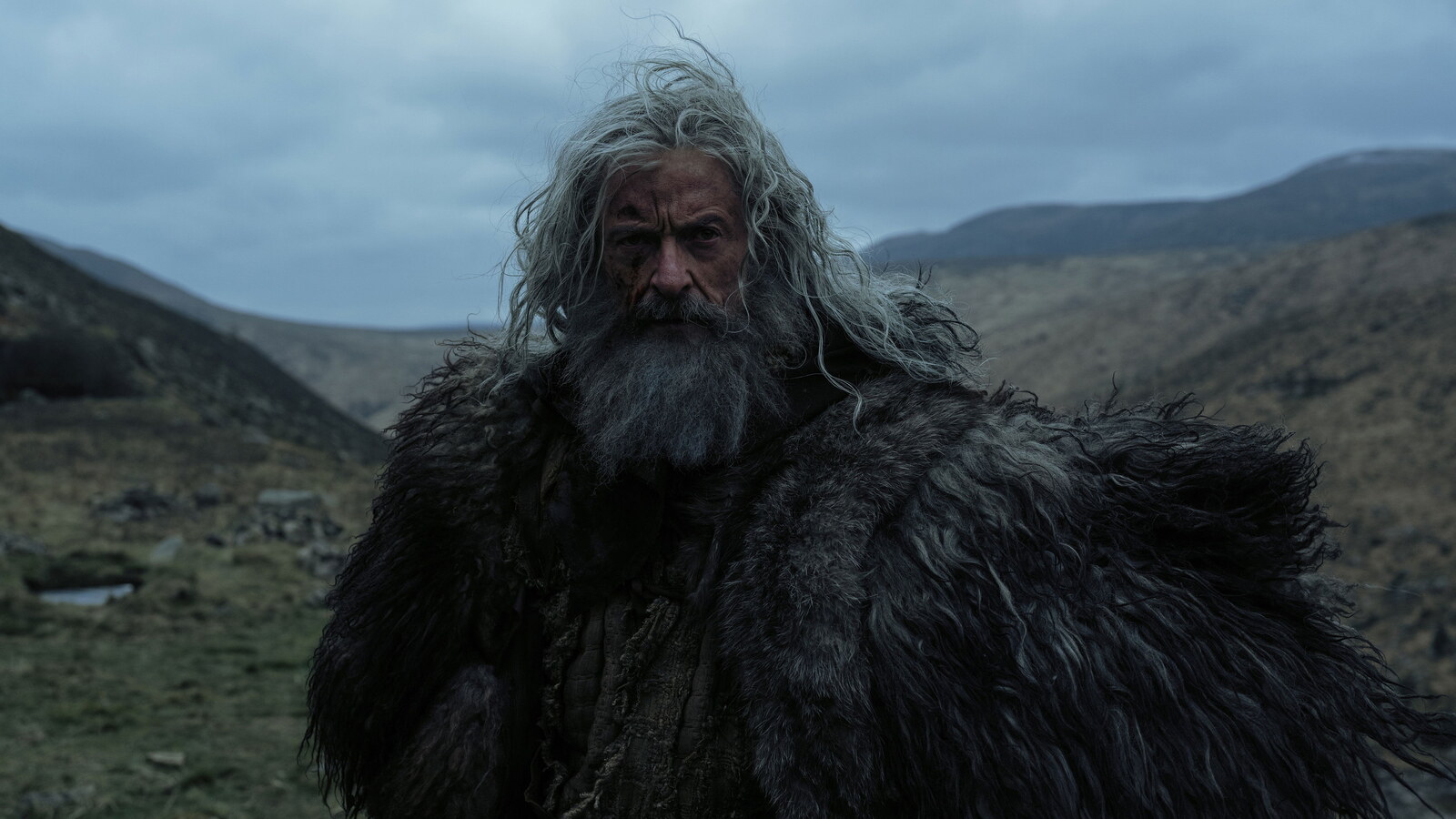
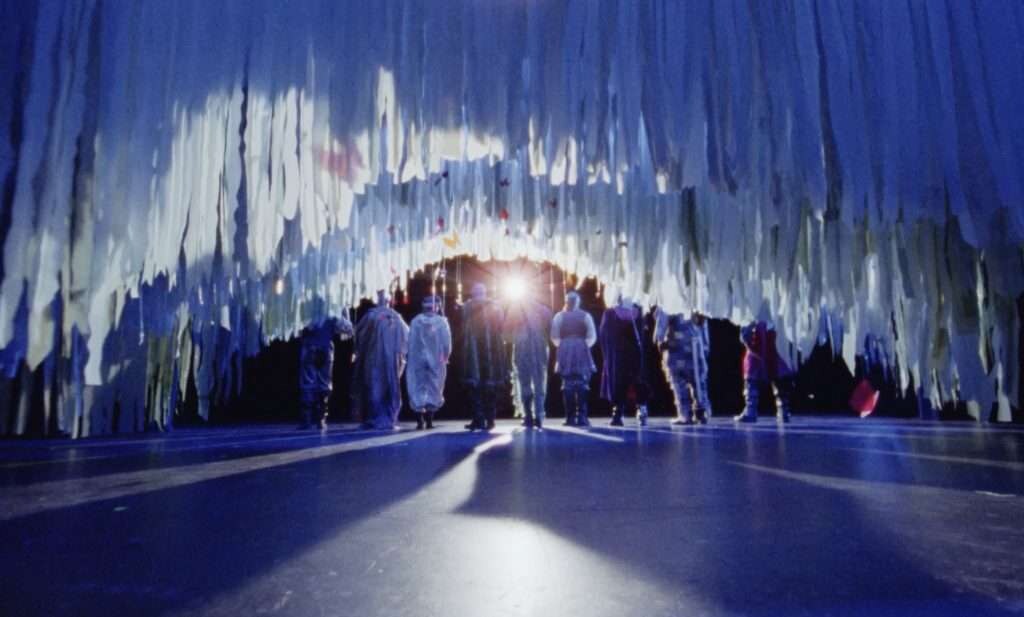
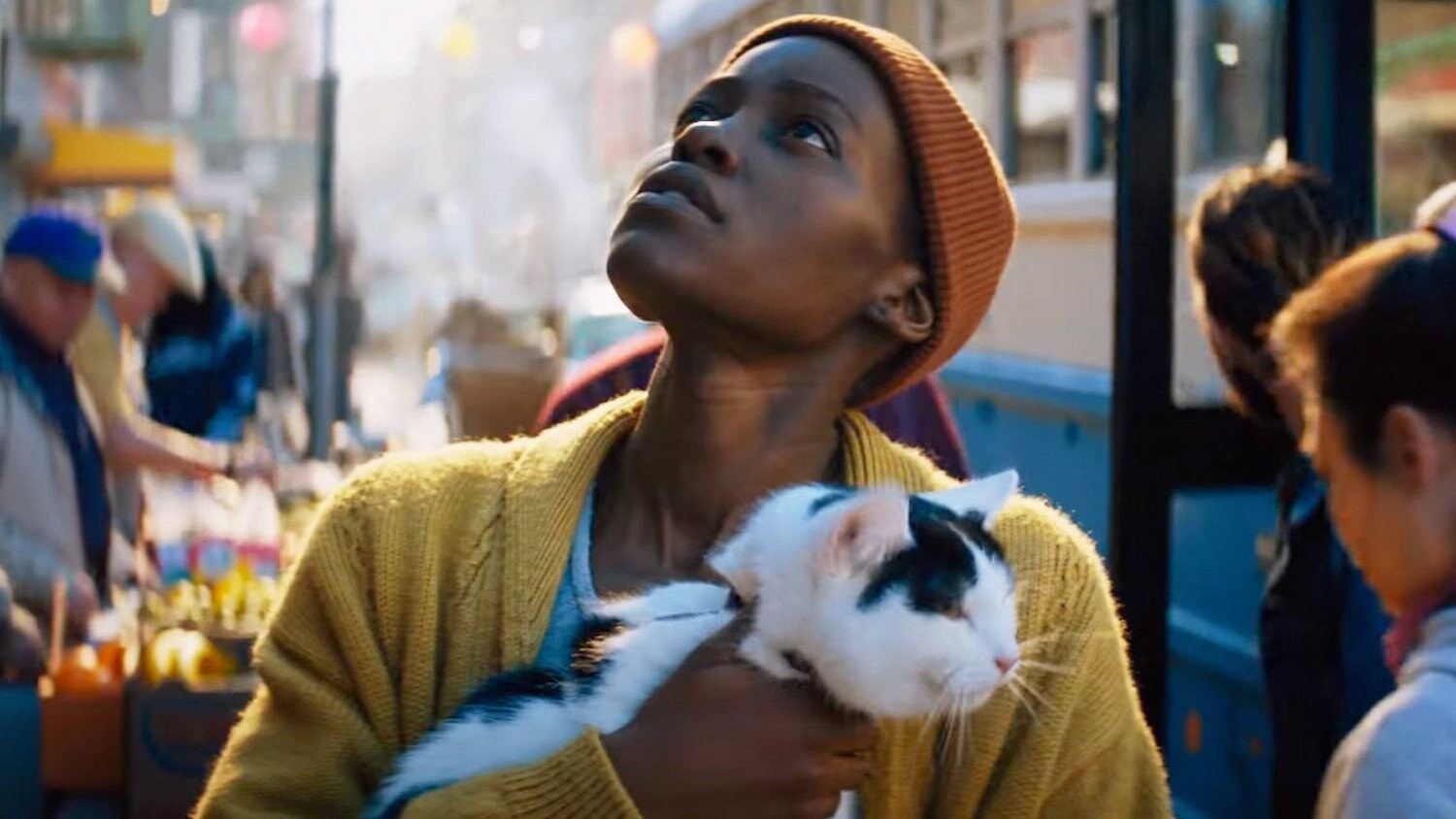
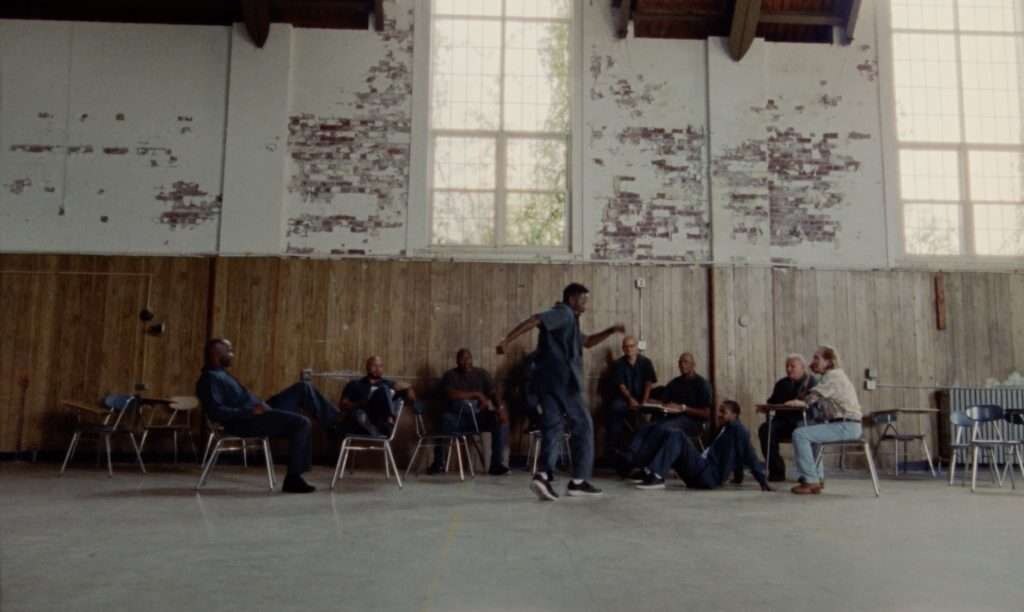
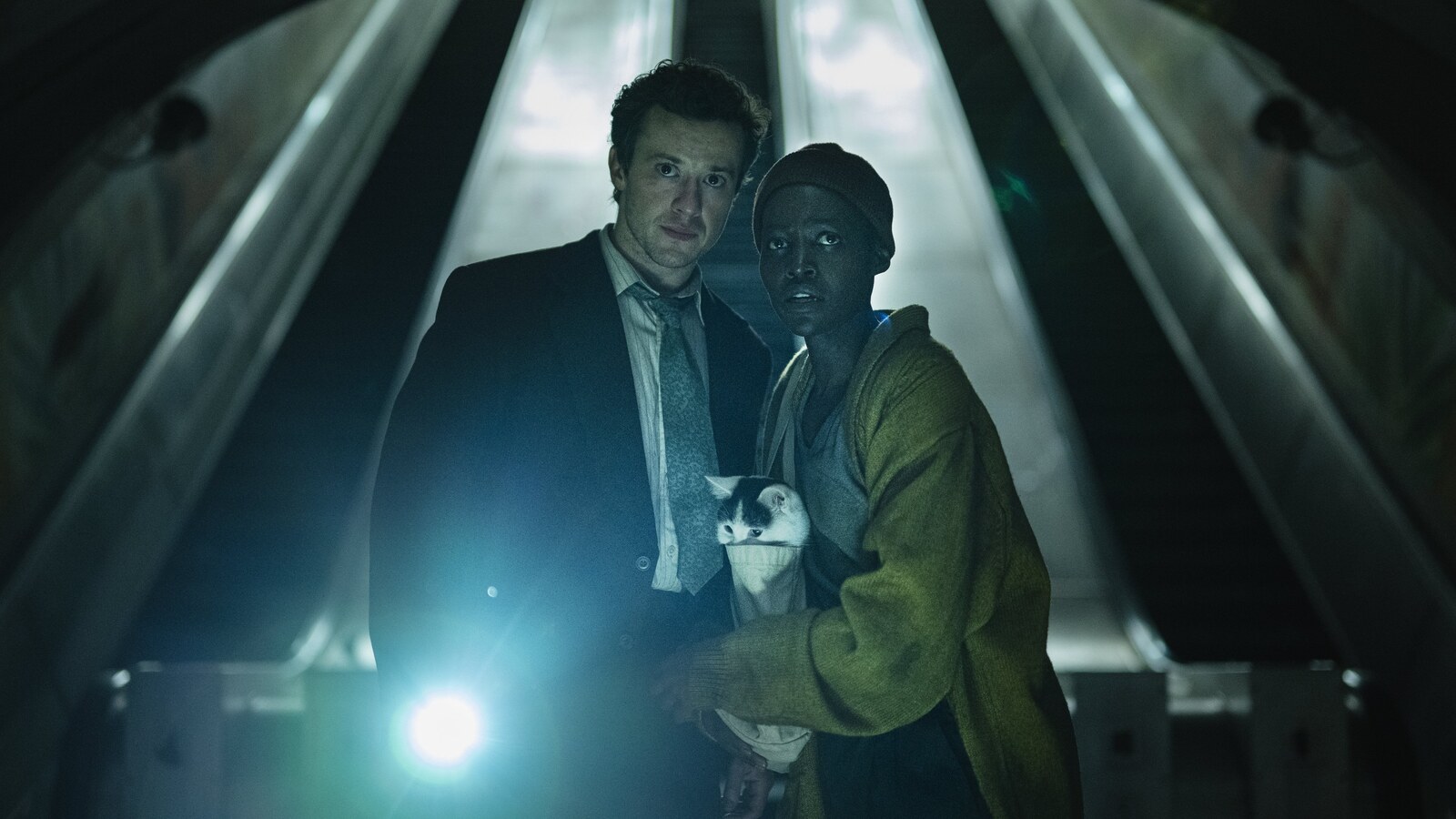
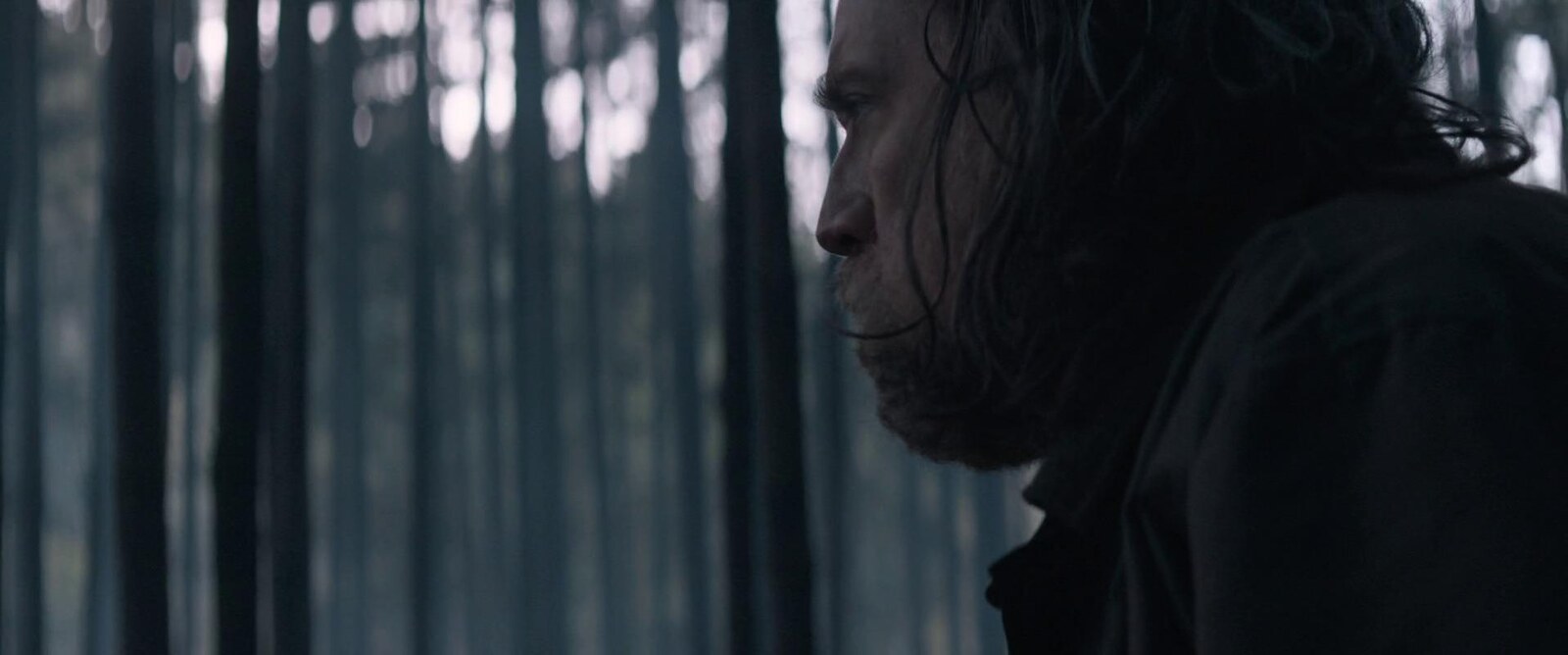
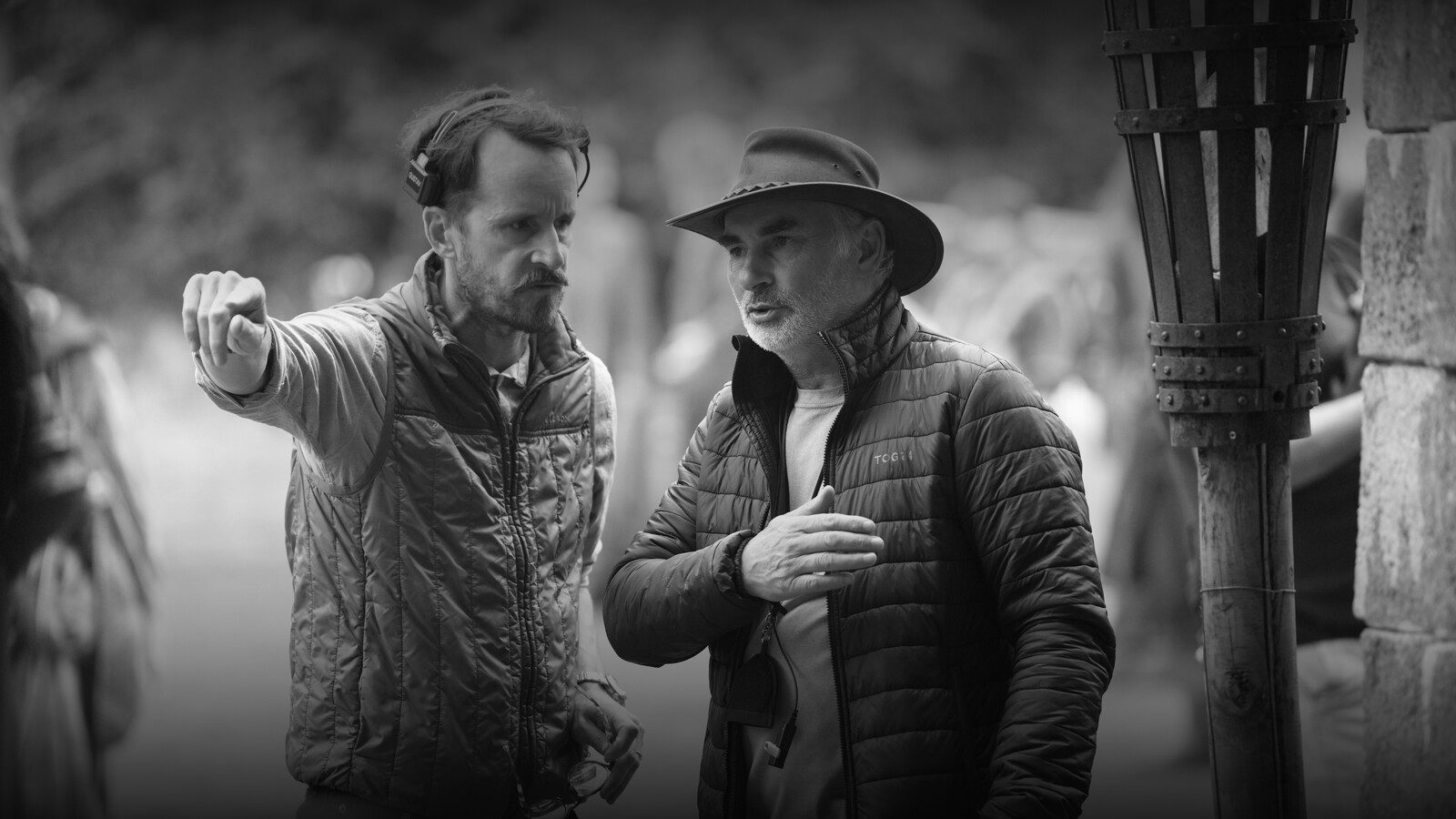
The Death of Robin Hood is Pat Scola's third film with Michael Sarnoski, made an hour outside Belfast on a production budget of around eleven million, somewhere between the scrappiness of Pig and the scale of A Quiet Place: Day One. Sarnoski wanted grit, and Scola is precise about the word. He does not mean film grain. "Grit comes from restraint and control," he says, and a large part of the job now is "the choices you decide not to make." The fight in the mud, Robin and a peasant trying to drown each other, was conceived as a oner so the viewer would be stuck inside the brutality with no cut to hide behind. The film opens in 2.39 anamorphic for the myth of Robin, and across his wounded transfer to the priory the mattes open to 1.66, invisibly.
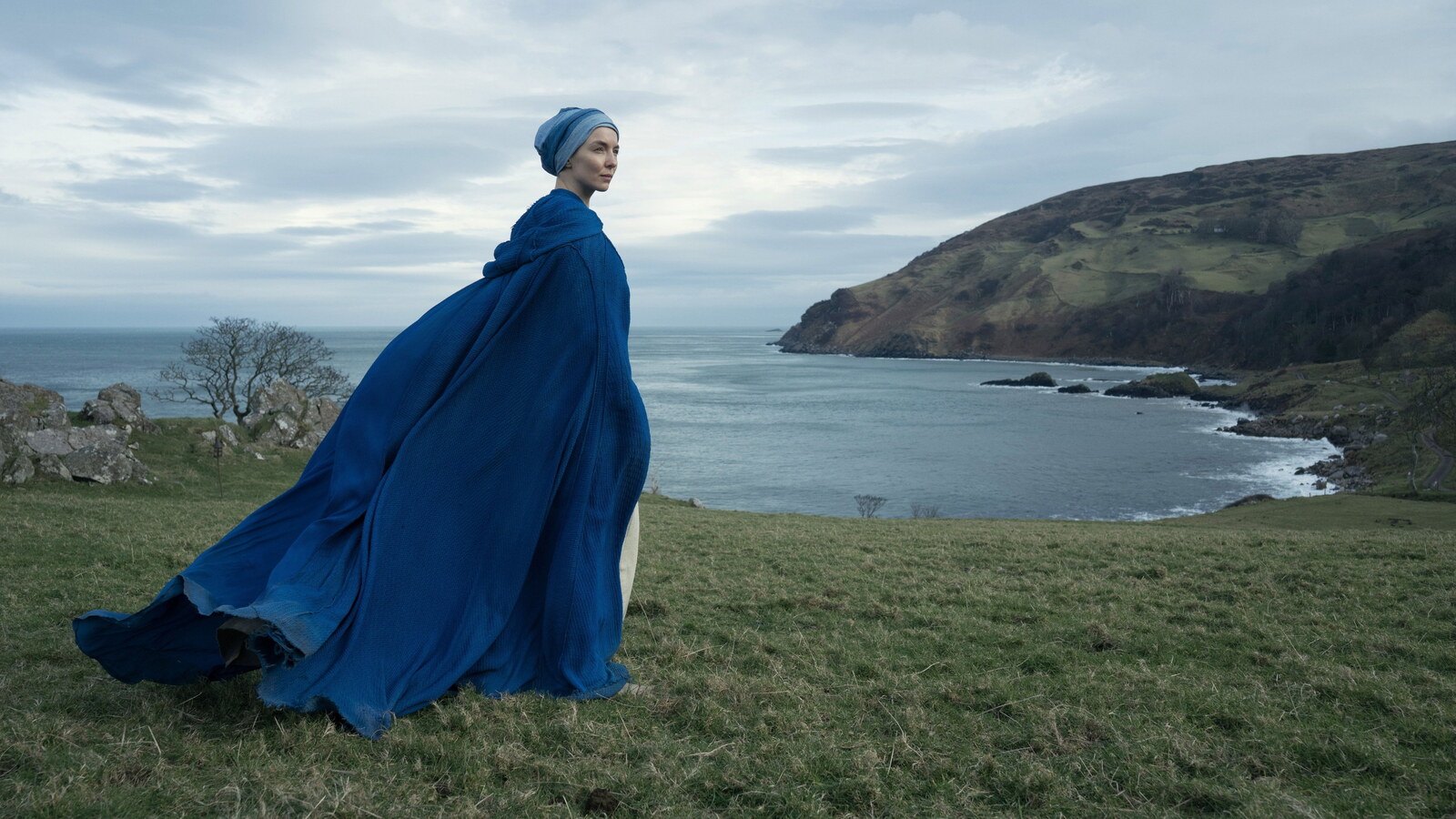
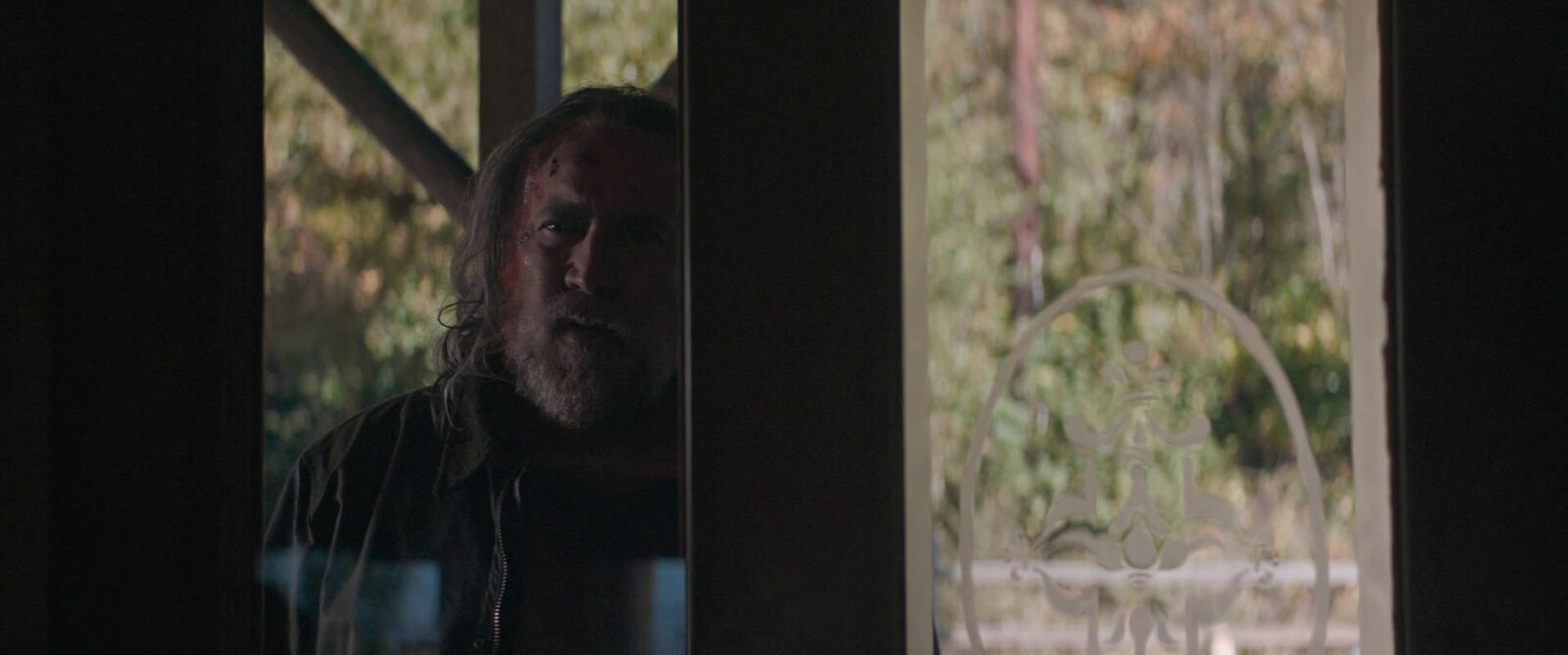
His rule for lighting is that it should not feel lit. The keeper from a firelight test in prep was a rig the gaffer called the Dalek, a sheet of plywood carrying twenty-odd 500 watt clear bulbs, driven by fire footage so the light moves the way a real fire's does. Where real fire could carry a scene, it did. The scene of Bill Skarsgard's character washing his dead wife is a single fireplace and the only roll in the picture that was pushed. The final scene was shot on Kodak's new stock, so new it was still called SO55 and had no official rating. He is equally frank about fear. After day two he called his wife and told her he should never have shot the film on film, that it looked terrible, and that was the day whose dailies held the first shot of Jodie Comer at the window in blue. The fear burned off at about two and a half weeks.
-
Pat Scola, ASC
-
Jared Levy
-
David Kruta
-
Topher Hammond
This episode is made possible by Fujifilm.

The work stays free. Someone still pays for it.
Every episode, every article, and both of the Resources tools are free to use. No paywall, no membership fee, no login. That is not a growth tactic, it is the whole point: learning to light a scene should not depend on what you can afford.
Sponsors cover part of it. The rest is people chipping in.
Monthly or yearly, from $5 a month, less than the price of a coffee. It costs real money to keep the podcast, the writing, and the tools running, and supporting is what covers it.