
Doug Emmett: Lighting Emmy Rossum and Anya Taylor-Joy in Furious and Lucky
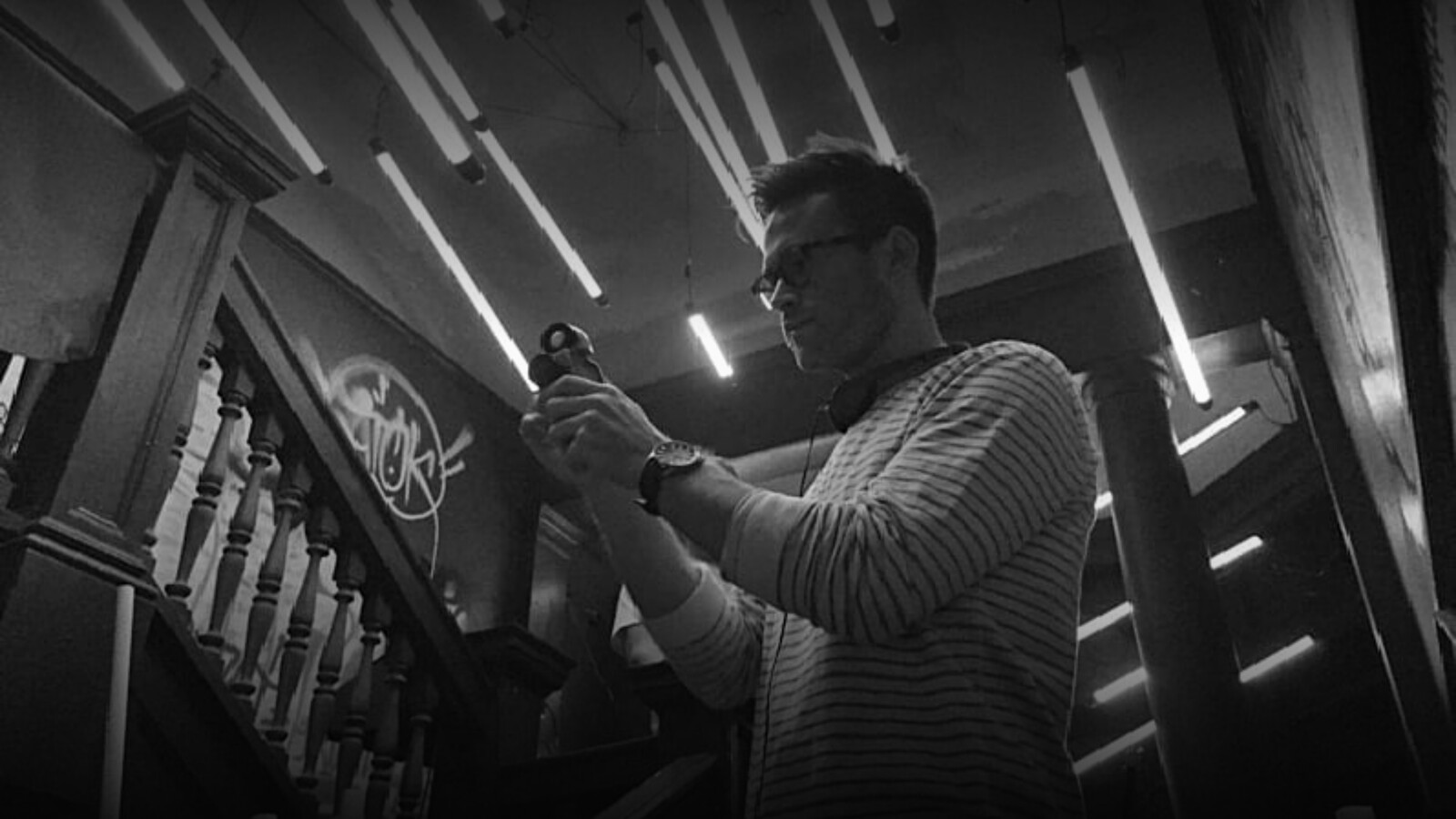
The light always has to feel motivated.
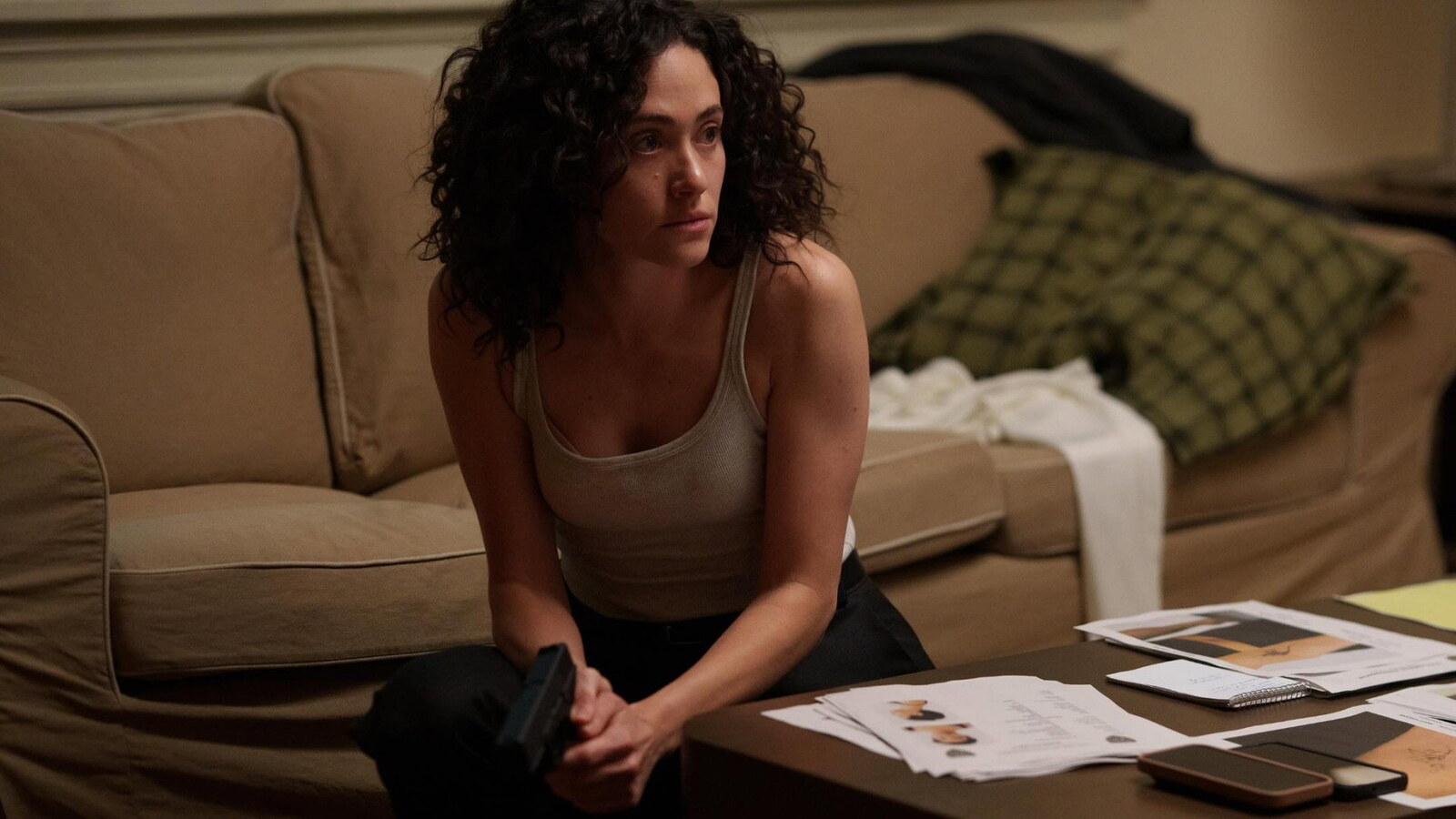
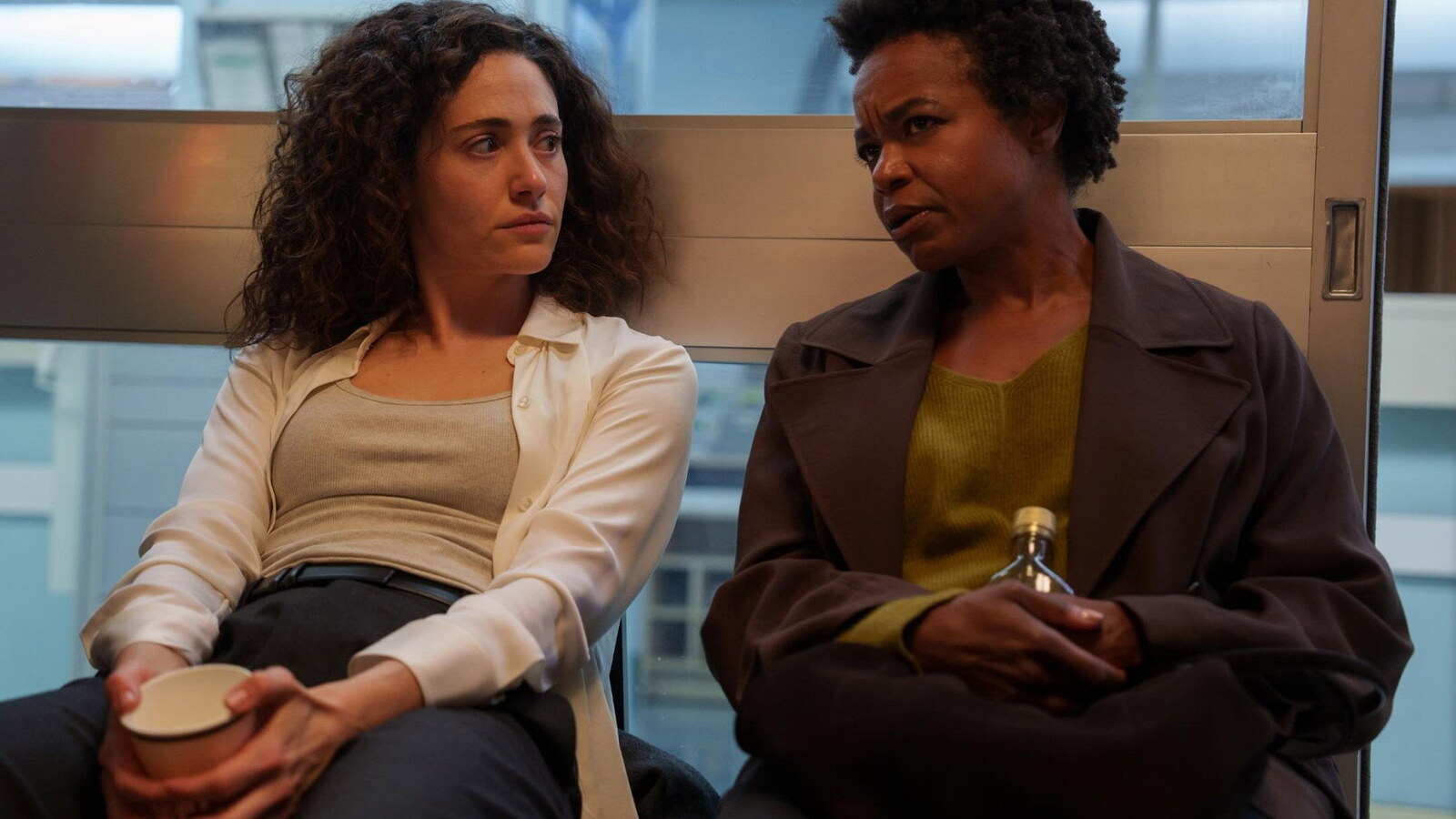
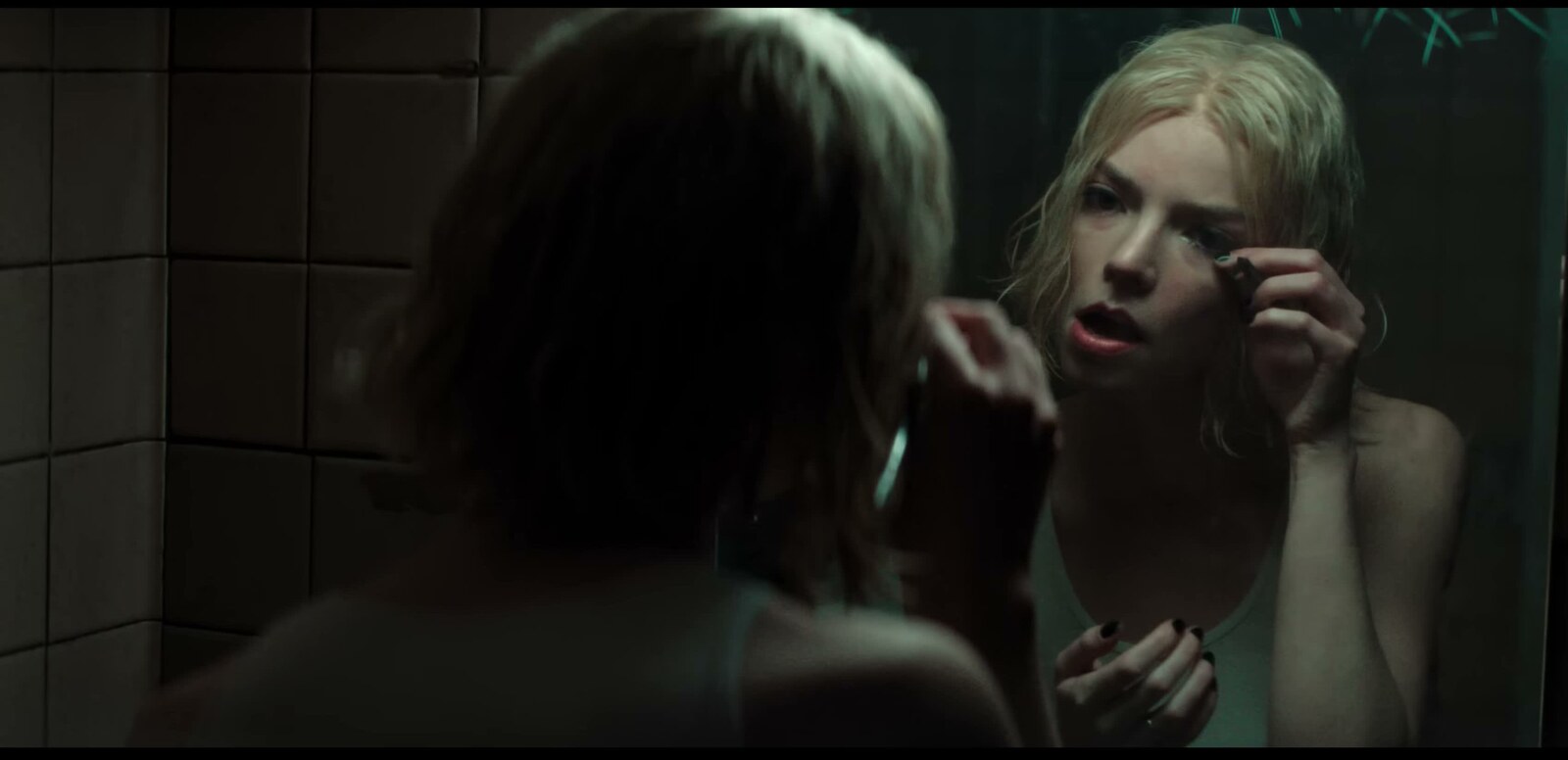
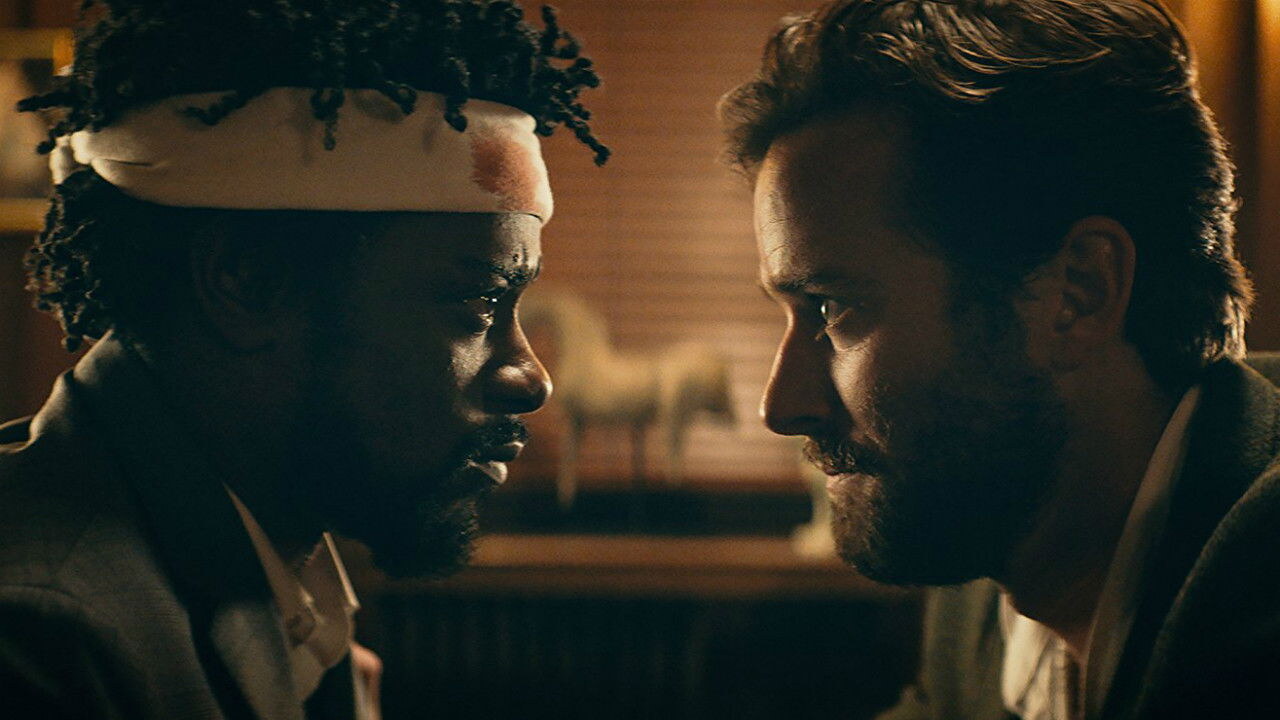
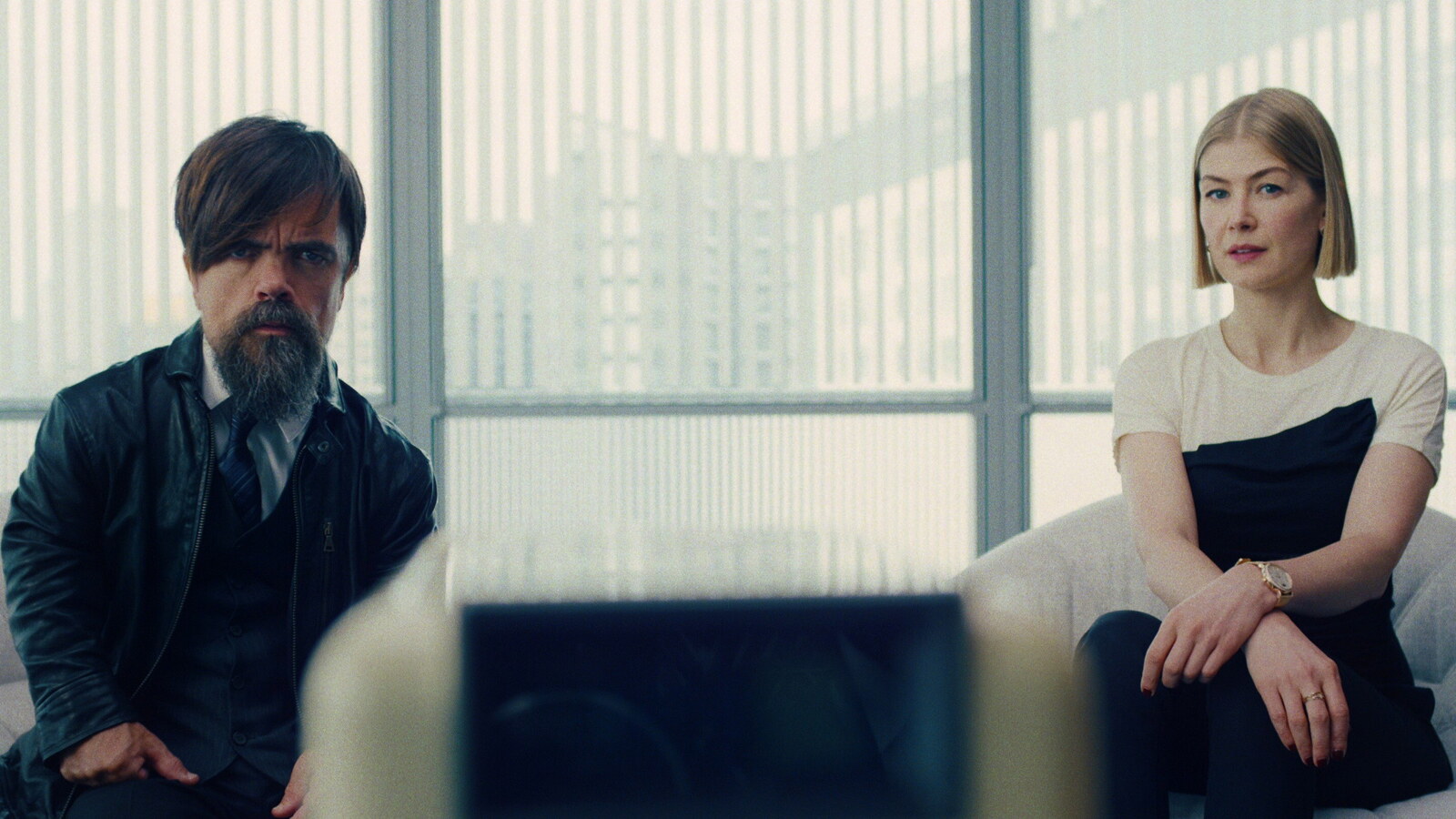
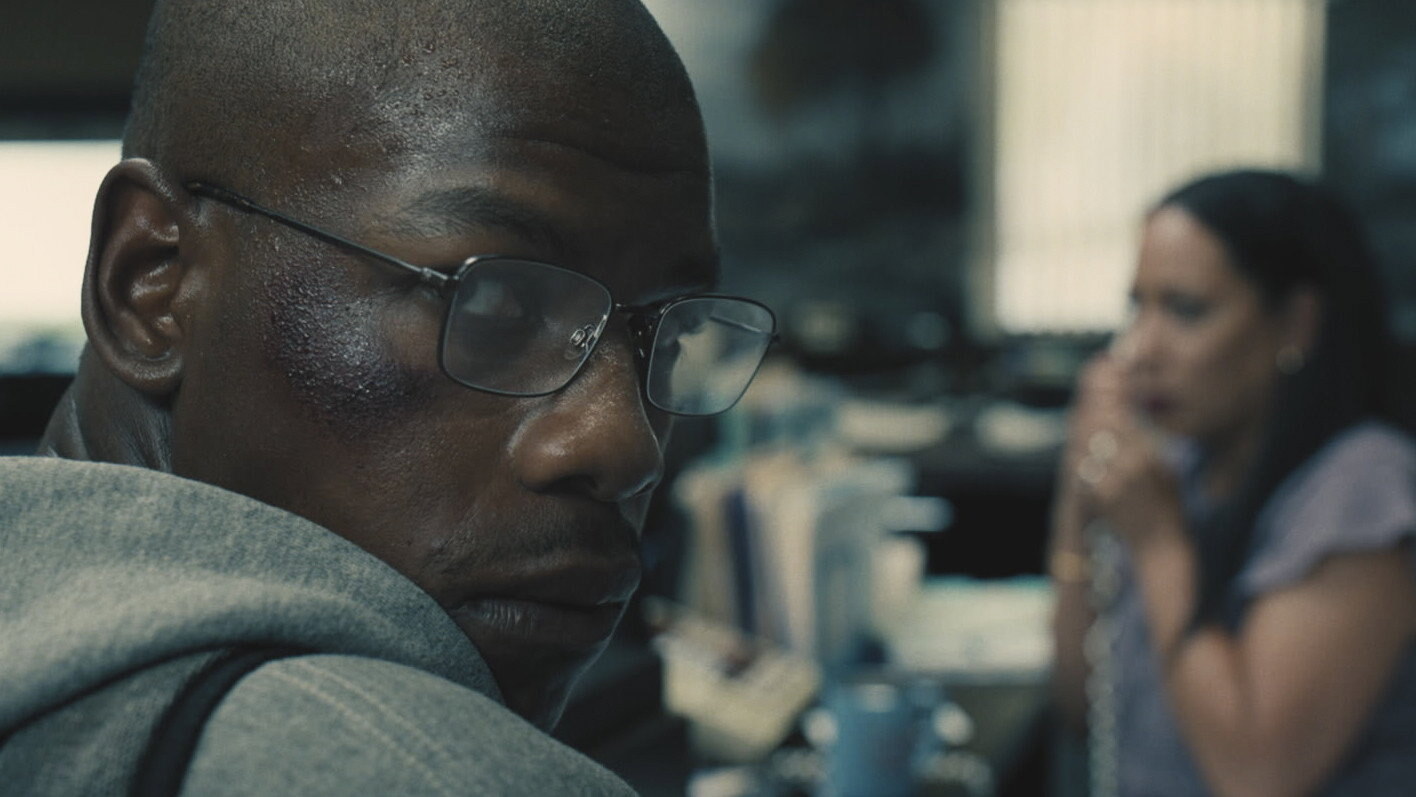
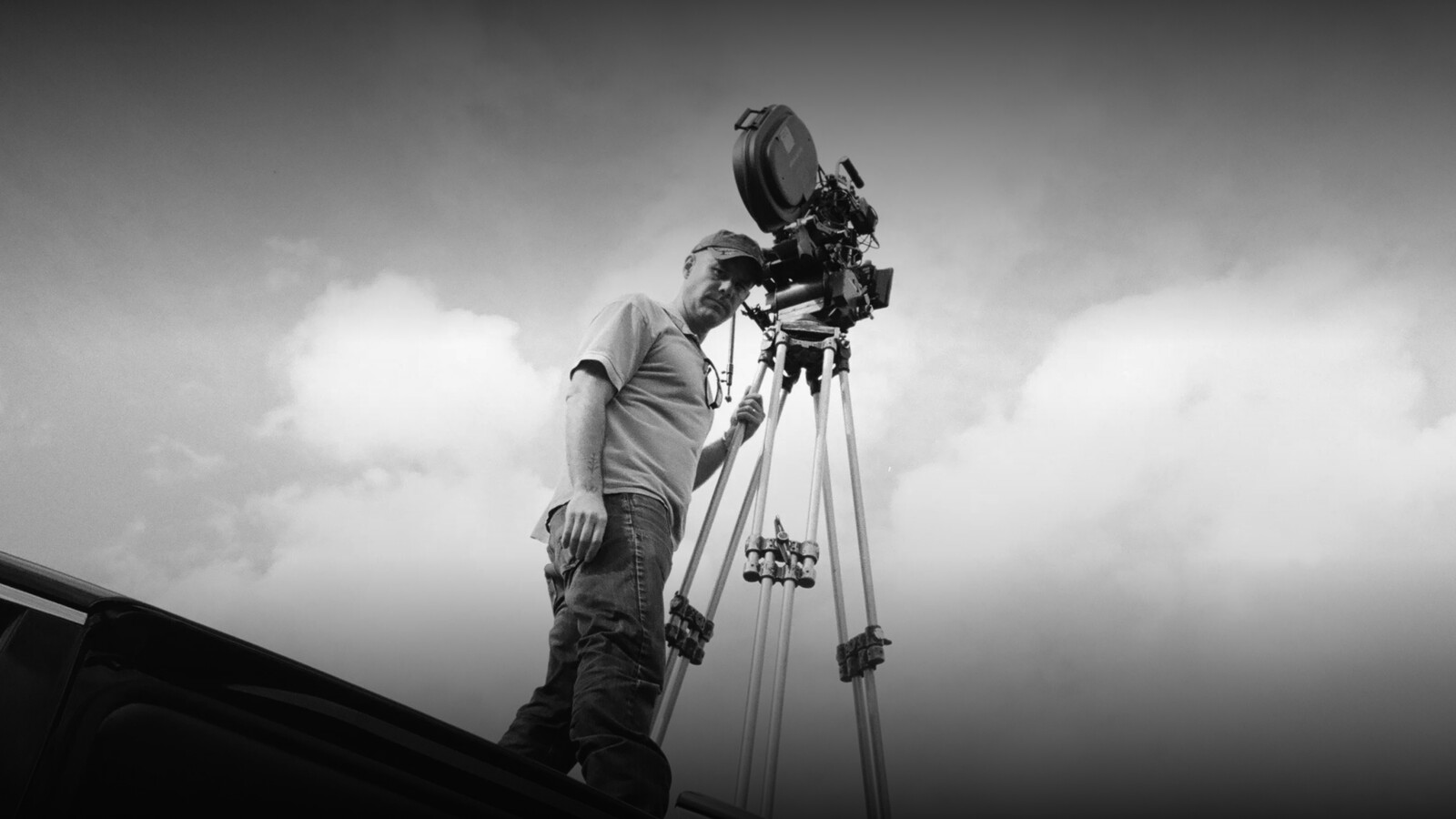
Doug Emmett made Lucky in Los Angeles through the spring of 2025, took three weeks off, and went straight to New York to prep Furious with Brian Kirk, who directed the first two episodes. He got the job after an interview at 4:45 in the morning from a trailer in the desert, where Kirk told him the deck he had built was the opposite of what he had in mind. Showrunner Liz Meriwether then had the department heads rehearse their studio pitch on group Zoom calls until it ran under a minute. The color rule came from the locations. The townhouse and the FBI office hold one color temperature, while the police station, the women's shelters and the street mix warm desk lamps, mismatched lampposts and flickering fluorescents. A green tube in a kitchen ceiling became a named color, Alice Green, and returned in episode six to turn the skin tones in a shower scene strange. After testing 20 lens sets, he remembered the fireworks behind Brad Pitt in Killing Them Softly and went to Panavision G series glass modified by Dan Sasaki. In a 60th-floor penthouse walled in glass, the question was "where do the lights go when you have mirrored walls everywhere?" Most went into the ceiling.
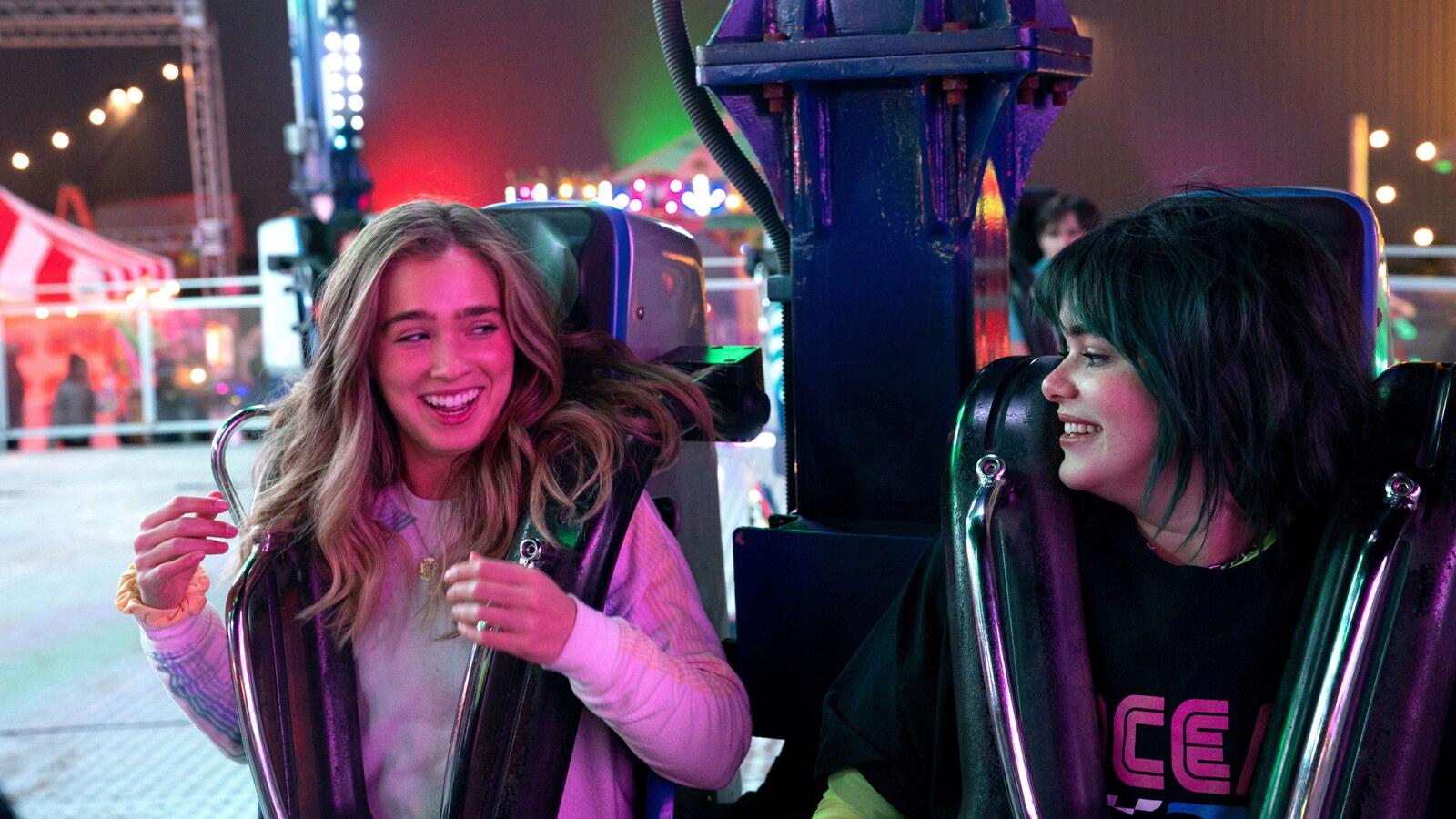
On Lucky, for Apple, Emmett followed Yaron Orbach, who started the series, and worked with Greg Yaitanes on episodes two and three and Jonathan van Tulleken on six and seven. The references were Tony Scott's: Spy Game for the FBI offices, Man on Fire and its long lenses for an oil refinery. Flashbacks ran through a hand-cranked 35mm camera that Emmett cranked himself, rolling back to double expose, with the VENICE as his light meter. For a night drive across the desert, he ruled out big units down the road as too sourcey; after a test under a full moon, the sequence was flown on a heavy-lift drone with a VENICE and a fast Master Prime. His habit, which he traces to Harris Savides, is to "try and keep the equipment outside the room."
-
Doug Emmett
-
Jared Levy
-
David Kruta
-
Topher Hammond
This episode is made possible by Fujifilm.

FUJIKINA comes to New York, October 16 to 18: three days of exhibitions, talks and workshops on the Lower East Side. Schedule and tickets: shopusa.fujifilm-x.com/fujikina ↗
Read the full conversation
All right. So thanks for, coming on the show. Been looking forward to chatting with you, and actually, this is gonna be one of the first conversations where we talk about two projects on the show, 'cause you have two things out at the same time, which is pretty cool.
Isn't that great? That's... Yeah. I'm excited.
I guess we'll talk first about Furious and then a little bit about Lucky as well, and I was curious how close they were in filming since they're also out at the same time.
Yeah, they were shot really back to back. I shot Lucky, spring, into early summer of last year, 2025, and then had about three weeks off and I went straight to New York and started prepping with Brian Kirk, our, pilot director from episodes one and two. And we had a nice long prep. We had about eight weeks of prep all through the summer, and I was able to bring my family out and my kids, who were, I think they were like five and three at the time, joined me. It was the first time we ever got to do that. And they live in California, they've grown up in California, and they don't know what humidity is. And so I thought it was gonna be super cool, bring them to New York. I got this great apartment with a great view of the city, and they just, couldn't handle the heat. They just hated the humidity. That's so funny. They didn't wanna leave. And so now they refer to it as that hot, stinky city and I don't know if we'll ever get them back. I think I blew it. But yeah we shot, up until Thanksgiving. Or, sorry, I should say I shot until Thanksgiving, and then Brian Lannin, the other DP, wrapped right before Christmas. So that was about, four months of shooting as well.
Cool. And that's, I have a four and two-year-old, so I understand that you're right in. I understand that plight. It's cool that you could bring them, to a shoot even though it was in humidity. Was it cool?
I don't know. You know what I do? I fly back on most weekends or every other weekend, because I just, I don't wanna miss a minute with them, at this age, you know? It's so special, and you'll never get it back when they're this young and I've got two daughters. They're just so much fun. I've found... And this is something we can talk about too, part of our be happy to conversation is just like, yeah, finding a work/life balance was something that concerned me when I first started this career 'cause I saw older filmmakers struggle with that and hear their stories. And I thought, "Oof, I really don't wanna be, I don't wanna be one of those guys. I really wanna be a dad and I wanna be a really good father, and I wanna really, I wanna be a good partner to my wife." And so I wasn't sure. When I was in, my late 20s when we were starting out, when I was really starting out, really shooting feature films, a lot of indie features and started to do some TV, I just wasn't sure if there was room for both. And I definitely had a few panics along the way, but, it was amazing, right? It's like the moment you have kids and all of a sudden you're like, "Oh, my priorities shift." And they shift immediately. And now I'm finding that I make an effort to hold both things at the same time. And in fact, I think my work has really improved, and I think that,
That's interesting. I feel like mine has too.
People told me that. One of my mentors was Bradford Young. I was 22 in New York and just starting out camera operating, and I worked with Bradford for a little while, and he said that, "You know, wait until you have kids and then you'll see you really level up." And because you make really good choices I think for your career, 'cause then everything is much more important. If you decide you're gonna be out of the house for four or six months or whatever, then it had better be a project that you really, really care about, and you're really gonna throw yourself into it. Because it's such an effort to be there. I mean I'll shoot Friday night into Saturday morning, and then catch a 6:00 AM flight and fly home from New York to LA and be home for 22 hours, and then get back on a Sunday flight and head back to work. And truthfully, honestly, feel totally refreshed because I've sat on a plane for hours.
'Cause you saw your family.
Yeah, and I saw the family. But no, dude, seriously, when do you ever get to just sit and like watch movies and TV shows on your iPad for hours on end, as a dad? Yeah, it's kind of funny. You never get to do that. And I'm like, "No one's gonna give you 12 hours of your life throughout the weekend to just sit and watch something and not be bothered." So the truth is, it might sound like, oh, I'm making some great sacrifice by flying back and forth, but like the truth is like, it is actually quite relaxing. And so in a way, my work improves too 'cause I'm like, I'm catching up on shows I wouldn't normally get to catch up on, and seeing a lot of work that's out there that I wouldn't get to see, so. Because you fall asleep by 9:00, 9:30. Try sitting down watching a TV show or movie at 9:30 at night.
Well, it's just, it's also really funny because I also find that when I'm on... Oh, did I just lose you?
No. Am I still here?
Oh, no. You are. I hear you. My, sorry about that. I had a different program that, randomly loaded and got in front of the image. So I thought that, my, I'm still here my Chrome crashed. You're still here. Still here no, I was gonna say that I find something really funny that when I go on travel jobs and I'm with a lot of other people that don't have kids, and I... And they just are, acting like they're so busy, and I am just marveling, "We have so much time." And like we finish work or whatever. I, if it's, a prep day, at, 6:00 or 7:00 PM, I'm like, "So I have the rest of the night to myself?" Like, I just marvel at how much...
It's like, what do you even do with that time?
It puts a whole different spin on things. Does your wife happen to work in the industry? 'Cause mine does, which has its own inkling or wrinkle to the whole thing.
My wife Erin works, industry adjacent. She works at WME, the talent agency. But she's not an agent. She does other things there. But what does your wife do?
She's a UPM on majors. Yeah, so it's just, you know. When she's on a job... Do you guys have to alternate... I'm on a job. It could
be... jobs? How do you do it?
A little bit, yeah. And we're also, I think looking into, having an au pair to help with that, because I don't know how two people can have a career. So it's like... be real. These are the things we're thinking about. You just have to throw money at that one especially now that they're entering this age, you know.
Yeah. You gotta throw money at that problem. That's what you do.
But it's really nice to hear from other people in the industry who are, finding ways to make it work, because you kinda need to understand that other people are achieving it. I know that for Leah, one of her mentors is a big line producer in the city, and she's married to a big cinematographer, and they have two, teenage kids. And, literally just seeing a prototype is really helpful.
Yeah, absolutely. It's nice to know that we're all in the same boat. It helps. We're all in that small life raft in this huge ocean. Fighting with these currents.
Yeah, and I think more people in the industry talking about the fact that they do this work with this, with these other responsibilities is helpful 'cause it can also feel like that's not happening if no one's talking. Well, isn't it
incumbent...
You're very
solo about it on our generation, though? It is incumbent on our generation to kind of change the tenor, the tone of what is expected of us in terms of this industry and, what's expecting too much of us. And, I have no problem, no issue saying to my producer, even in the interviews, "Hey, listen, my family's really important to me. I fly home on weekends when I can, when it makes sense." You know? Obviously if I'm in New York and it's a city in the wintertime and there's a huge storm brewing, I'm not gonna risk it and fly home for the weekend where I might not get back, right? It's always a conversation. Every weekend can be a conversation or every other weekend can be a conversation. But, it is definitely something that I like to lead with. And, chances are when you're dealing with a thoughtful, kind producer, they're like, "Yeah, I have a family too, and I totally understand." Like, "Do what you need to do." As long as you're with us, Monday morning and you're hitting the ground running with us, then, no big deal. And we're all adults in the room. We can figure it out. So I've appreciated that a lot of the producers I've worked with have been quite, understanding and generous. But it really is on our generation to really say, "Hey, look, we can do both these things. We don't have to just pick one or the other."
And it's nice to hear that you lead with it too and are just upfront about it, which is the only way to be. And honestly, it makes sense from the producer's standpoint too, because it's like if they know that, one, obviously you're gonna be, not missing anything and still bringing your A game at work, but also the fact that since you are managing to see your family and stay connected to that you'll just be also a better person on set. It's, it helps them if they are open-minded to it. So that's cool.
There's nothing like raising, little toddlers and learning about patience and, man, emotions and learning how to not react and be very calm, be very patient, and it really serves us well in our line of work. It really has served me very well in my line of work. Become a much more calm, patient, empathetic person, and, it's nice. It's served us well
It's really true. I think it's easy to think about all the things that it might take away from you, but there's much less of a conversation about all the things it gives you, not just in the fact of, the little kids, but also just I heard this phrase, it's called parenting, not childing. It's 'cause the person that has to change is you. And I really like that quite a bit. Anyway, thanks for sharing that. Obviously, this is a podcast about cinematography, but I don't know, this is a part of it, so thanks.
It's a huge part.
So to talk about Furious, I was curious to hear how the project came to you, and I love hearing about, what the initial thoughts were and thinking about the story and what it was entailing. What was your main concerns or what challenges you thought this particular job brought to the forefront?
Well, so when I first got wind that Furious was... Back then, it was called Black Widow because that was the name of the movie that this project was going to be based on. That was the original IP the studio owned, the Black Widow title. Ron Bass is credited as an executive producer, but Liz Meriwether, our writer, showrunner, completely wrote her own story, with that kernel of an idea, but she's done such a phenomenal job. Obviously, if you've seen the show you know. But, it came to me through my agency, and, I really wanted to keep busy last year. I was like, I was gonna just go from project to project. It felt really good. I was really feeling like I was on a roll. I wasn't expecting to only have three weeks off in between projects, but that was cool and that's fine.
What made you feel that way? I was literally... Sorry to cut you up, but I'm curious. You feeling like you were on a roll, what do you mean by that?
I think that, yeah, Lucky was a real feather in my cap. I was, working at home in LA on a big show for Apple with big stars, and my entire crew that I love working with. And, we had these great locations, and we had really phenomenal directors, and I was just like, I was feeling really, really good, and I wanted to... And I'd just come off of His & Hers in Atlanta, which was fun to shoot and creatively really satisfying as well. And so I was just like, I was just feeling like, "Oh, I wanna keep this going." At the time, I didn't feel like I needed a break. Once I wrapped up Furious, then I was like, "Okay, cool. I can take my foot off the gas for a little bit and, focus on other projects." But so with Furious, the director, Brian Kirk, was looking for a cinematographer. He normally works with a DP named Chris Ross. Chris Ross had shot Shogun with Jonathan van Tulleken, who was one of the directors on Lucky. Jonathan had hired me on Lucky. He and I had met years prior, but we never got to work together. He was interviewing me for a TV show and our schedules didn't align. And that was like a decade ago. And so just by way of Jonathan being pals with Chris Ross, and Chris Ross saying to Brian, "Hey, I'm so sorry, I can't shoot this project and I can't join you in New York." And then Brian's like, "All right, we're looking for someone new." And, man, I interviewed in a dusty trailer at 4:45 AM in Lancaster. Dude, I was like, "I don't know if there's gonna be cell service out there. I don't even know if the lights are gonna be on in the trailer. I don't even know if there's gonna be power there." I mean, I asked. I was like, because it was the only way to do it. It was the only way I was, working. I was about to go to set, shoot a crazy long day. And so, yeah, so funny is I met with Brian in the interview, and this is fun, inside baseball talk especially for some photographers. I came prepared with a really nice looking deck, really good pitch. I'd spent a lot of time on it, late at night after shooting in the desert and like being like just so ground down and tired. And I threw this thing together, and I got there, presented the deck, and Brian was like, "It's not really exactly what I had in mind." And he's like, "In fact," he's like, "I think what you said for this character is the opposite." And it started, I started to start to hear his ideas and his thoughts, and I was like, oh my God, everything I was just pitched him is totally the opposite of what he was thinking. And I was like, oh man, what a... And then it was a really funny interview because then we didn't talk about Furious at all. We talked a lot about other things. But then also the conversation was a lot of like the line producer Sam and Brian just chit-chatting for a while, and I was just sort of on the sidelines like listening in, and I was just like... "Uh, they're not even interviewing me anymore." I'm like, "They're not even asking me any questions at this point. I'm like, 'What's happening?'" And I was like, "I've gotten up at 4:00 AM and drove to the desert to have this interview that has like completely got off the rails. I might as well just like turn off my camera. No one's interested in talking to me." And I was like, I hung up the call and I was like, "Shoot." Damn, I really like that director. That producer seemed cool. The project sounded awesome. Damn, that would've been a real... And I wanna shoot in New York, I wanna shoot a show in New York. And then I'm like, well, I'll never hear from them. And I guess it turns out maybe it was just like a foregone conclusion. I think Brian had already talked to Jonathan and was like, "As long as Doug has a pulse and put together a sentence or two," and I'm like, "He's our guy." I don't know. I honestly don't know. It was just a weird interview. That happens sometimes. I guess that comes back to it.
Well, it's nice to hear that though, because also I think that a lot of it is not necessarily that your preconceived vision before even talking to them is right, because sometimes it just won't be 'cause you haven't spoken to them yet. But they obviously know your body of work, and they know what you're capable of. And if the vibe is good and the conversation is good, you could always chart a new path together. It's like the things that actually matter in the moment.
Yeah. And by the way, charting the new path, literally eight weeks of grinding together, he and I, and working with Liz, and working with the production designer and costume designer. And we worked much harder on our presentation to the studio than I have in the past, and it was really cool because what it... What Liz was asking us to do is kind of go through iterations of our pitch over and over again of what we were gonna say and do. Sorry, just generally like the studio requires or often studios ask for, a general presentation before you start shooting of like the mood, the tone, the vibe, the cinematography, the costumes. You put it all together. I'm probably telling your audience everything they already know, but, my pitch was what Brian and I had discussed, but it was very nuanced and I think maybe I was drilling down on some details I didn't need to drill down on. And I think I was missing things that Liz was really hoping to hear. And so it was cool, so 'cause we went through many iterations of it, and Liz was really giving us a lot of feedback, through each round. And so we got it to a really great place where I could speak succinctly like pretty quickly on it, because we rehearsed it a bunch of times as well. Like we all got on group Zoom calls together and practiced our pitch, which I've never done before. Have you ever done that before?
I've never done a practice pitch.
And not only once, but we did it like two or three times, we did practice pitches. And each time, we chiseled down what we needed to say to get it down under a minute. And so it's super tight. It was really dialed in. We had a perfect script, and I mean, the studio really liked it. I mean, we weren't just winging it. Normally I think you can get out there and you can wing it if you have a couple nice images that you can point to and you can kinda describe it. But this was a whole different ballgame. But it really helped us all get aligned and get on the same page. And so I think you see it in the work just, how cohesive everything is. I mean, we talked about everything as a team, as a, as department heads. It was really a cool experience.
That's quite interesting to have to go through that practice, 'cause obviously you're doing it so that you can successfully, get approval from the studio. But in the end, you also aligned yourself with your other department heads and, I mean, there must have been a lot of benefit, too, in regard. Was there a lot of set building on it? And were they incorporating a lot of practical lighting in the design work for you and things like that? And was a lot of that...
Absolutely. Yeah, that dialogue. Everything. I mean, every light placement was discussed. It's so fun. Chris [Trujillo] was our production designer. Chris and his team were fantastic. He had just come off of doing years of Stranger Things. So it was a little bit of a departure, but, he's obviously very talented and knows what he's doing. So we would really obsess about light placements and types of fixtures. I mean, come down to the sheen on the walls in Alice's apartment. We painted the apartment and looked at it together, and we looked at it with some lights on and we said, "Oh, you know what? Actually, I think we need more reflection." And so she had this one long hallway in her apartment, that we knew we would wanna take advantage of because it could be this kind of beautiful dark portal, and at the very end would be her shower, her bathroom. And I knew I was gonna light it in a certain way, and I really wanted those walls to glow, 'cause I didn't wanna put any other lights on in the hallway. I didn't need anything else on. But I did wanna feel the texture of the walls. So yeah, we had multiple rounds of getting to design these sets together, which we don't always get the time to do. I mean, eight weeks of prep would be even generous for a lot of the movies I've worked on, 'cause I've worked on a lot of indie films where you get six weeks or seven weeks of prep at the most. Eight's really, really good. And I think it shows in the work. We certainly didn't waste our time. The other locations, practical locations, were outrageous. I mean, we were on the first episode, on the 60th floor penthouse of like a Midtown East building that was. They owned the entire floor, and all of the windows were just floor-to-ceiling glass. And man, if you know anything about shooting in New York, you're lucky if they give you a freight elevator, if they give you a dedicated elevator, and then once you get your gear up there, those trucks are nowhere near your location. So you're, you have to be really specific about what kind of equipment you're bringing in. And then where do you put it all? And then where do you put all the people? And like fortunately, yeah, it was a big penthouse, and still we ran out of room. And so literally every shot in that apartment over the course of two episodes, you've got just like people and bodies and crew equipment just like hanging on the edges of frame, barely keeping them out of frame. And then also hopefully not reflected in all the glass. And so either you're shooting at night or you're shooting with all of the... I was gonna say, that was what scared me. Yeah, it's just mirrors, dude. Those windows became mirrors at night. Seeing all your own lighting reflected off the glass. So really a lot of stuff went in the ceiling. There's a scene where, Rob, the actor, his character is on the sofa with Catherine and it's like the scene where he has her sign the NDA. They've just arrived at the apartment, episode one. And yeah, you're looking at this and we're shooting cross coverage, I think French overs were the cross coverage and I think we were tight on time and I think we did cross coverage for the whole thing. And because really what you can do is like where do the lights go when you have mirrored walls everywhere? They either go above or below essentially, especially if you're looking two directions at once. And so that was mayhem. I kinda like those challenges though. I'm sort of like, oh, shooting one direction is too easy. Like let me do two at the same time in a wall of mirrors. And, lots of mirrors.
Also, when you're working with a guy like Rob [Delaney], I love that actor. And he's so funny.
Yeah, he's terrific. Sweet, fun, nice dude. Really great dude. And Lola so talented, so passionate about the work, and so dedicated. They had a really nice vibe on set and it set the tone nicely for all of us. And throughout the whole process everybody was like very professional. I mean, the thing is you're dealing with pretty intense subject matter, so it's not the most jovial of sets. But what it does also is the tone can be very professional and people are very like focused because they know how heavy the material is, and we wanna get it right. And we wanna give the actors the right space to do it in. So, anyway. And then back to these locations. I mean, we were like, we're also in these beautiful Brooklyn brownstones that were so pretty but like you cannot touch any of the walls, and you cannot put a single stand down without every single stand leg being, wrapped in a tennis ball. And it's just a process, you know? It is slow, and it is kind of grueling. And it really causes you to think like, "What lights do I really need in here? How much equipment do I actually wanna use in here?" And like you start filling up a townhouse with equipment, you can't look anywhere. So trying to lean into using some practicals or rigging in a certain way that, it doesn't require you to drill into, to the walls or ceilings, and a lot of arming out of lights.
Yeah, it's nice that, it's like it doesn't matter how big budget the project is because these limitations exist no matter what. And it's not a matter of money.
That's a great point. It's like it just, this is what it is. So the only thing that's great about having the money is that you have just, you have a lot of crew and you've got a great locations team who's permitted everything, and so all of your gear is close by. And so if you decide to make a spur of the moment decision to light something a certain way, then like that can happen pretty quickly, which is nice. And so you never... I mean, you remember like I'm sure like working on indie films and stuff where you're like, "Oh my God, if I wanna add this one backlight, it's gonna take forever because I've only got one guy and he's only got a six-foot ladder. What are we gonna do?
You're constantly making the cost-benefit calculation, and that's so hard, against your own artistry. I, because like that's the thing you're...
It can be really consuming.
I was curious. In the prep for this I was reading just about how, and I guess this is something you guys worked out over the course of those eight weeks about the role that color played and the representation of color for different things, and I was curious to what that conversation was like with the director or the showrunner and how you guys came to create your, the rules around all of that and like what that dialogue was like.
Great question. Yeah, it was a fun conversation we started early on. I had first initially pitched sort of a more aggressive neo-noir style in terms of color. I like theatricality in lighting. I'm really inspired by like a photographer like Gregory Crewdson for instance, and just like on one extreme, you know. And then another, Philip-Lorca diCorcia is a great photographer who uses color in a really beautiful, interesting sort of way. We were looking at Taxi Driver a lot. We were looking at some Scorsese work. I mean, again, because like we're in New York, it's a crime drama. Taxi Driver has these beautiful saturated greens and fluorescents that just pop so nicely on film, and then the reds pop really beautifully on that film stock that they had. So, we were inspired by that stuff, but we also weren't gonna make Only God Forgives. Driver wasn't really a reference, but that photography interests me, really saturated, deep colors stand out. It's in there but it's not, that wasn't the biggest touchpoint for us. So I kind of dialed that back, that concept back a little bit, because we wanted it to still feel pretty grounded in reality. And so we came up with this color theory, which was that we really wanted to lean into the locations motivating, the use of color, and specifically, the socioeconomic, differences between these locations. And so for instance again, back to that one expensive townhouse or even the FBI office, juxtaposed some of these locations that are, quote-unquote, high-end, upper echelon locations where all the lighting color temperature is really consistent across the board, everything matches, whether it be really warm, or in the FBI office, it's still consistent. There's a consistent, coolness to it with a little bit of green in there. But you don't have a lot of variety, whereas like if you contrast that with the police station where Danny works, you've got a mixed color temperature in the ceiling. You have some desk lamps that are quite warm. You have lighting outside that doesn't match, lampposts and lampposts outside coming in through the windows don't match. The locations that you find Catherine in often, the women's shelters all have, fluorescent lights, some that flicker. Out on the street you've got different mixed color temperatures that feel a bit, for lack of a better word, just kind of grimy and run down, right, and beat down. So that was sort of our approach, was approaching it with a... She's sort of delineating these two worlds because that's what they're like, that she's trying, Catherine's trying to take down these men in the upper echelon of society, these guys that are protected by their wealth and by their power. And so, to visually represent that with the lighting I thought was important.
And I also like the way that this is more of a lived in choice versus something that's a bit more forward, the way that the color palette is different for, in like Traffic, for like a classic example of what US versus Mexico and the color grade being like totally different and it's a bit on the nose in that way. Whereas here it's like these more lived in realistic differences that highlight these socioeconomic, disparities, I think is just like a much...
And then once you define that sandbox then it's easier to play in it. And then there are, obviously there were some locations where I did get to have, quote unquote, a lot of fun, right? So in the second episode there's this, Al's sister has a wedding party, a, what is it? Like a, it's a.
Bachelor
party. It's like a reception. They, the... Yeah, well, they weren't getting married. It was sort of like a, just like a party, right, for, to announce their marriage, whatever. But, they had a bunch of their friends there. There's dancing. But that was a location where Brian Kirk, our director, walked in and he's like, "This place is already weird." He's like, "How can we make it even more weird?" He's like, "Because I think it's like hovering in this like in between right now where..." It's a really cool prompt, right? So how do we really lean into the weird here? And we started talking about color lighting and I think it was Brian's idea, he was like, "Let's just make it all red." And, they had a bunch of chandeliers in the ceiling. And I remember thinking... And because we use a lot of like Nyx bulbs now, right? So like all LED, have, standard Edison socket light bulbs are Nyx bulbs, everything's dimmable and color changeable, RGB, whatever. So you're like, okay, great, so all we need is 80 Nyx bulbs and we can just change out the light bulbs and we can choose our color. And the producer I remember having that conversation with my crew and I could just like feel the, Sam, and Fran, our producers, looking at me, and I'm thinking like, "This isn't gonna fly. I already know this isn't gonna fly." I'm like, "I'm just wasting everyone's time talking about Nyx bulbs in the ceiling." And then eventually Sam came up to me, he's like, "Can you just get red light bulbs?" I was like, "Yeah, we can just get red light bulbs." which is actually made a lot of sense because you need higher wattage light bulbs anyway... I was gonna say when you're shooting with red. Red eats up a lot of light. So we needed, and we were gonna use a lot of the lighting from the chandeliers. So at least for the wide shots, we would use a lot of the light coming from the chandeliers. Once you get into close-ups, you tend to wanna like light it more with your units. But what happened was, it was because it's an old restaurant, and I don't know that they had... I think these were 60 or 100-watt bulbs. I mean, it was, crazy. It was getting so hot. And so, the classic story where, everything is lit, everything is set, everything looks great. And I was like, "Yeah," to the AD, "Bring in the background. Let's start filling this room with 100-plus extras. Let's get them in." And they're like, "All right. Roll camera." Then the moment, everything goes out, right? All the breakers start popping. There's, smoke coming out of this thousand-year-old circuit box. And, they got the breakers changed, and they put in their own dimmers, and they, did it pretty quickly. I'm like, "Damn, dude. Good crew. Really good crew." They figured it out. They kinda rewired this old ancient restaurant on the spot with 100 extras just breathing down their necks. And then, yeah, there's other scenes where we did use some Nyx bulbs and got to play with color quite a bit. I loved shooting in that location. I love shooting any of these locations where they kinda gives you the excuse to play with some color and have a little bit of fun with it. And some... And
that the story is
pushing you in that direction, too some choices are motivated, and
I basically we're about to say the same thing. I was like, "And it's nice when the story pushes you in that direction, too."
I mean, I think there's a conversation briefly in the second episode, I think, where, Catherine is calling the young woman that she's been hooking up with in the women's shelter. And this girl's standing in a small hallway, and it's all lit by just a red exit sign that I think we might have, I think we put that in there. I think I remember saying like, "Oh, wouldn't it..." Because we're trying to keep with the theme of the red and it feeling dangerous and feeling a bit evil and a bit unsettling. And so, yeah, we were able to, install some of those things, and they're very simple choices, right? But they go such a long way. It's so cool.
So fun to play with that. And it's like these choices don't need to be complex. It's not about drawing attention. It's about it being, the right thing and making a statement. I was curious also for this project that you customized some Panavision lenses, some G series and T series. And I haven't gotten a full download on what that process is actually like and what you're... compared to what they are stock, what... what did you change? How did you go about that process? What is the dialogue with Panavision like? I'm very curious to hear about that.
Yeah. It was a really cool experience. It was, Panavision New York was great. I'm looking up the movie that motivated us to choose these lenses. Found it. So, we did a huge, shoot out with all these different lenses from different manufacturers, and Panavision gave us the space and their room to do it in. And, we had... Arri had new anamorphic lenses. There was a bunch of Hawks that showed up. We had just random miscellaneous anamorphics that were outside of the Panavision world. Then inside Panavision we were testing C series, T series, some Auto Panatars. We just tried, a bunch of different things. And I had just come off of Lucky where we shot C and T series together, which worked really nicely. And I thought maybe that would be the way to go, or maybe we would go the Hawk I think it was the X series or something like that. And then we got pretty close to just deciding we were gonna do, T and Cs, and then I remembered the, just that one shot from Killing Them Softly where the dolly or the Steadicam is tracking across the road with Brad Pitt, where all these fireworks are going off in the background. I mean, you're nodding your head. You know exactly that scene with all the sparks and everything. And the way that bokeh looked it was wild. And then so I got to talking with the guys at Panavision, was like, "What would they use?" And they're like, "Well, we modified G series lenses for that film." And then I talked to my friend, Adam Newport-Berra, talent in talent at UPM.
I just interviewed him for the, an episode talking about The Invite.
Oh. The Invite. So Adam and I, have known each other for years, and I was asking him what he used on, the Zoë Kravitz movie. And he said same thing. He's like, "We used G series. We modified them." and I was like, "All right. So I guess we should have probably tested those." So after testing 20 different lens sets, I was like, "Hey, we gotta test again." I'm like, "Oh, my God." And then, Panavision in, Woodland Hills, we started dealing with Dan Sasaki there, and he was able to modify the vertical bokeh in a way that, the horizontal bokeh and vertical bokeh stretch, kind of like independently of each other apparently, I guess. I don't know the mechanics of it, but he's like, "You can modify the vertical bokeh to make it look more oblong or more like a longer oval."
So is he changing the way that the blades are creating their shape while not changing the speed of the, for the hole size?
I don't think that the lens blades change. I don't think that it's, that different. I think it's like, I think there's something about, collimation and alignment and I'm not quite... But again, I actually don't really know.
Yeah. Maybe I should have him on.
But I'll tell you the experience was amazing. Forget about that because, yeah, you should. You definitely should. I mean, what was cool though was like he was able to send me a bunch of tests that they shot in Woodland Hills with stand-ins. He was asking me, "What should these characters look like? What do you wanna see?" I was like, "Oh... Inside, do inside." Like, they did a whole big test for us. And then posted it all online and I could watch it with the director. Super cool. And so we were really pushing the distortion to the edges and the corners of frame and the top and bottom. And so the G series ended up being, quite distorted. And then the T series you can also modify the top and bottom softness of your oval. You have kind of a sweet spot of focus in the middle of the lens, and then the Ts give you the ability to, widen or narrow that sweet spot. And so we kinda got them matching somewhat similarly. And it was a really good effect. And we liked...
Now, why did you have both lens sets? Why did you need both versus just going with one? What did one have that the other didn't? What was that relationship between the two?
The G series has a really nice 60 millimeter lens that lets you put, get really great close focus. They're a bit faster overall, them being that they're 20-something years newer. They definitely had, they were, a little bit lighter for Steadicam. They allow you to close focus a little bit more, a little bit faster. And so there, the, there's always a scenario where you need all three of those things, lighter, faster, closer focus. Because yeah, working in anamorphic can be somewhat limiting. And the G series are pretty good, but, still you're gonna bump up against that three-foot minimum focus.
And why were the G series with you then?
Okay. Those lenses have a certain quality, especially once we modified them, that you couldn't even necessarily accomplish with the T series. And also, I think we needed, we were shooting with two cameras the whole time and, we were really looking for something with quite a bit of distortion. And we loved the way that they flared, and we loved the softness of the... And we loved the look of the focus. So it just ended up being the right lens for the project. And it was just like we wanted something that was unique and specific to this show, and we, I think we found it with that combination.
I know this is a question I've been asking a lot of DPs when they're on, shows and they're sharing the season with another DP. You're creating... How are you relaying what the show's rules are to this DP, especially, knowing even for example you have these two different lens sets, are you getting into the weeds about like what scenarios you think you should be using the G series versus...
Dude, I could show you these text messages like what level of specificity? It's mostly Brian and I texting, while I'm on set. What I do is, for the first block, I would have a notes app running on my phone, and I would just keep throwing in, my experiences and impressions of the lenses and of the lighting choices that we were making, of the camera motivations and movements. And, I would just keep a long kind of journal of what I was discovering on set, and then I was able to just kinda keep sending that off, and updating it and sending it off to Brian. And then so it could become a conversation, an ongoing dialogue. And then so once he got to set, he was, really kinda like brought up to speed and really, had seen... He'd also been watching our dailies. And he had the full power of the crew that had just done this for 20 days, so they could also answer some questions. And then once you've kind of shared all that information, then you say, "All right. Go and run with it, and do your thing now." You know? If these are sort of the parameters that we're hoping to work within, and I thought he did a beautiful job. His episodes are so pretty. I've seen his episodes three and four. I haven't seen, and this is kind of funny, I intentionally didn't read the last two episodes that I didn't shoot, the last two episodes. And so I intentionally did not read those scripts, 'cause I really wanted to have the experience of watching the show in real time. And I'm still having... I'm telling you, I did future Doug a favor by just saying, "All right. I'm not gonna read these last two." As much as I wanted to know how this thing ends, man, I don't know yet.
That's an interesting thing, there's few options for you to have something you're working on and not know the ending. It's kind of a nice scenario to be in, let yourself... Do you write those level of notes when you're on a project that you're the only DP on, or were you only doing that because you knew that you had to share?
Yeah. No, I will. Probably not in that great detail because I'm able to retain it all. But I'm definitely keeping track of, certain lenses, and their kinda specific attributes. I mean, at least with anamorphic. With spherical lenses, unless it's like a really old, you know kinda old set, you know what you're gonna get. And then I think with the lighting, I'm definitely with the lighting keeping track of some specific colors, even to the degree when I'm writing down the values. And I'm also expecting that the gaffer in their dimmer board op is saving everything. But there's so many instances where you're like, "Hey, pull up that specific color." And we'll give the colors names. So like in Alice's apartment, she had a green fluorescent tube in her ceiling in the kitchen, and we named that Alice Green, and we were able to then kind of apply that throughout this, the series. And then episode six, which I watched last night, there's a whole scene that takes place in the shower with, Alice and Catherine and, we used the Alice Green in that shower. And what was amazing was that by not introducing any other color but only using these like certain specific shades of green and blue, it like caused her skin tone to go completely crazy. I mean, she kinda looked like the witch, the wicked witch. It was like her lips weren't the right color. Her skin tone, the pallor of her skin tone looked like someone who had just like stepped out of like the Chernobyl reactor. Like she looked so sick. And it was perfect for that scene. Then it's jarring the moment they get right back out and they walk out of that room and back into the hallway and you're like, your eyes takes a second to adjust to like normal lighting. But yeah, that stuff is fun. But people, the gaffers and I've seen this across the board, gaffers and dimmer board ops like will say they've recalled the proper color and you're looking and you're like, "This isn't the right color." And you're like, "Well, no, no, they're saying that it is." And they're like, "Yeah, but it's not. I'm telling you it's not." And you're like, you pull up your notes you're like, "These are the values." And they're like, "Oh yeah, you're right. I saved this from a different thing and this wasn't correct." "Oh yeah, you're right. Okay." And you're like, it's just helpful to have that if you're gonna be really, really specific. But it's so fun with the technology, every so often you still don't get, for some reason, things don't save. I don't, I couldn't tell you why. Across different platforms, colors and cues and things, they just don't save. Whatever.
Well, at the end of the day it's like you can rely on technology so much, but nothing is better than just writing it down. To switch over to Lucky, again, I just wanted to start with that first question of how did that project come to you and the thoughts and, concerns, challenges you were looking at. And especially with this one not being the pilot DP, the difference in that relationship to the material.
Yeah. It's cool. So Jonathan van Tulleken, like I had said earlier, he and I had connected years ago. I think it's like the classic things like my name was on a list, you know? I was available and he saw the name and he's like, "Ah, cool." He hired me, but he and I hadn't shot together before. He'd shot with Yaron. He had a real nice shorthand with Yaron Orbach. And so, it made sense for them to start the series and then I teamed up. So funny, it was actually random that it happened this way. Greg Yaitanes and I, Greg was the director for episodes two and three, Greg and I had just shot five episodes of TV together on Presumed Innocent where we were, as he likes to say, we were an arranged marriage. We had met on that project. Again, I was hired by different directors on that project. But Greg and I met on that show, but then had five episodes together where we really got to know each other. And, so funny enough though, Greg and Jonathan Tropper, the showrunner, writer of Lucky, they go way back. And so Greg came on, and then he and I just got paired up together. It just happened to be that we got paired up together again, and it was so nice and it was so lovely to be able to like be, in these locations that were so different than Presumed Innocent. And the thing is...
Talk about that if you bring it back to your initial...
Yeah, I mean, totally. We were mostly in courtrooms and offices, right? In Presumed Innocent. In a house. Greg and I had such different episodes than episode one. 'Cause episode one has this like crazy engine where she's always on the move and always running and she's in Vegas, and then hard cut to our episode and she's like alone in the desert, and then she ends up in a house. And then these like really long scenes where people are sitting at a table talking, and it's such a different vibe. I really like that second episode. Isn't it great? It feels like a very nice standalone episode, which is interesting 'cause like the conversation with me and Yaron and Jonathan and Greg, we were all like, "These are such different episodes, they might as well be from different TV shows." And so I think there was a lot of permission given to us to say like... Do what you do best. Just go make a great looking episode of television knowing that, look, we were using super long lenses on the Steadicam. If that's a motif that you wanna continue, then great. The lighting... We had conversations about lighting and the style and some of the references that we shared. But really, Yaron and Jonathan gave us kind of like a lot of, leeway or just a lot of grace to say, "Hey, go do your thing." And then so funny is that after we shot two and three together, Yaron, went and shot episode four, which is a completely different looking episode as well, 'cause they're in a car chase for half the episode and they're speeding through the streets of San Diego, or Long Beach for San Diego. And so by the time, six and seven rolled around, I was working with... And then I got to work with Jonathan. And those also had their own look. So we were in a bottle episode for episode six. We were primarily in the FBI office or in a hotel room. And then seven was completely different. We're out in these oil fields. And so really fun to sort of, bring... We were really looking at Tony Scott's work, his body of work for, as a reference, because in the office, in episode six, in the FBI offices, we were looking at, Spy Game. We looked at Spy Game. And then seven, we're in these in the refinery and that was all, Tony Scott's, Man on Fire with the long lenses and you know how he works with the circular dolly track with the... super like 1,000 millimeter lenses. And then we had been looking at that. We had been looking at Domino for kind of, for contrast and for grit and for, texture. And, Greg Yaitanes had already implemented a hand-cranked 35 camera that, Paul Cameron used a lot with Tony Scott. They would use their hand-crank 35. So we were doing that quite a bit for flashback sequences and try to maintain that throughout the season. Which is tricky. That's a whole other thing is, we shot a bunch of 35 hand-crank footage, and I think very little actually end, ended up in the show. Because you needed, I think you needed, other directors to commit to it, and you also needed I think that the, there was concern, and I have to speak more generally about it 'cause I wasn't in the room, but I just think that there wasn't, a cohesiveness necessarily. And they also, because they hadn't shot it on episode one, they had to, kinda, do the look in post. And I think there was just sort of... it was never something that I think every person from the studio head down kind of got on board with, and I think there was always like different like opinions about it. Which is speaking like just personally as a cinematographer I'm like, "Oh, I think it looks so cool." Like, I think the look with the double exposure, we crank it and crank it, cap the lens, crank it back, crank it again. I love it. And it's in there. You'll see it. It's in there, but like we shot a lot more that's in there. We, I mean, Greg was doing quite a bit. Oh, man, it was so fun.
Did you have experience doing that kind of thing prior, or was this your first time, mess...
No, first time
messing around with that?
Yeah, what was fun was like, my camera operator would shoot, Joe Lindsay would shoot the scene and he would operate, and I would crank the camera 'cause I kind of wanted to like create my own fun, weird cadences. Because it's, what's fun is you can speed it up, you can slow it down, and you can be kind of, and then I would also keep track of how much I shot and then I would know how much I'd wanna roll back. The monitors on those cameras are pretty janky as well, so we wouldn't quite we'd kinda see what we were shooting but we wouldn't really quite know what we were getting until we'd see it in dailies and we were blown away by how unique it was.
It's kind of amazing that your first opportunity to do that is, on a show of this scale. How did you feel comfortable in doing that?
I didn't. You have to just, wing and a prayer. I talked to a DP who had shot with, the hand-crank camera quite a bit and he's like, "Just, it's so forgiving. You don't have to bracket exposures. You can just do whatever you want." He's like, "Don't overthink it. The more you play, the more you get creative with it, the better, but don't overthink it." "Don't worry about, opening up or closing down a stop based on how much you're overexposing or double exposing." He's like, "You're fine." And so I think once I'd had that conversation, I felt pretty comfortable, and then once we saw the first day of dailies and then seeing the result. And then also in terms of exposing the film, what we would do is we were really, we would shoot our scene with the Venice and then we would add in the hand-crank camera afterwards. And so I sort of already had a sense of what my exposure was gonna be. So I would just, yeah, so I would just set the Venice to, match the film stock. And then I would use the Venice as a light meter, and so we would just go from there. It was a really kinda plug and play once you got into that rhythm. It was super accurate
I wanted to chat a little bit about that 'cause I was also reading about, I guess in those, nighttime interiors that had the grand sweeping vistas and wanting to see all of that practical lighting on the horizon, and trying to match those levels, and that you were playing around with the ISO and the Venice, I was just curious to have that conversation about your, nighttime photography, and I was also wanting to know what your approach was. Are you having the LUTs that are pulled a stop or two? How do you approach that environment?
The LUTs were pretty straightforward. I think we had our DIT on set, and we'd always adjust contrast. And so, usually I stick with one or two LUTs. If I don't have a DIT, I'm gonna have, a low, medium, and high contrast LUT. I like it. I think that needs to be pretty simple so that then you can branch off from there. But I think you can't have too many variables, or you can kinda get lost in the sauce a little bit with that stuff. So adjusting contrast is really helpful. The nighttime photography's great 'cause, usually with the ISO of the Venice, I feel comfortable, especially knowing that we're gonna add grain in post. I would definitely feel comfortable going up to 8,000 in some scenarios or 5,000. I mean, 5,000 you barely even feel the noise from the camera. It's not really until you get past six that you start to feel it. But if you're adding grain on top of it, what I might do is just dial back the grain in those scenes 'cause it doesn't really need it. So I would do that for a lot of the city stuff. But you don't even have to go that high with city photography. I mean, we're with anamorphic lenses, so you probably gotta live around 4,000 or 5,000 ISO if you really want it to pop. But then the sky takes on this kinda, hazy, grayish, greenish blue light. And then so the sky, I always want the sky to appear really rich, and deep, and dark. And so you might often find yourself having to actually window down just the ambient sky so that then the city has, the proper contrast. What was really fun, was worth talking about, is a driving sequence in episode two of Lucky. She steals a pickup truck. The character Dutch is following her. He's driving his truck, and everything is driving in the desert at night. There's no practical lighting. And I didn't want... And then with cars moving, you can set up big BB lights, way down the street and try and light a swath of light, but, or land. But the truth is, it looks so sourcey, and it feels kind of very fake looking. And I was like... how do you cover, because we were shooting with drones, how do you cover pretty good distances without light feeling sourcey? And I kind of thought, well, with the Venice, I think with these high ISOs and with a super fast lens, is it possible to shoot under moonlight? And I'd seen a test done online with an FX3 that was pretty convincing. But it's hard to tell because if it's compressed and it's on YouTube and it's an FX3 it's like, it's not a one-to-one comparison. So we were able to test on a night with episode one. The camera department was able to pull out a Venice, throw on a fast lens, show me what that looked like under a full moon, and it was pretty convincing. If you need to do a little bit of noise reduction, that's not the end of the world. If you need to, change the contrast, because when you're shooting at 8,000 ISO at night, you do need to futz with the contrast a little bit. It was a kind of a flatter, milkier image than I would've liked, but we were able to fly a heavy lift drone, use the Venice to super speed lens. I think we used Master Prime, so I think we were at a one four. And then really what you have to do then with the cars is just ND down the headlights and the taillights so that they don't blow out and they don't look ridiculous. So I think we're slapping, ND9s on the headlights and taillights, maybe even more. And it worked. Like there's detail in the ground. There's detail on the horizon. There's some city lights like way off in the distance. It all reads, but with the full moon in the desert, you can light and you can shoot under that.
The trick to making it look like moonlight is using moonlight. So you guys were just like scheduling around a full moon and scheduling around good weather and like everything
The full moon was easier to schedule around because it was second unit, so we were able to shoot the driving, specifically the driving stuff at night. Otherwise, we have a lot of night, we have night exterior in the desert, but it's all around that house that Lucky found herself at. And so we were able to bring in some practical lights to motivate lighting. These are kind of like these big telephone poles with, really kind of crappy metal halide lights on, that would give you this like really garish look. That was fun. And then the gas station, we were able to bring in some extra practical lights as well. And then I think we still had some condors for bigger washes and for back edges. And then, yeah, for me, I like the combination of like practical lights, and small units that are close to the actors or in location and then like bigger units much farther away. But the sort of like the in-between, soft, like 12 by soft boxes don't interest me quite as much 'cause I think they still tend to feel quite source-y and unmotivated.
It's great to hear you say that because I was noticing that in your work, in both shows where... 'Cause I always find that I agree with you. You can go that route and it gets you exposure, but it just, it ends up looking like what it is and like there's kind of no real way around that. And like the other way is, and hearing you describe it, that just makes a lot more sense to me and it just feels more lived in. Are you, do you find that ends up having you run into challenges that you just have to like work with because you don't have such a, as forgiving of ambient everywhere?
I think that's to your benefit. I think like having less ambient is better, especially like some of these night scenes. A lot of that stuff is like edge lit, with a little bit of light that we wrap around actors' faces. And then you're really trying to take light away on the fill side. I'm trying to think of any like specific... Everything for me is like the light always has to feel motivated or that when you give yourself a reason or rationale for why the light's coming from somewhere, it's motivated, it's easier to kind of like... problem solve or figure out why it is you're lighting a certain way. That's why the big soft box thing, the big 12 bys on the ground never made sense to me, 'cause I just don't, I don't know what that light is or, why it looks that way. I can't make sense of it. But I can make sense of, if we can afford to have a moon box on set off of a condor arm and it's soft and it's... The thing is, lighting is never even that soft at night. If it's a 12 by moon box and it's overhead, it's still gonna feel pretty contrasty, if you don't have any fill. So I tend to use those things as kind of, either you put it up kinda high and create a kind of a general ambience, a low ambience, and then you're still adding in edges. So, on Lucky I'm sorry, on Furious in New York, in the first episode, she's outside of a women's shelter. We had, a big, big soft box that was green, and it was able to use, this kind of green lighting overhead, and then we used some par cans. And then we had, at the end of the block, we had, some, warm 20Ks that we gelled, and you're, sending, harder light scraping the building coming down the block. And so that was it. You know? It wasn't... It was, lighting the environment and lighting the buildings and letting her be kind of silhouetted against the building was interesting to me. So instead of, kind of lighting the character, you're kinda, lighting the space. Again, that's kinda true for a lot of these locations, is like, you light, try and keep the equipment outside the room, so try lighting from outside and light the space a little bit from... That was always, Harris Savides' style, right? It was like, it was just like, light the environment and then let the actors move around, and it is what it is. And I kind of subscribe to that notion, that theory. So either you light the space or you're getting, super specific and really dialed in on a specific shot. And, but yeah, it's just like this in-between lighting doesn't, I can't make sense of. I guess that's I don't know. I'm inventing a term, just in-between lighting.
No, it's like make a choice. I think the fact that you end up calling it, in-between lighting, it kinda highlights the problem with it from our, from like... 'Cause I'm in agreement with you on it. And it's like, yeah, be one or the other. If you're kind of both you're kinda neither, and it's pretty funny.
Light, lighting the space and let them move in and out of light and shadow, and you might find that you're, really excited about where the actors landed. Or if it hasn't, if it doesn't really work, you can always fix it. You can always add another light. You know? But yeah, I don't know.
Well, thank you. I really enjoyed talking with you, about both projects. This has been great and yeah, just hearing everything and your attention to detail and your ability to chat about it. This was awesome. So hopefully...
Thank you. Well, dude, thank you for having me. Thank you. And I think you and I will both be watching the last two episodes of Furious and, we can connect later and talk about the ending.
Yeah. We'll be surprised by it together.
I have no idea what's gonna happen.
Maybe you'll go on another, crazy run of work and we could chat about it again.
Oh, I'd love it. Yeah, I'd love this. All right. Thank you. Thanks for taking the time to talk with me. This was fun.
The work stays free. Someone still pays for it.
Every episode, every article, and both of the Resources tools are free to use. No paywall, no membership fee, no login. That is not a growth tactic, it is the whole point: learning to light a scene should not depend on what you can afford.
Sponsors cover part of it. The rest is people chipping in.
Monthly or yearly, from $5 a month, less than the price of a coffee. It costs real money to keep the podcast, the writing, and the tools running, and supporting is what covers it.