
Checco Varese, ASC and Paul Cameron, ASC: Negative Space and Water Cannons on The Terminal List
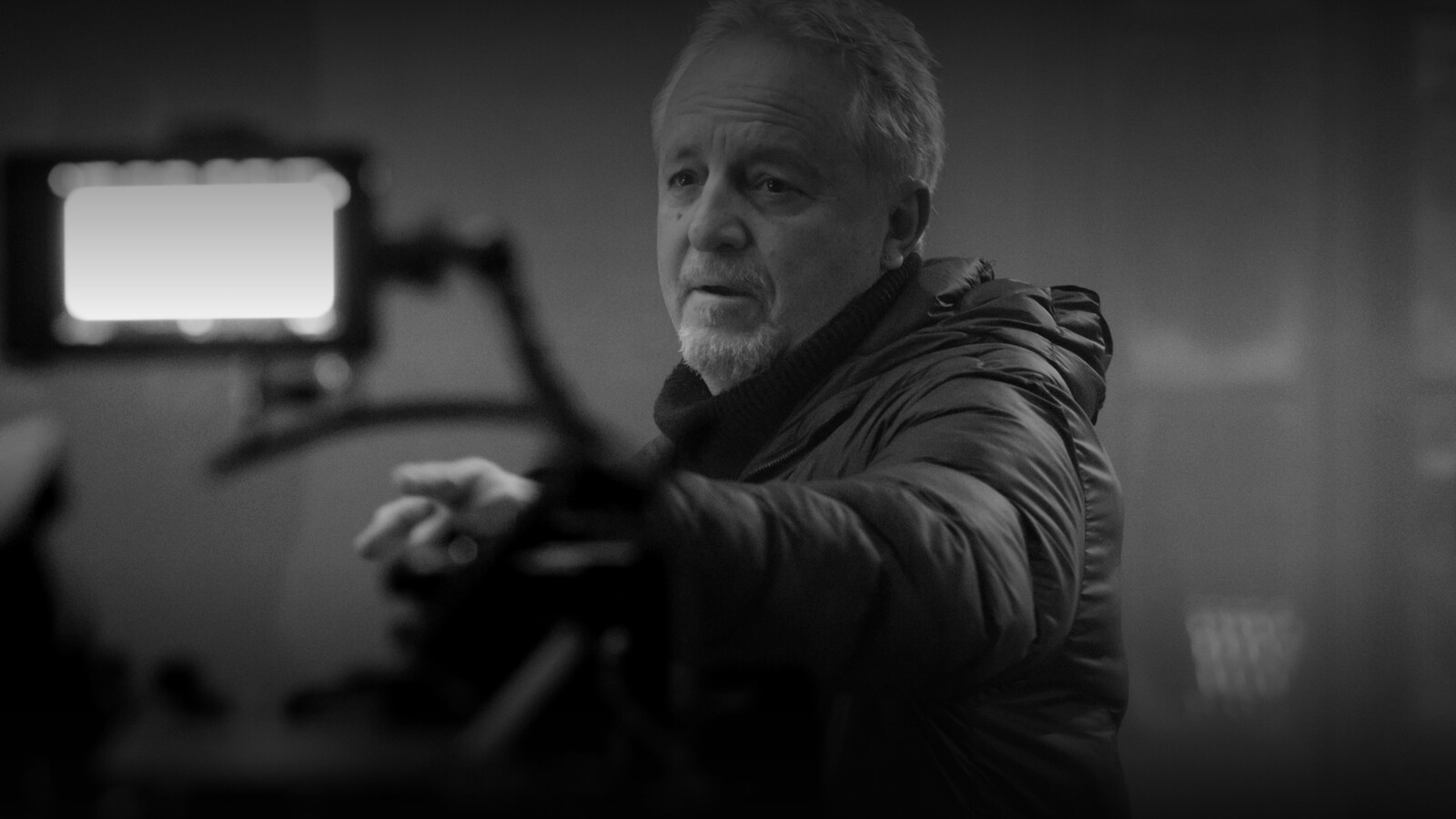
Negative space means loneliness, means fear. What is gonna come from the right side of the frame?
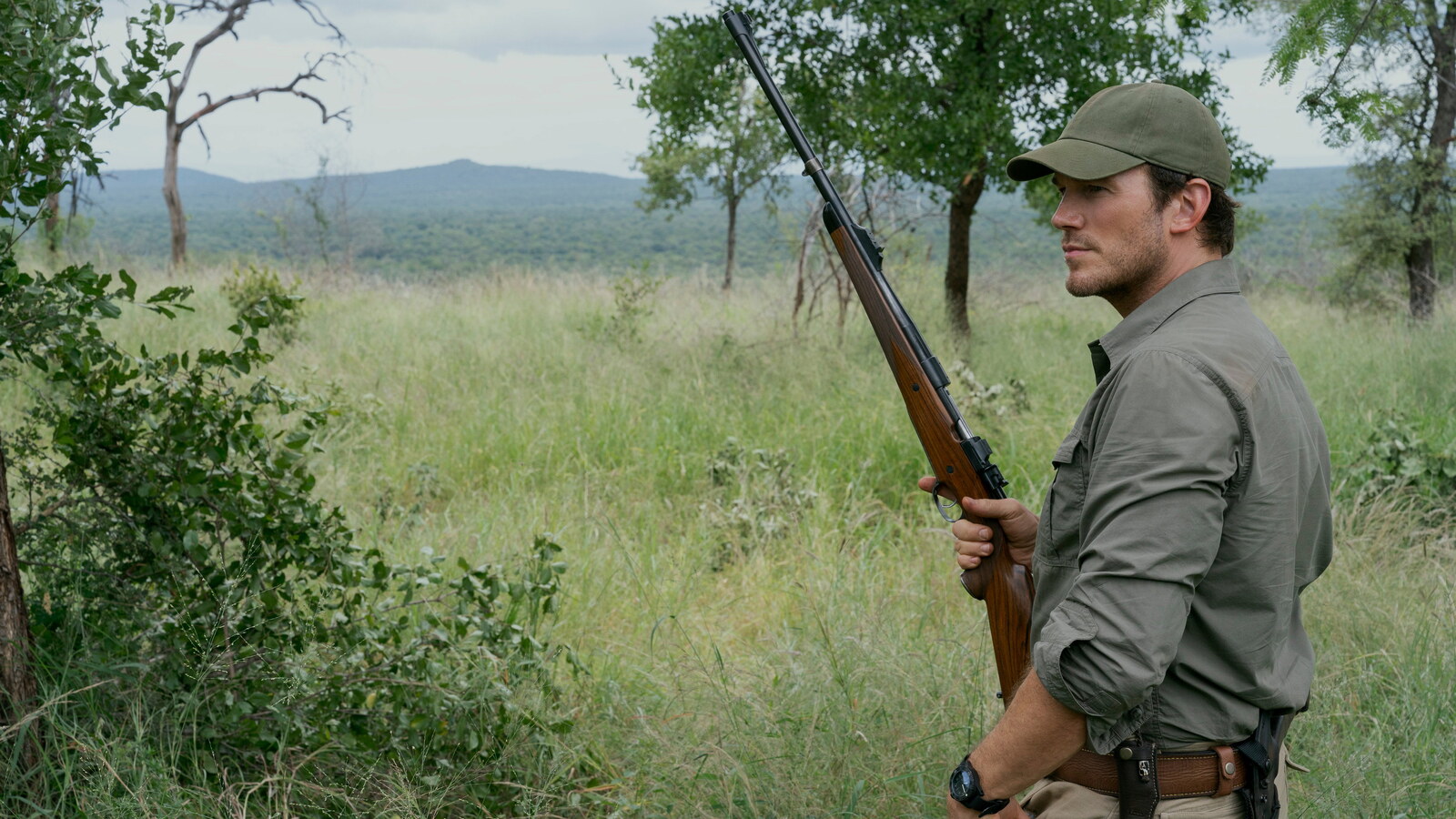
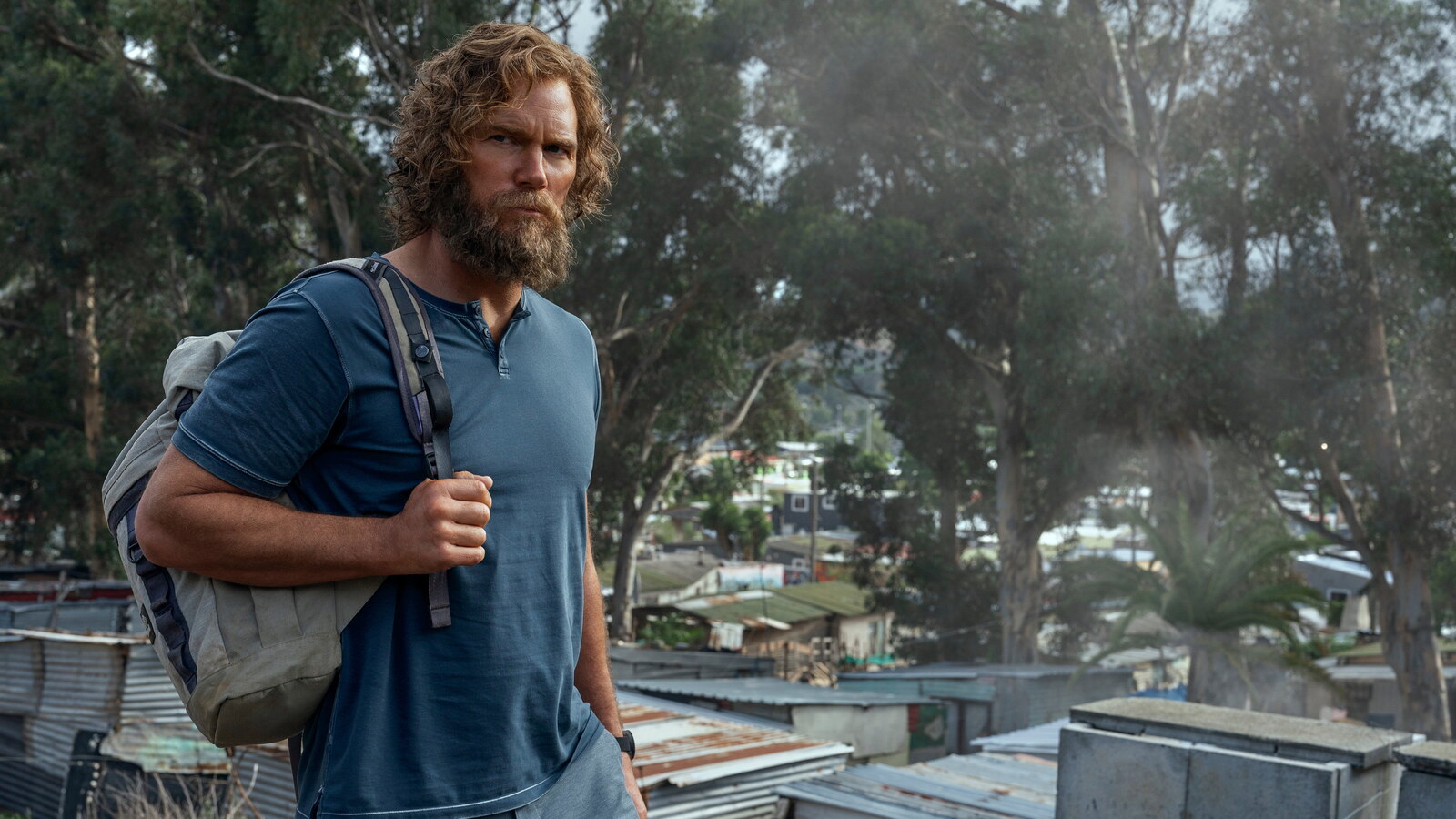
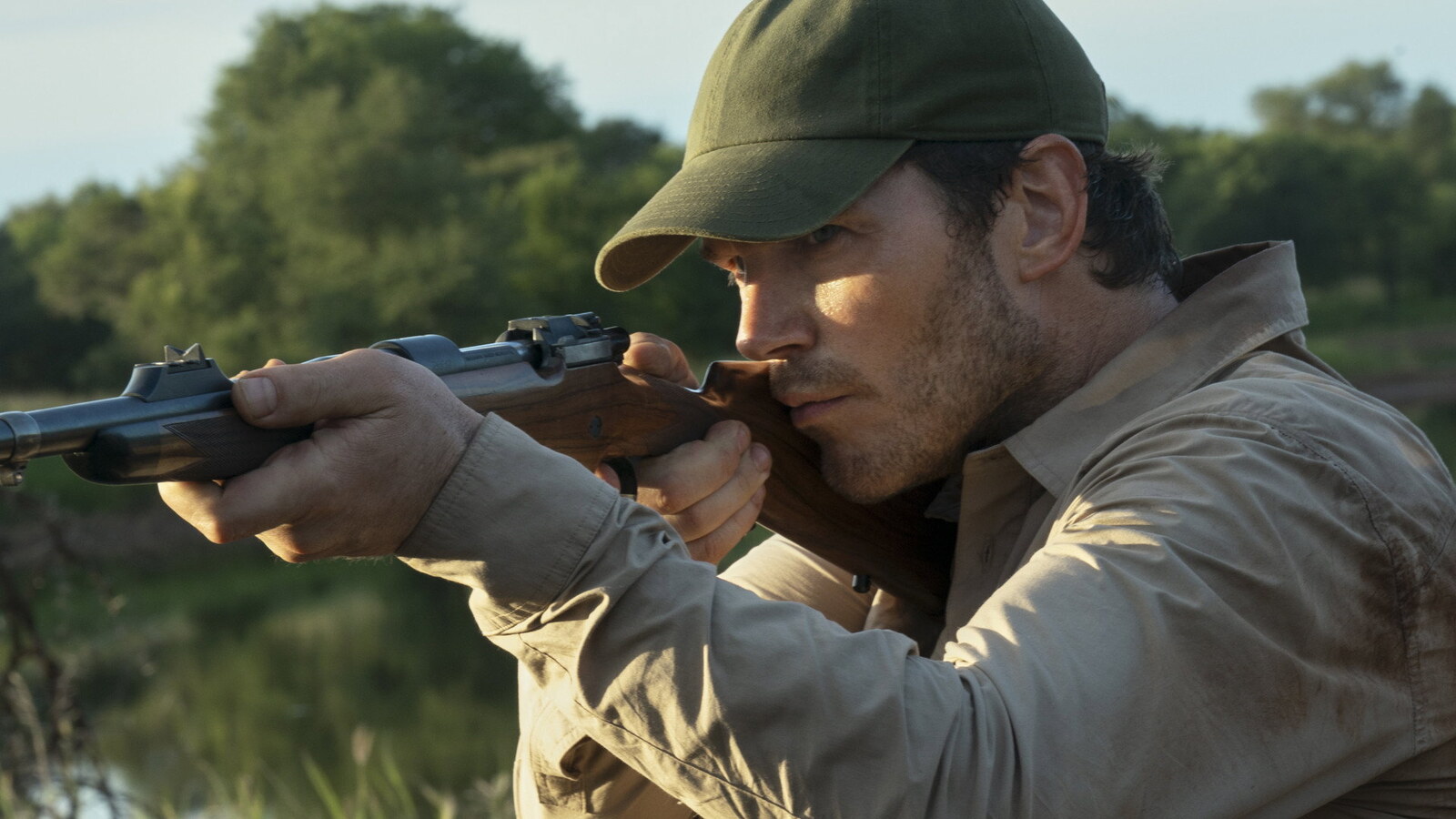
Director Paul Cameron, ASC brought Checco Varese, ASC onto the second season of The Terminal List to set its look and photograph its first two episodes. They move James Reece from a sailboat at sea to a hunting reserve in Mozambique, filmed in a game park near Kruger. The first season centered its characters when they felt something. Varese drifted to negative space on the right of the 2.39 frame. "Negative space means loneliness, means fear," he says. Reece, alone at sea, "needed to be powerless at some point."
Cameron, a cinematographer for decades before directing, wanted Reece's point of view in every sequence. At a lens day Varese set up with Keslow Camera in Toronto, they settled on Ancient Optics TAMASHII primes. The storm was staged on a gimbal under water cannons, with two of the three cameras on Technocranes. When a scene from South Africa had to be matched on a Toronto stage, someone "high up in the food chain" asked Varese how. "Properly," he says.
-
Checco Varese, ASC
-
Paul Cameron, ASC
-
Jared Levy
-
David Kruta
-
Topher Hammond
This episode is made possible by Fujifilm.

Read the full conversation
And so to start off, Paul, I wanted to start, with you and just kinda learn how the opportunity to shoot these episodes came to you, and what were your initial thoughts when it came across your desk? And I guess to tie that in when did you think about Checco being your DP for it?
So I'd previously done some episodes for Terminal List: Dark Wolf, which is kind of the prequel to the first season of Terminal List 1. And Dave DiGilio approached me early on as they were putting together season two, which was a bit of a delay for coming out of the gate. But I ended up jumping on with Dave and the gang. And it was just a fabulous opportunity to get the first two episodes to kick it off. And part of that responsibility is selecting a director of photography, and the first person that came to my mind was Checco. And I had tried to get Checco previously on Terminal List before and some other shows I was directing, and I've known Checco for a while, and always admired his work tremendously, and him as well professionally and personally. So it was just a great opportunity, and I asked Checco to come in and set the look for the show and shoot the first two episodes for me.
What made Checco for you the right choice?
Well, Checco is a warrior. That's kind of my number one, a warrior, warrior-esque. I need one of the other to kinda go into a battle like we had on Terminal List. And the first two episodes take place, one on a sailboat for the most part in Eastern Europe, and then the other takes place in a game park, up near Kruger in South Africa. So you need a, not only an incredibly talented director of photography, but somebody who shows incredible leadership skills and can handle international crews, and isn't afraid to walk through tick-filled fields and snakes at your feet, or get onto a sailboat, or grab a handheld camera at high seas with high winds and big swells. So predominantly Checco's, to me, is one of the most talented cinematographers out there in terms of his lighting and his composition and his body of work. So this was just a great...
It's not unique to you, 'cause it's your life, but in terms of compared to other directors with your background in camera, I would imagine that maybe there's, I don't know if discerning is the right word, but you're, you see things that I'm sure a director that wasn't a very accomplished cinematographer. So what do you think that difference gives you when you're making those assessments?
Well, first of all, I was a cinematographer for a few decades there, so as you said, I do have a point of view, and Checco can kind of speak to that. But quite honestly, for me it's really just a level of work that when you're doing a movie or a show of this nature, you're either connected to the story, you need to be connected to the story and the script and kind of the vision of the project. And in this case, of a television series, you need to be kind of connected to the overall vision and arc of the show. And there's more personalities with showrunners, and writers, and producers to deal with. So there's a lot of input, and it really takes a certain combination of people to kinda make that happen, and be able to go back at the end of the night and have a glass of wine, and laugh, and plan your next day, and get a few hours of sleep and jump back in the van at 3:00 in the morning and head for location. So that's a big one for me.
No, that makes sense. And for you, Checco, when Paul reached out, and explained what these two episodes had in terms of the challenges and what you were up against, what were your initial thoughts? And what did you find exciting and what did you find maybe a little nerve-wracking about the proposition?
Well, first of all, I grew up in film. Not that there is an age difference, but I started later because I was a documentary and a news cameraman before, so I started in my 30s. When I say grew up as a cameraman admiring Paul and admiring everything he has done. The adventure, the mental adventure of destroying the negative and trashing it to the ground and putting it back in the camera and giving it to the Deluxe or FotoKem or whoever he was and telling them, "This is what you get, and now make me proud." There is a level of... It reminds me of Leonardo da Vinci that used to get crushed little bugs and make the red perfect. So I don't know if Paul ever crushed bugs, but he crushed the neg like if it were a chinchilla. And Paul and I are friends...
It's a bit dark, but I love that.
Emotionally, spiritually, and socially. And then one day Paul told me, "Hey, listen, I have a project." "Yes, whatever it is I'll do it." It didn't matter. It could have been Time Show season 14, I will still do it, with all due respect for Time Show but very successful show. I read the script. We talked. Coincidentally, I just had finished, almost a year in South Africa, so I was very familiar with the landscape, the crew landscape, the equipment landscape. And it was a natural matrimony. Yes, of course. I'll marry you for the next four month. It's okay. And Paul and I both believe that sleep is overrated. And prep, it's never enough. Once you get to the set, hopefully I don't have anything else to do. I've done everything I could. And I think Paul comes from the same philosophy. And the one thing that I admire in we're in communion, Paul and I, is We're here, we're looking that way to my left, and the scene is there, but all of a sudden the cloud and the sun and the whatever leaves on the right, you basically, doesn't matter, you move the camera to the left and you put that background where it belong. And Paul is a magician in that and I learned... That was my film school. I never studied film. I am architect. So those four months with Terminal List was my master degrees in film that I never got.
Really?
Well, you passed, Checco. Flying Colors.
That's such an interesting comment because of your body of work and how long you've been in the field. What revelations were there from that for you?
We're both cinematographers. We both are members of the Academy and the ASC and et cetera, but we never work with cinematographers. It's like you're a neurosurgeon. You go to a conference and you chat, and you have a glass of wine, and you share everything you can. There is no jealousy among us mostly. But you're never actually on set why would you? So to me it was like sunrise every morning. It was "Yes, let's go. What am I gonna learn today?" It was amazing. Because Paul has this traditionally there is an obsession that I don't have. I come from a different world. I come from news and so you go to the documentary and the farmer will never sit against the door because he's cold. He will sit against the darkest place near the fireplace. And when you go there you manage to put your tripod case and your everything and your backpack where you think he's gonna sit, and you put this beautiful chair against the window, and he's freezing, but looks great. So Paul comes from the same world which is you put the sun behind the character. No matter what, there is 17 suns in this scene, yes, the audience will never know, and it's this shaft of light crossing and making it dark, and that's a dream come true. Yes, of course you put the sun wherever you want.
No, it's such a great thing to say 'cause I bring that up a lot, where it's like ironically, the last time you're really ever on a set with a DP is when though maybe the last time you were an AC or the last time you were a gaffer, depending on how you came up. And I actually, I still do drone work now just because it gets me on other people's sets, and I did drone work a little bit on Lioness, and I was on a set that you were operating, you were directing, Paul, it was like these are the moments that you can't...
Hopefully I was kind to you.
Yeah, you were. It was a long overnight in the...
I made Paul say, "Go lower, lower, lower."
Yeah, it was a long overnight...
Lower, faster, wider.
And it was absolutely freezing, and it was so cold that the heaters weren't working. It was a tough as nails night. But a lot to glean from it, and it's nice to hear that desire and the opportunity to be with another DP, that excitement for that opportunity just never goes away, no matter how accomplished you may be and how much experience you may have. So that's really nice to hear. And I guess...
Yeah listen, it's incredible, with Checco, I'm not gonna lie, I'm very super specific on the setups I want. I can kind of see the edit in my mind, and Checco, during prep, gives me a lot of great ideas that I incorporate in the plan. But it's the kind of tuning in when things are happening and adapting on our feet. And I'm in the middle of a great take and I'm watching the performance and stuff, and I just glance up and I see Checco looking at something. And I know what he wants. I know what he wants to do. I wanna do the... Then it's like I just nod and the camera moves closer and the lens changes a little bit and it's that thing of being in a band a bit. Let me just play this riff a little bit. Let me try this riff a little more. And it's that moving into the material, and that's the exciting thing for me.
Yeah, 'cause I could see... It's like if both people have the right mentality about it and the right approach about it, it's only additive and it's not oh, I have someone looking over my shoulder that knows how the sausage is made. You could say, no, I have someone looking over my shoulder who knows how the sausage is made. This is amazing. We're seeing the same thing that needs to be tweaked. After the first take or what have you. So yeah, I guess the fact that you guys were aligned in that friendship.
You're cooking and raise the bottle of olive oil, and you turn, and the person that is behind you nods, and you put a little bit more olive oil. And then you just...
Yeah, that's so nice.
You just add to the sauce or the pasta. But it's, I don't know, between Paul and I think there is 80 years of jail combined. The experience there, it's like we've been there, done that. And the trick is that Paul makes it fresh every day. And I try to make it fresh every day too. There is nothing more boring than saying to someone, "Oh, remember what we did last time? Yeah, let's do the same." I try to never do that. And Paul, of course, never does that. So it was fun. It was good.
And it's tough because we're a TV show, streaming show, which again, the bar you set so high for the material on streaming both in my world directorially, visually, every HOD across the board. It's almost so extreme right now that it's borderline unfair. You know what I mean? And I could only imagine doing a film with Checco is really my dream to do a film with Checco...
I'm available.
Because it's like to have for me to be in control with a couple of people and to really have the quiet and the solitude of the experience of making the movie together as opposed to a TV show. Which I'm not complaining. They're different. It's just a different dance. It's a different dance on a streaming set, which I have most of my experience on streaming as a director, so it's even crazier. I just wanted to back up a little bit too and say something about the experience of a cinematographer coming from documentary and news, the news world, and I'll say it's kind of learning about the world. And learning about one's position in the world and point of view in the world and bringing that to a craft is another kind of exceptional thing that Checco has. Is it great sometimes working with young DPs, but nothing beats this kind of experience, like Checco's talking about and it's just about...
I wanna also say that for whoever is listening, the finances are the finances, and those I don't manage and I don't care. But if you think of a streaming which is whatever, 50 minutes, 55, an hour, and you think of a movie that is two hours. A rushed movie is shot in eight weeks. Yeah? So eight weeks. Yeah, it's a number. It's a rushed movie. Oh, my God, we're shooting a page and a half a day. I can't believe it. In a streaming, if you're lucky you get 12 days, 13. So you're shooting a movie every week and a half. So that means...
Yeah, it's crazy.
Somebody like Paul that has been on set, that has been on the most dangerous parts of Mexico City with a camera by himself at 4:00 in the morning as a DP with getting the sunrise while the dogs are howling. As a director that has the vision and the experience to know exactly what he wants. Because the other problem is should we do this or that? Those are 15 seconds that you lost in the day. Those 15 seconds are never gonna get back to you. Those 15 seconds of that cloud, that wind, that hesitation. And I'm not saying we shouldn't think about it. We should just think about it in a fraction of a second. And because Paul has the experience, but also knows the script, knows the material, knows the character, has been inside the character, understands the arc, and understands editorially, oh, we don't need an establishing whatever. Establishing is a horrible word, but we don't need a wide shot of this. We just need to go into the closeup because drama is right here. So those 20 minutes for that establishing that we lost because they're never gonna make the edit. And also Paul has the authority. Authority. Paul has the responsibility and the chops to be able to tell the producer, showrunners, "We don't need this, thank you." Which comes only with four stars in the left shoulder and another four stars in the right shoulder. You can't say that if you have a star and a half.
And a couple of bruises, Checco.
Yeah, those are underneath. That's hidden by the clothing.
Yes, but that is invaluable. I remember when we were in the sailboat. It's like we need to shoot in what, three hours what happens in three weeks of storytelling? So we had a drone, we had a camera on a boat, we had a camera inside the sailboat, everybody vomiting inside the sailboat. "Okay, stop vomiting. Get out of there. Now the other thing, get out of there." That is managing a small army, attacking the hill full of enemies with a lot of prep and zero time.
I wanna get into the nitty-gritty of these episodes and talk about just from the prep side, how are you guys conversing about forming the look? And I know that it's a little different in TV because the look is somewhat established, especially this being a second season. But how do you still find your artistry in those confines, and how did you two formulate that together?
Well, Checco, go first on that.
First of all, I think when we talk about the look, it encompasses everything. It encompasses the music, it encompasses the editing, it encompasses the performance, it encompasses the character. And if you start dissecting the cinematography in this particular case, I personally couldn't care less of what they did before, with all due respect. I wanted to treat this as an original element with the root of a very strong show, with the root of the audience that respect the way they tell the stories, but also a difference. I made the same pasta but it tasted different. Because respecting the look means honoring the roots, but making it yourself. And in this case, we did exactly that. Paul had a very specific idea on how something should look. I brought in my background. We chose specific lenses, specific cameras. We chose specific camera moves, on prep, and those were maintained, so we honor the look. I remember several conversations we had with some other people that are not Paul and said, "What about this that we did that time?" And I said, "It worked great for that but it doesn't work for this one." We just honor it. We just respect it.
Do you have any detail? I'd be so curious to hear in more granular sense what was an approach or a visual thing they were doing that you pivoted on or added to? Anything come to mind with that question?
Okay, we shot it 239, meaning letterbox. And there was an element that they honor in the last, in the first season, which was when characters were feeling something, they were in the lingo of our profession, we call it center puck. You put it in the center of the frame. Which for that background and that set and that story four years ago, it worked. For our background and our set and our story five years later, four years later, it didn't. But with the usual respect for the heritage, we started center punch, and we drifted to a nice composition with some negative space to the right. Because negative space means loneliness, mean fear, what is gonna come from the right side of the frame, and that's where we were. This character is alone in the middle of nowhere by himself. If you center punch him, which is a bad word, but if you put him in the center of the frame, that gives him gravitas. That gives him power. And in my opinion, he was powerless because he had no sails, he had no whatever. He had no wife, no kid, no country, no nothing. He had no food. So why would you make him still a hero, but why you, would you make him in control? Powerful. So he needed to be powerless at some point. And the camera is like commas. Whoever is a writer, a camera is like commas and accents and exclamation marks. You cannot read without commas and accents and dots.
Well, it sounds great 'cause it's like we're...
My story's a little different. I'm gonna just...
Yeah, please jump in.
'cause my story is just a little different because the amazing thing is obviously the showrunners, everybody who we love, are very concerned about maintaining the look of the show, very concerned about this whole thing. And Checco was just so wonderfully diplomatic dealing with them and digging out kind of the look of the show. But he also builds like a very basic lookup table so people are kind of okay with it. And then as we start shooting, Checco digs into the look and colors and color, gets everything colored perfectly and it's just like that thing of like he's talking about adding a little bit of olive oil here and there. And it's like leaning into something, veering away from something and it... But it's all based on story, character, and emotion. And that's because I come from a different place. I always wanted a very set LUT. I wanted my LUTs perfect. I just wanna see exactly when I point at something. I want everybody to understand what's going on. And Checco's just "Hang on a second. I'm gonna go to the store. I don't even know what I'm... I don't know if I'm gonna get Greek olive oil or I'm gonna get Italian olive oil, but I'll get back to you."
Like in terms of on set color...
And then suddenly shows up. Yeah, on set color, he walked away at the end of the first day with a good direction on the show, and that's the direction you see that's up there now. And again we're not dealing with extreme looks, but it's this kind of emotional balancing that I found very good. But it was a great process. I enjoyed it. And as Checco said, even finding the lenses, Checco's brilliant. He knows I'm crazy about lenses, and he set up a day of looking at lenses in Toronto. Keslow Camera provided all these lenses. And go through. And of course these were lenses, the TAMASHII I hadn't seen before, and put it up. And he could see my reaction, his reaction. I could see his reaction, we knew what we were gonna do right there. We knew what... So it's this process of oh, no, the show was shot on Caldwell anamorphics, and we're gonna do that or whatever, whatever it was. Checco doesn't work that way, and it's really wonderful to kind of just see him go through the discovery process. And like you said, it's not... Is it a massive departure? No, but anything that's authentic, that you're adding emotionally to a project is A-okay in my book.
Well, with both of you, it sounds like you're leaning on your decision-making based on what's motivated, and it's like as long as it's motivated by the story then you have your sound reasoning. And I'm sure that you're handling a lot of political conversation with showrunners and things of that nature that's your ammunition for justifying any of this stuff, and the fact that it's all deeply rooted in the motivation of what's happening on the page, it's like that's your answer.
Yeah, and we also developed... Sorry, Checco. I was just very clear with Checco about this point of view thing that I wanted, like the experience of the character. I don't know if that's what you were gonna talk about Checco, but it's how to build these sequences with a point of view whether you're, with the character or showing the whatever it is and that's another... That was a departure and that Checco really built on too. Once I described that to him, then designing the camera moves were kind of seamless on his part.
Well, no, no, no.
Sorry.
One of the gifts that a director has it's blocking. You block a scene, and you see it as a cinematographer, and you go, "Ah," big sigh of relief because there is beautiful opportunities. And if you wanna do it in one shot, you can do it in one shot. If you wanna do it in 17 shots, you can do it in 17 shots. There are some other DGA members that there is no other answer than do it in 17 shots because everybody's looking at different direction and you have to cover everything, and then it's all about option. When, with Paul's experience and Paul's knowledge, and we got into that together very quickly. It's whose POV is... I remember the first day I went to Paul and whispered in his ear, because when you read the script, obviously this character is the one that has more lines, so the obvious answer is that his scene. But there is a subtext to that answer that only the director knows. And I asked Paul, "Whose scene is this?" Because maybe it's the silent person that is in the corner. And if you are watching a rehearsal, you say, "Okay, of course, we need to do all the shots on that person that is talking." But the question is who is listening? And that listening person is the audience, through the eyes or through the soul or through the ears of this other character. So maybe the most important shot is on the silent person in the corner, and that's where Paul comes with all his experience and instinct. Because experience, there's a lot of people that have done 40 years of respectful General Hospital, but that doesn't mean it's experience. Paul has done everything. And that experience brings it. And just to touch on one thing. You said, nuances. Oh, it's a scary moment, let's put blue light, and then I shoot myself. No, no, no. It's a scary moment, let's put warm, enveloping light, and then all of a sudden you open the closet and the monster is inside. That's where the scare comes. That's where the characters are. So subtlety, sensibilities, and nuances are more important by far than stereotypes. So there is a requirement that Paul certainly has and I have and I don't wanna speak for him, of irresponsibility. We are both responsibly irresponsible.
That's a good way of putting it.
I like that. What was I gonna say here? That I'm curious because normally, and you both have started to touch on it. Normally when I'm only speaking with the DP and I ask what is it like to work with that director in terms of the shot listing and the prep, and is it something where the director is making the shot list and then you converse about it or are you making it together? And it's so nice to have both of you here, 'cause I am curious about that script breakdown, figuring out coverage in your scenes. What was the dance that you two had in terms of the prep, and then also how... Describe the flexibility that you had on set as you were witnessing the actors do the blocking for the first time and realizing an idea you had is being tossed for something better. How did you guys shot list this together?
Paul, you go.
Oh, well, I'll jump in. Yeah, listen, I have my own process, right? And my process is to kind of visualize the whole sequence. And then put it on paper. Oftentimes I'll make an overhead thumbnail and I'll figure it all out from there in terms of my plan. But I think my experience was different on this with Checco was that again, it's like the locations are extreme. And we went to these locations, we spent time at them, and it's talking about light, it's talking about emotionally what's happening, and where is this how do we wanna see this character? And so the dance was like I could do my process, but also Checco could take me and turn me around and say, "Even though maybe the light isn't gonna be exactly what you want, this might tell the story better." And then sometimes I could turn him around and say, "This is the way I would really like to do this scene. I know it's not great for light, but what can we do timing wise?" Or... So it's this kind of weird dance that we had it, but it's also discovering locations was the massive thing for me. Like we had this experience where we were looking at a lodge, at the top of a mountain. Very remote place, right? And we both landed at this lodge after a three-hour drive from the hotel. There's some dirt down, dirt roads down, in safari vehicles, walking through tick-covered fields, whatever, like finally get to this place, kinda walking around and we know we're gonna shoot in this lodge. Like Checco and I know this is the place, and the production designer's there. We just know this is the place that James Reece is gonna go. He's coming here to face his death and become a warrior in the garden. This is the spot, right? So then we, we're like walking around. I walk out on these rocks. And Checco, he's shadowing me, following me, walking around there. We see the sequences immediately. We just look at each other and we know, okay, this is where the fire pit... We're gonna build a fire here. Forget this stupid scene over here. We're gonna... These characters are gonna be here. This is the geography. Jay Reece flies in this way. He lands over here. At the end when he says he's gonna die and the helicopter comes in he's gonna sit there, and then the helicopter's gonna come in from there. It's like two glances and he knows what I'm thinking and he's, "Well, what if it comes from here instead?" Okay, great. Or what if they sit and then we'll remove the fire pit. Okay, great. Fantastic. But it's that kinda coming together of the prep thing which Checco said, which is so hard on streaming because oftentimes you get limited access to a cinematographer. In this case, I hired a cinematographer who actually, while we were prepping in Canada, things were slowing down because the weather and they couldn't get locations, so Checco took it upon himself to pack his bags, leave his hotel, get on a plane himself, fly to Cape Town to get together, to get the crew together, make sure the gear gets there, and to start pre-scouting locations for me, on his own. So that's the kind of warrior aspect I'm talking about that takes on a whole new level of working together. We also, with Tomas, who we're not talking about a lot, but who's another brother of ours, Tomas Voth, the production designer, was part of the triad. And Sarah Buell, the assistant director. We worked like a movie together that way, so it's pretty... Sorry to ramble on about that but it was really fun.
No, it's great. It's great to hear.
There is nothing that gets you more, and I'm gonna use a phrase, bang for your buck, than a director and a DP with the production designer spending a night in this lodge by themselves with no one asking, "Where are we gonna shoot that?" The answer is "I don't know. And you know what? I won't know until tomorrow morning. Tomorrow morning I'll tell you something, and it may not be the final word, but if you don't... When the famous phrase from Michelangelo, "When are you gonna finish the Sistine Chapel?" "I'm gonna finish when I'm finished." It's... There is an art to it. And the art is to be in communion with your space with the environment, to absorb what the fabulous production designer has brought to your eyes and make it your own. And that can only happen... I'm a slow thinker, so that can only happen with time. And time is of essence. It's... And it doesn't mean we can go tomorrow morning and shoot something beautiful in a place we've never seen, but not the level of density in storytelling that we had. This story happens inside James Reece's heart. It's not outside. It's not exterior. Nothing happens, nothing happened for I don't know, 10 pages, but everything happened. And Paul is a magician to pull the rabbit out of the hat.
Yeah, that's the second episode, yeah.
I was gonna say that I keep hearing or thinking as you guys are talking that there's a level of openness to change, an openness to the surroundings to be guided by the parameters that's being set and making decisions therein. And that's an easy thing to say on the surface, but underneath that is you're pushing back against the forces that want quick answers, that want to know things yesterday, that politically are trying to get you to go a certain way for certain reasons that are going against the grain of what you guys wanna do artistically, and there's just a wealth of experience there for managing that stress as you are deeply trying to stay open. And I'm just curious how you both have cultivated that and continue to sharpen it.
Well, I'll jump in. From my experience with cinematar, it's like dealing with producers and kind of the physical landscape of the film and the budget is like playing cards. The more transparent you are and the more you show your cards and say, "Hey, I'll give you this let's take this whole world and I'll light this for this if the director's willing. And then it will save tons of money on everything if we can do this." And it's usually collaborative with the director. But in this case for me, again, it's like hitting the ground running with these type of... We're really talking a lot about episode two that takes place in the game park here, most of our conversations here. And that's the one that we were we really I think we feel very strongly about the work on. And again, it's very daunting when you arrive and in the case of streaming, you've got the showrunners, and producers, and people with you that wanna scout with you. They wanna give you about three and a half seconds between, I can talk to Checco and the production designer and AD for about three and a half seconds before they wanna know exactly what we're doing. And then the process is looking at all this stuff, and then of course, you get back to a hotel and a couple days you regroup, and then they come to you and say, and again, these are friends of mine and wonderful people, come to you and say, "Sorry, the lodge that you just... We're not doing it. It's too far." Okay, we wanna do the shootout, the big shootout, after he discovers the poachers, and that's great, but can you do it closer to the hotel? And so suddenly the world starts to close in and I'll say, and Checco can you back me, is I just don't stand down. I'm, "What do we have to do to make this happen? What do we trade off to make this happen?" And I don't know, Checco, I think I didn't lose... Did I lose any locations on this one? They wanted to blow the entire thing up because of the travel time. And I think we stayed at 95%.
So we picked 110 locations, or it is a metaphor, it's not a number. We picked 110 locations. We look at each other, we knew that the last 15 we could care less. And you just say, "Okay, listen, I understand. You guys are great at what you do. We love you." "Thank you so much for making it, seeing the light. These last five locations, we're not gonna shoot them." Locations we never wanted to shoot to begin with.
There's a strategy to it.
You have your four aces and you drop your whatever, three card and say, "Okay, you can have that." But that comes with years of experience, self-esteem, a political wisdom that it's beyond. Paul and I think we could be prime ministers of any small island before being VPs.
Why don't we do a large island? We should do it, Checco. Yeah. We should. We should. You like it? Yeah. Let's go for it.
Well, 'cause I was gonna say that I think it's very easy to think that the success for a director or a DP on a project is the way something looks or the performances that you got out of the actors, and that is certainly part of the success. But also, it's things that people would never even know that beautiful scene that happened that was lit beautifully and acted beautifully, it wasn't even supposed to happen in that location. Really, the mastery of your craft was that you convinced a room full of people saying no to finally say yes to shooting there. And that's not even something that a critic or an audience member... They can't even appreciate that part of the success of that scene, 'cause they don't even know that that's, that it wasn't supposed to happen there at all. But you figured out how to rob Peter to pay Paul to make sure that you could go there because of whatever. That's the aspects of the job that aren't even... Those aren't gonna be the things that are celebrated if you get an accolade for your work on that episode. Those are the things that are fallen on deaf ears. No one knows that you even achieved that aspect of it.
No. Not only that but it's the other experience that I didn't anticipate directing streaming is kind of the... And I've had great luck with these guys on Terminal List in terms of handing in a director's cut. They've been very respectful of the director's cuts. But ultimately, when it goes through the layers of the feedback from the streaming, like in this particular case, episode one, two-thirds of the episode was supposed to take place on a sailboat. And he's alone, and he's having these conflations and a lot, a lot's going on psychologically. And for me, one of the most satisfying things in the whole experience is when you deliver the director's cut, and in this case, the showrunners and the writers look at it, and the feedback you get from them, you realize, "I shot," or "We made this story. We delivered this story on a level they didn't expect." And then unfortunately it goes through the... And in this particular case, episode one is so different than anything that Checco and I set out to do. It ended up being, kind of I don't... Taken apart, we'll say, and put back together again because of concerns of the overall arc of the story or whatever the... I believe Amazon had. Episode two is pretty much intact, but it's still... And the reason I'm talking about it, it's kind of in the process of shooting this stuff and building these scenes with a character is like you're... It's like getting filled up emotionally, right? So that at the end you kinda distill it all, and I push out what I think is very close to everything the story is about and what I was asked to do. And then again, even in episode two, it's a different version of what we set out to do. But it is very close and... But I'm really talking about it in terms of a holistic thing of the experience of kind of putting these shows together where you in this case, a lot of what we're talking about is really putting ourselves into it on such a level that we're really trying to... We're not just there to take the money and run. We're giving ourselves a thousand, 500% on every day, on every shot because we care about it, and we ultimately really respect what we do and storytelling and crafts, all crafts across the board in filmmaking. And again, I just feel like these guys really gave me a good opportunity, and it was great to meet, and finally work, not meet, but work with Checco.
Also, I wanted to touch very briefly on two elements that for me was and usually are very important, there is a religious thing about making it real because we are portraying a Special Forces SEAL team, and they have a way to do things that are lethal, safe for the members of the team but ultimately not really cinematic sometimes. There is a very delicate balance because in the movies 10 years ago you clear a room by kicking the door, throwing a bomb, and now they don't kick the door. They pick lock the door. That takes five minutes very silently. Okay, that's the way you do it. I'm not sure I wanna watch that for 55 minutes. So the delicacy which Paul addressed those elements... And me having been a news cameraman and a war correspondent, I have a level of confidence in telling them, yes, but in this case we could just do only this instead of all this, because it's like a Lego bricking. As an audience, you wanna see the little Godzilla being... But you don't wanna be watching Godzilla being built. So there is a little bit of that. And the other thing is Chris Pratt, and I'll let you, Paul, talk about that. But the pleasure of working with someone that is open to suggestions, that is always on that does things that I haven't seen any other actor do and I've done this for a long time, and he does it with poignant but at the same time gentle to the crew and to all of us. And I'll let you, Paul, elaborate on that. But that was it. The, those were the two things that I think to me was fascinating, to be part of.
Well, Chris is God, he's certainly an amazing actor, I feel, in so many ways. His potential in the future is just insane. I could... Working with him, I could really feel this certain energy about him that hasn't even been explored in all the amazing acting that he's done. So it was so exciting to work with him. But it's whether it's how sets can be and relationships with people. They know each other, and it's hot, and we're there for a long time. And then people get distracted. But Chris, I could just kind of whisper in his ear and kinda get him, drop him down into a place very quickly to get a take out of him, which was quite an amazing experience. And then it's also whether... And it's both Checco and I, like designing it with a camera operator. We're gonna make this move. We're gonna drag the shot around here. Keep your eye line on this corner of the matte box, drift over to this corner, and just look down one and a half inches there. And Checco is very like I am, very specific about eye lines and where... Some actors don't want marks. They don't wanna be told what to do. They don't want, "Don't tell me where to fucking look," or whatever. But the reality is with working with a guy like Chris is he understands the importance of every moment in including doing a little stunt or something like that. I just was reflecting on something I put on Instagram. It was like I had this shot of him where he jumps over the camera into some water, which we did in a rock quarry at night, right? So he's basically just hurling himself off of some scaffolding into dark water on a freezing cold, windy night in South Africa, right? Wearing a rain jacket and boots and clothes and everything, right? But he understands, I tell him in the moment, "I'm gonna use the 36 frames, 24 of which are right before you hit the water, and the other 12 frames are as you're getting sucked into the Indian Ocean." And he'll do a take, and then jump out of the water, cold, run over to the monitor, look to see where his eyes are as he's falling back into the water in the 36 frames I'm gonna use. And that's also with Checco's experience, too, is like we know what's gonna get used for the most part. And we know oftentimes the cinematographers, Checco can talk about this, which is brilliant. As a cinematographer, oftentimes you're on the front line all the time, and actors are looking at you in terms of was that a good take, bad take? You're the first eyes on them many times. And I think what Checco knows too is we always have a battery operated monitor right next to what's happening. So both he and I are right there, and so actors are they're looking at us, "Hey, is it good for you? Good for... But Checco, what's wrong?" He just didn't look soon enough. And I'm, "What do you mean you didn't look soon... Okay, let's go again. Chris, let's go. Chris, just a beat earlier, look left to right at the end of the when you turn your head." And then you do a take and you see it in dailies. Okay, it sounds like we're over-managing this or whatever, but again, it's like we... When you know where the edit's gonna be and you know where the viewer's gonna be that is to me always as a cinematographer, one of the most important things in the world. Like again, I know like all the stuff that people want to shoot and all that I know what the edit's gonna be. And as a director, now I can do it myself and go in and edit, but it's also Checco knows where to edit. He's got the experience too. He knows where the edit's gonna be. So once we all key in on a moment, we go after that those frames. Frame by frame, the emotional kind of which is great.
It's that thing where if an actor's coming into it and they're coming from a theatrical sense or something, it's like you have to realize there, nothing else matters besides what's in the frame. 'Cause what's right outside of frame, even if it's an inch out, it might as well be a mile 'cause it's not in the movie. And likewise if it's a frame outside of the edit, it doesn't matter. So the people that really understand that and it sounds like Chris fully understands that. And you were speaking about the boat. And we spent a lot of time talking about episode two, and I wanted to touch on episode one a little bit before our time is up of those boat sequences are a very specific type of challenge. And I'm thinking particularly the storm that happens on the boat, and I'm assuming that there's a lot of VFX involved and the relationship with the camera angle changing and the boat dynamics, and the different coverage that you needed. And there's a lot of physical elements going on. And it just seems like so much to wrap your head around. I'm curious, how did you guys prepare for that? How did you keep track of it all? What was that experience like? 'Cause that seems like a very unique and specific challenge.
The first thing you need to do is get a raincoat. It's gonna be wet. It's gonna be cold. It's gonna be uncomfortable, and you have to have two pair of socks at least. That's the first thing. Fortunately, Paul and I have done this kind of effect before. So there is a boat in the middle of a blue screen or green screen, whatever it is. But the beauty of this is because of prepping very well, Paul shot everything that belonged to the real boat, to the real sailboat before. So in his head, we had everything that we needed right up to that moment that of course, you cannot shoot in the Atlantic Ocean with a storm because it's not really what the DGA wants you to do. Once you get into this gimbal and the boat and the water cannons and this, yes, there is 10% of creativity but it's 90% of me being stubborn and doing little boats in a floor plan with little Beer bottle cans simulating, or sorry, water bottle cans, not beer. Simulating water cannons. And so the first three days we're gonna be here, the water cannons are not gonna be there. The next two days we're gonna be here. And you become... A DP friend of mine used to say, at some point in your life you stop being an artist and you're a general of a small army. You're the logistics general. Not even the guy that says where to go. You're just the sergeant in charge of how many gallons of fuel you need to do this. And thank God Paul has some experience. I'd done it before, and we knew exactly what we needed. And it's very time-consuming if you don't do it right. But we, I think we did it right, and we had three cameras on two on Technocranes, one on a wet suit of some sort. And we were "Okay, let's do one more take with this camera here, and that shot is not perfect, but the first 17 frames are brilliant." Once you know that in your head. And it takes very little. It's a lot of effort, financial and emotional and personal effort, but the beauty of it is at the end of the day you know you have the 2,428 frames you need. And it's very hard. Do we need a sail? Yes, we need a sail, but not for these 17 shots, so we need a sail tomorrow. Are you sure? Yes, I'm sure. Don't worry about it. Trust me. It's either Paul or me saying, "No." "Block the sail. I don't want a sail." It's gonna create a shadow. It's horrible. I'm never gonna see it. Yes. But it's gonna take a long time to put it up. Great. Do it at wrap.
Put it up.
Later. I don't know. I'll help you. But it's very technical.
Well, listen, I think the other thing is the amount of prep again, since we kind of had this experience. You break it down on a board what's practical, what's gonna be blue screen. And then you talk about all the effects like he's saying. And for us, I think the challenge was we had great people on the show, but it's also we had people that were challenged by that experience on some level 'cause they hadn't done it before. So it made it a little more of a challenge for us. But we pulled it off. And of course all the prep time that we asked for got reduced to no prep time. And all the shoot time that we were required, we... They cut the shoot time in half. And there were other sequences, leading up to the storm that aren't in the final cut that you see, which is unfortunate because we spent half of our time shooting those and not focusing on other parts if we had known that wouldn't be in the edit of the final. But I think the other thing is for me, is again, working with Chris, you're "Dude, for the next two days we're gonna blast water cannons in your face for hours and hours, wind machines, and we're on a gimbal. And you're gonna have to go to the front of the boat, and you're gonna take the sail down, and you have to fly this other sail." And just kind of the physical, and then we had to add safety lines, so when he was running, the safety line goes across the boat so he doesn't get tangled. And of course then you're blasting him and we fill his eyes with water so he can't see, so we gotta take a break. And then we do something and then he slips, and we're all "What?" So it's this... It's pretty amazing to go through an experience like that. And again, having... And I think it's also just Checco and I just knowing okay, we just weren't gonna beat up something that wasn't right or unsafe. But we knew when we had it and we knew when something was worth it or not and we were "Okay, we're just not gonna do that again. There's no way we're gonna do that again. That was too much." Or something unexpected happened. And then we also had a set that was in a tank, for the interior of the boat, which was great, except that when you were in the set, when there was no oxygen whatsoever. But it's basically taking the interior set and dropping it in a tank which we built, on stage where it fills up with water and basically gets almost waist high with Chris, and you're in there with cameras and stuff. So there were a lot of challenges in that.
And also I think when that... It's great to hear you guys recap it all. I just...
No. No, one last thought is with leaning on Paul's experience and by Severo on my experience, we shot a shot of him raising the whatever, the main or... I learned more about sailboats in this movie than in my life. Raising the main, and we did that in South Africa.
Storm sail.
We did that in South Africa with the sun, and the sun was there, and the boat move, and the camera moves, so you have three things moving. So now we need to redo it in Toronto on a stage with the sun moving. And somebody came to me high up in the food chain and said, "How are you gonna match it?" And I turn around, I said, "Properly." I'm gonna match it. The sun was there, the camera was here, the boat moves, so that light goes there, and it's not such a big deal. But for some people, it's magic, and that's the beauty of a cinematographer. And this, I know it's only audio, but if you were to look at me, I'm turning around and hiding what I'm doing, and turn around and said, "Yes, plant the seed in the Nile because the Nile is gonna swell, and they, and there are gonna be seeds there, and there you're gonna harvest all the sorghum you want for the rest of the year." I only know that. Nobody else does. And Paul knows that because he's been in my shoes. And it's great when you see the sorghum growing or the grain growing because you were right that the Nile will flood and flood the fields. But it's like the Egyptian pharaohs. You have this power that nobody have.
Yeah, that's how I'm gonna think of us from moving forward, us DPs, we're Egyptian pharaohs. My last question that I always ask on every episode to everybody is what do you think was the hardest day on set, both physically and mentally, and those don't have to be the same day, and how'd you deal with it?
I can go very quickly and say that the last day because I would say goodbye to dear friend. Everything else sunsets on it.
That's good.
Yeah, I like that.
Yeah. No, it's well put, Checco. Physically there we had so many days and so much weather challenges in South Africa even in the game parks. But I think what's different directing for me now is like remembering a couple days with Chris where you basically, you're taking him to a place emotionally and then all of a sudden it's like you got five, and the crew, everybody's looking at their watch like you got five minutes, it's the end of the day. And then you finish a day and you look at an actor like that and they're walking away and I always wonder what they're... Where are they going? What are they feeling at the end of this day? And the responsibility about that. But the... We had a lot of very challenging days, but again, we all got back in the car and we went back to the hotel and we traditionally have a glass of wine and talk about the next day and that's the amazing thing. And that's, it's the... And this feeling I guess I have with Checco now is I know we're gonna be on a set soon together. I don't know what it is but we're gonna have that glass of wine on a set very soon on another project I hope.
Of course. As I say, whenever you want, whatever it is.
Well, that's a wonderful place to end. This was the first conversation on this run of the podcast where we had the director and DP together, and I was looking forward to this convo between the two of you, and I learned a lot from it, so thank you both for sharing.
Well, thank you, Jer. Thanks for the opportunity and Thank you so much nice to see you, my friend Checco.
We'll see each other before in a glass of wine or in a set Thank you.
The work stays free. Someone still pays for it.
Every episode, every article, and both of the Resources tools are free to use. No paywall, no membership fee, no login. That is not a growth tactic, it is the whole point: learning to light a scene should not depend on what you can afford.
Sponsors cover part of it. The rest is people chipping in.
Monthly or yearly, from $5 a month, less than the price of a coffee. It costs real money to keep the podcast, the writing, and the tools running, and supporting is what covers it.