
Giorgio Scali, ASC: Light and Darkness in the Halls of Power on The Diplomat
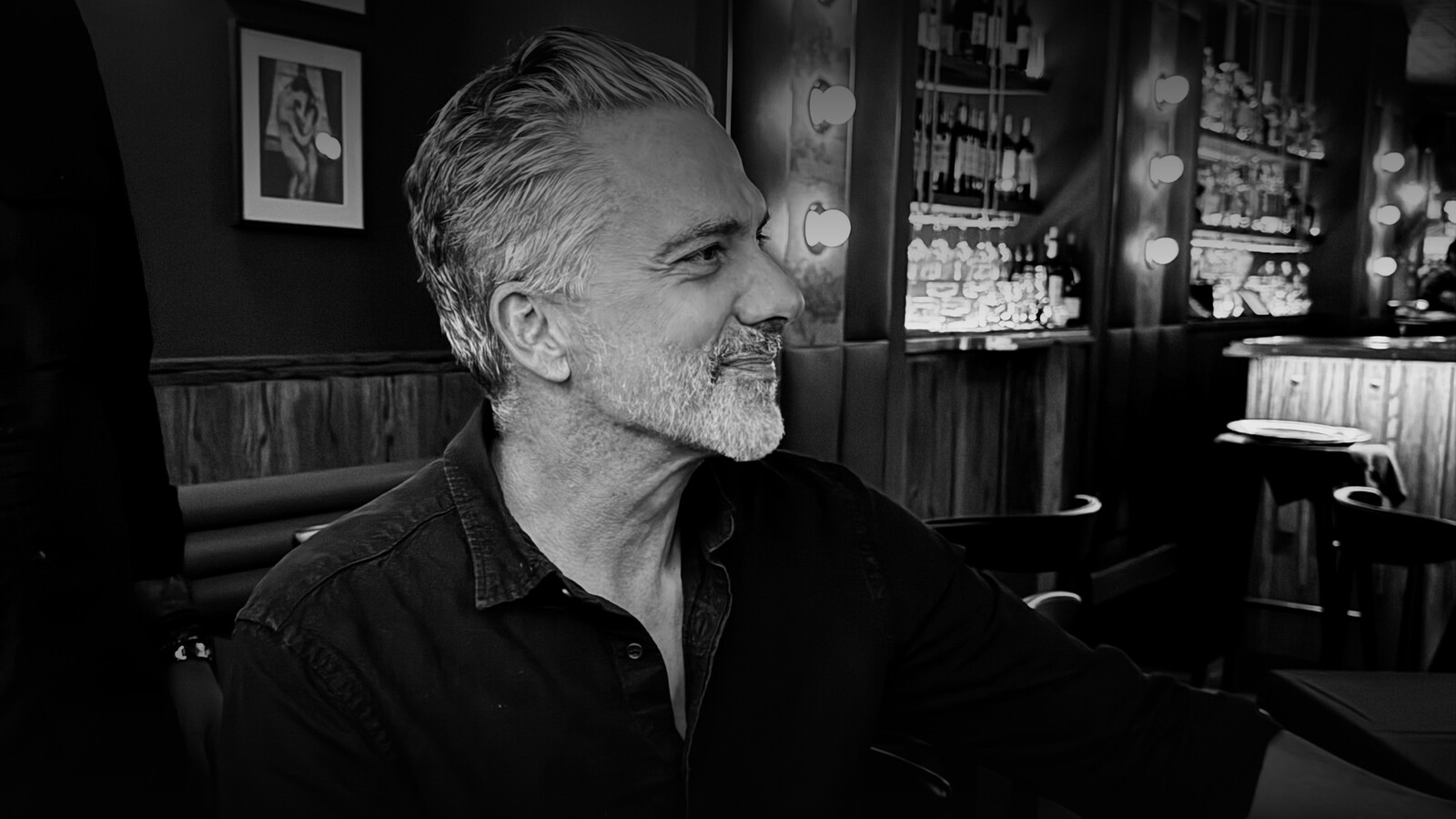
Sometimes you get thrown a location that you don't have any control over. It's not like you're gonna go rewire a ship floating in the ocean.
Giorgio Scali, ASC had worked with Debora Cahn and Alex Graves on Homeland, and when The Diplomat moved to New York for its third season they called him. He is credited on four episodes of that season. Three are shared with Julian Court, who shot the England scenes, and Scali lit the New York work to match, with more fill than he would use by habit. The sixth episode, "Amagansett," is his alone. He asked Cahn if he could shoot it on K35 lenses, which the show had never used. "Do you think it'll look cool?" she asked, and then told him to do it.
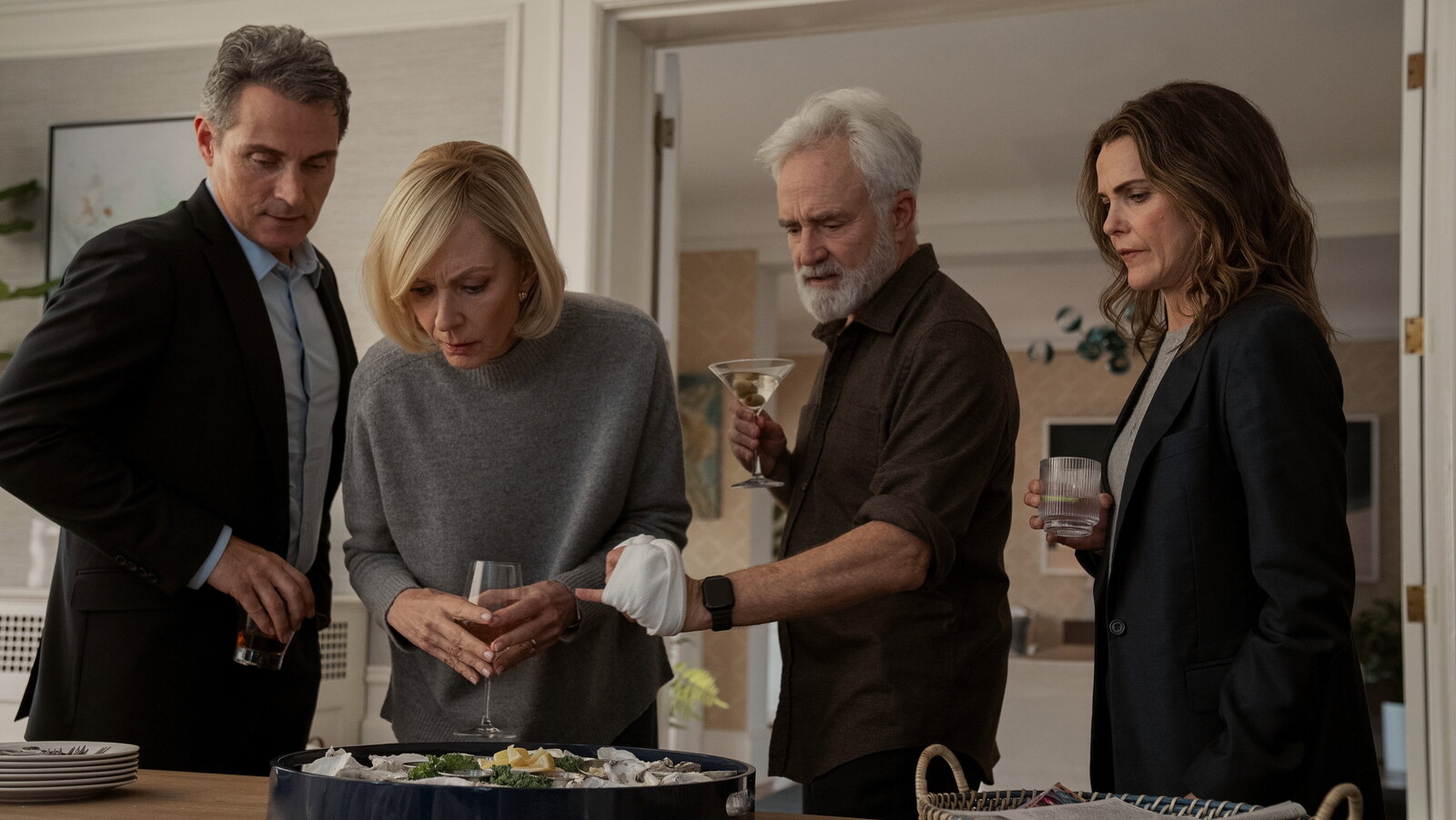
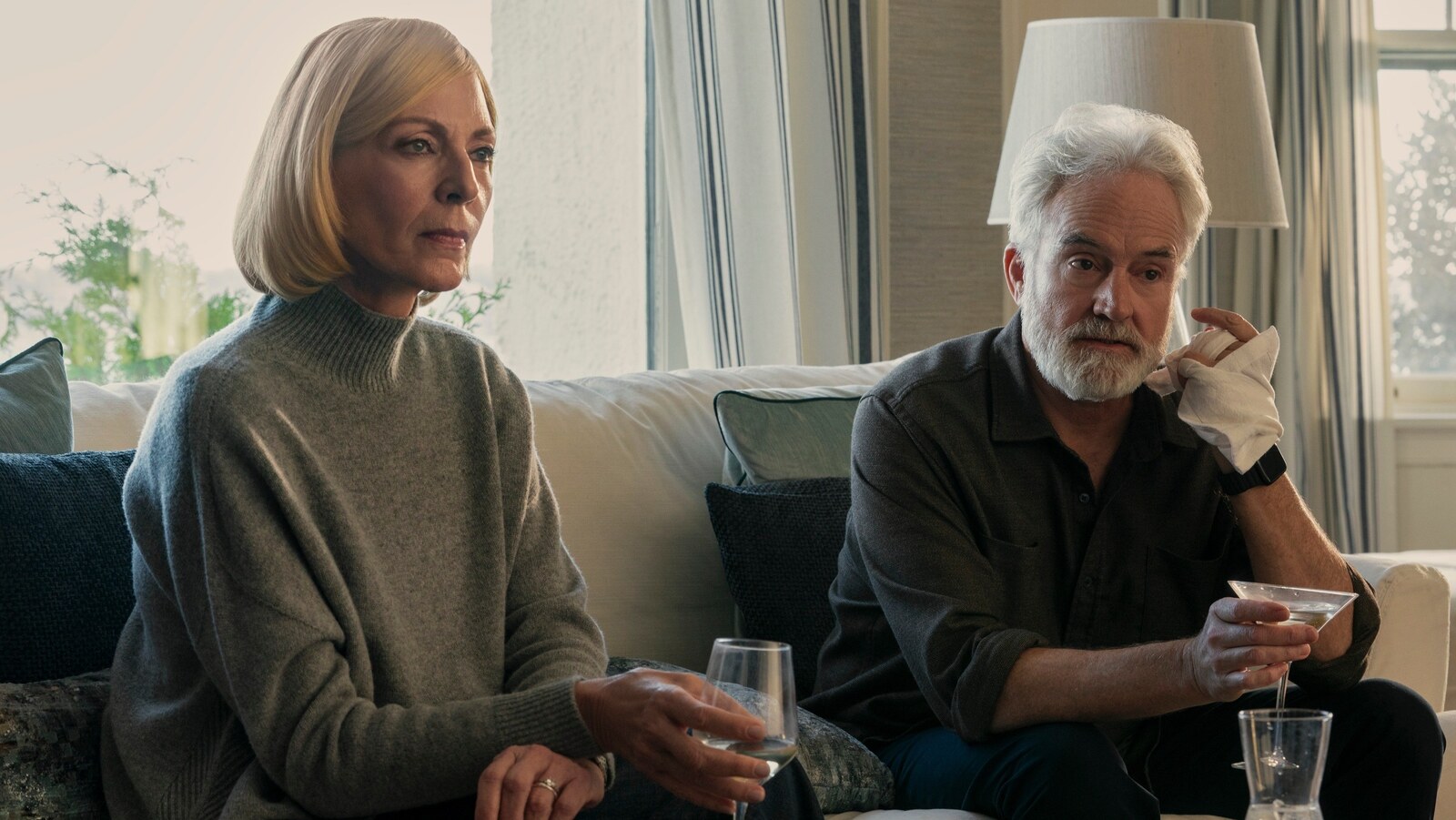
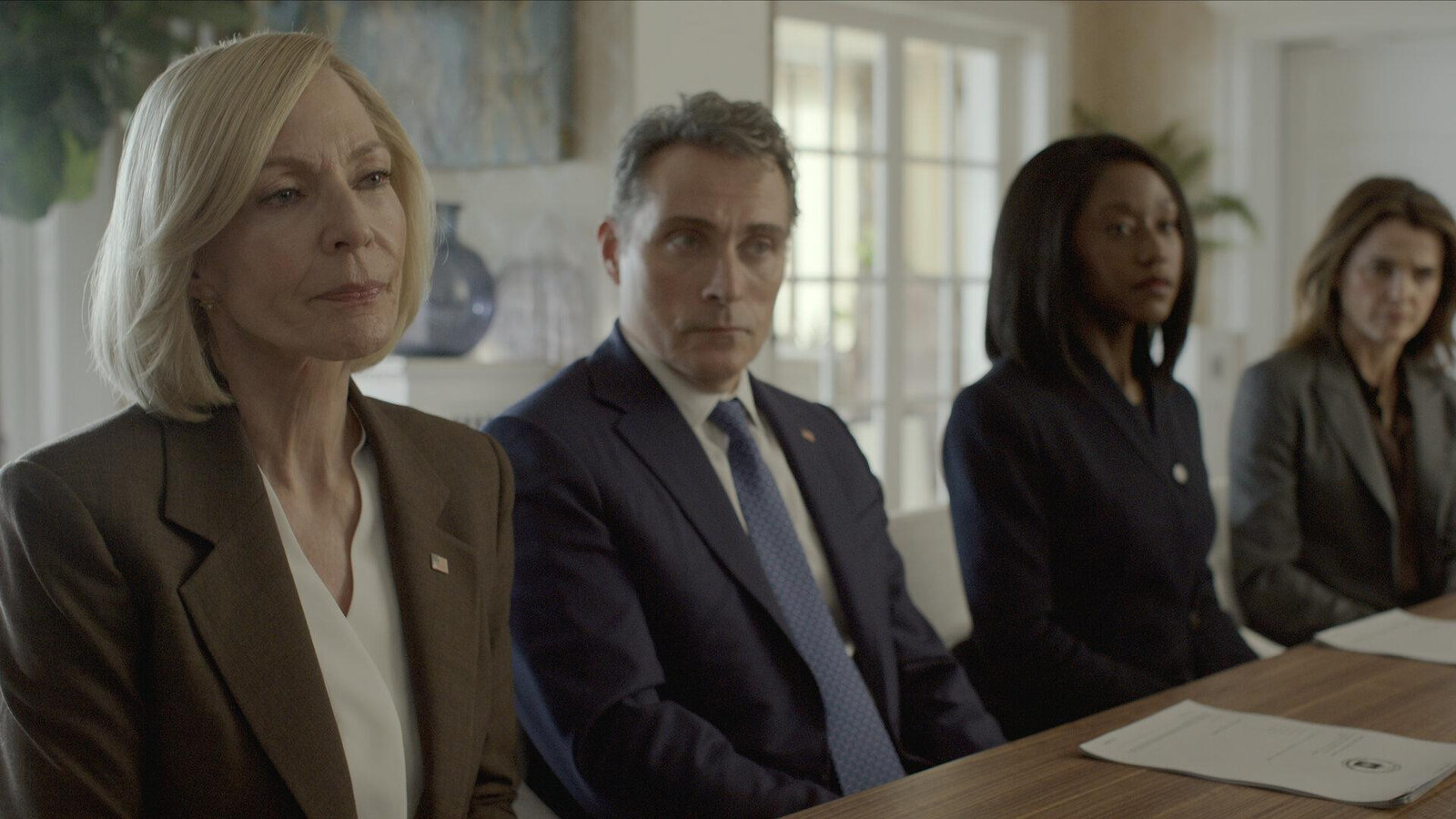
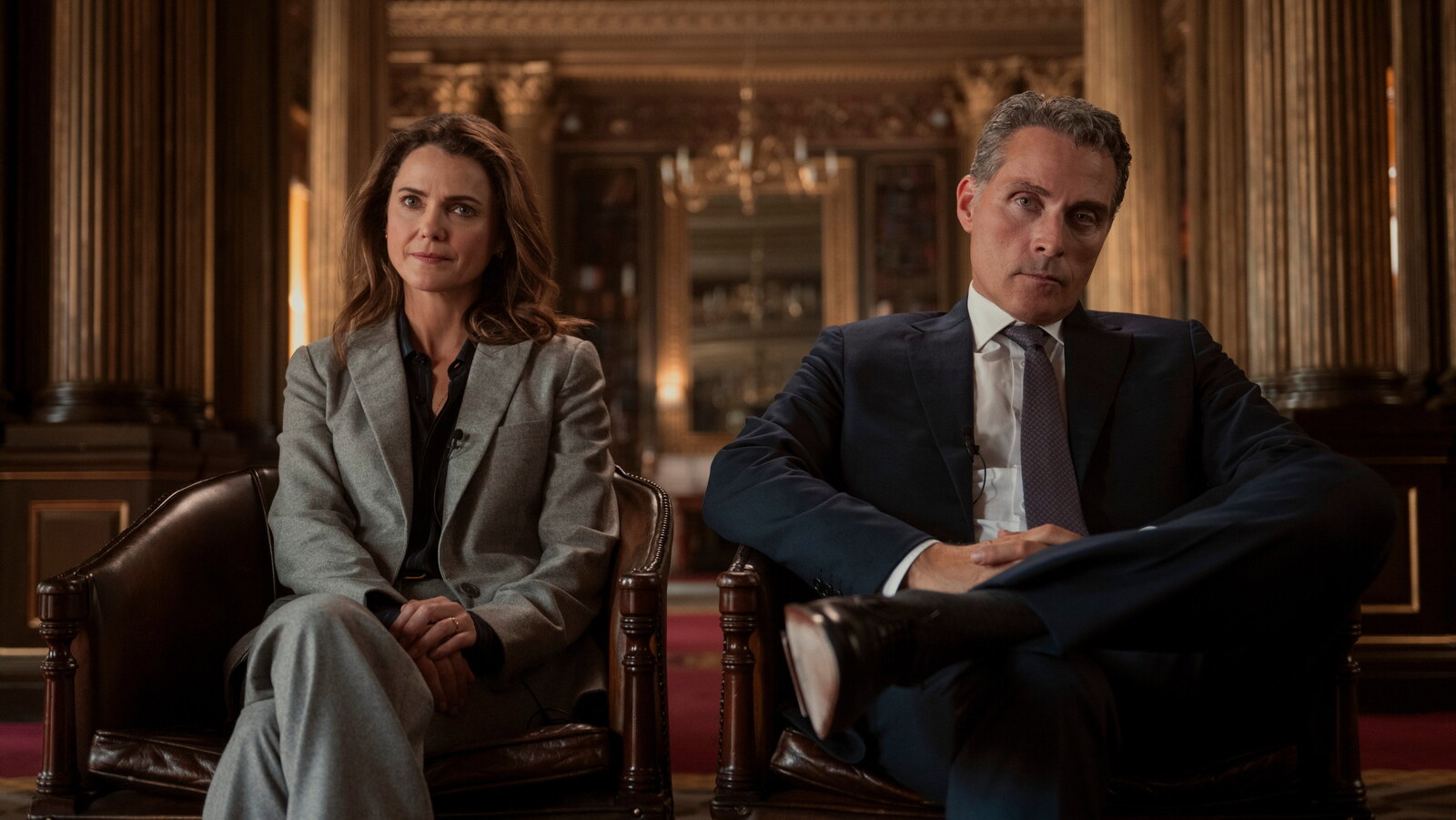
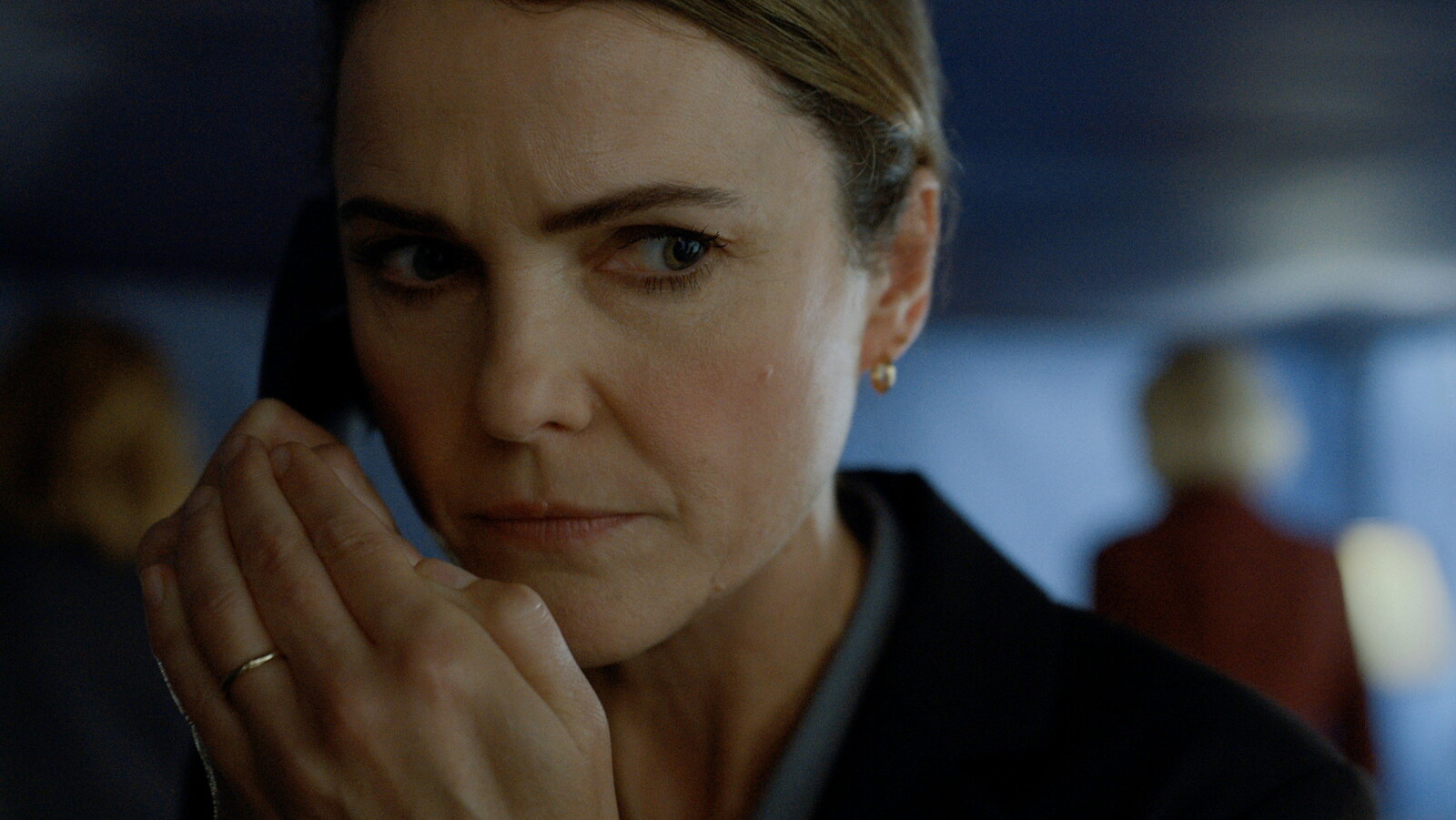
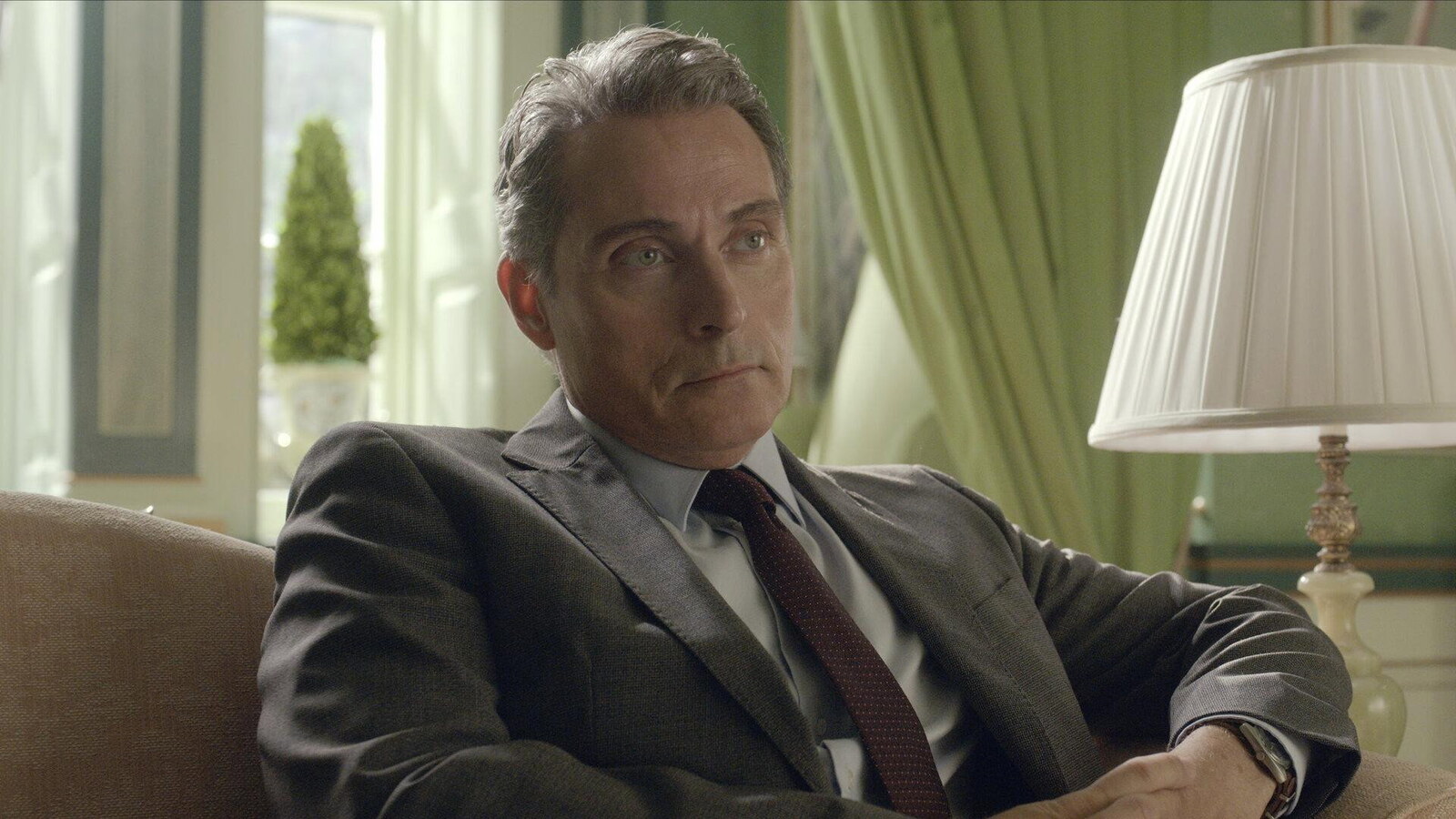
Most of his conversation with host Jared Levy is about Season 4, where Cahn wanted the picture to turn darker after a shooting early in the season. Scali filmed that sequence with a 90-degree shutter, passages at six frames per second, and bellows and tilt lenses from ARRI that leave the corners of the frame soft. A 13-page scene for Keri Russell and Rufus Sewell was rehearsed the day before and blocked between cold window light and warm chandeliers. For the president's study, Cahn's reference was The Godfather. On a training ship whose overhead fixtures were either all on or all off, his gaffer cut neutral density and blackout covers for them one by one. "Shutting off lights is more important than adding lights," he says.
-
Giorgio Scali, ASC
-
Jared Levy
-
David Kruta
-
Topher Hammond
Read the full conversation
All right. So first off, thanks for sitting down and chatting with me. I have always been a fan of the show, so it was exciting to chat with someone that was taking part of this new season. And I was curious how the project initially came to you and how you found the opportunity
It came to me, you know, I've worked with Debora Cahn and Alex Graves, who's the directing producer, and Tucker Gates, who's one of the other directors. We all worked together on Homeland, for a number of years. And Deb and I were actually, you know, we became friends on Homeland. I worked on the last season on some of her episodes. We were in Morocco together for a while. So when the show started in London, I was talking to them, but it wasn't a thing where Netflix was even interested in bringing me over to do it or anything. You know, there were plenty of good DPs in London available and stuff. And then when season three, when they decided to move the show to New York, I started getting some emails from Alex and from Debora about, you know, "What are you doing in September? Don't take anything. We might be moving the show to New York." And I was like, "What?" So, you know, long story short, you know, they were like, "Get to New York. We're building sets. You have to go light them and we'll explain to you when we get there." So that was sort of what happened. And I got there with Alex, and we sort of, you know, got to work on it before everyone else sort of started up. But that's how I got involved in it.
When you were hearing about what was at hand in regards to, like, what the season entailed and coming onto this show in particular, I'm curious, what were the initial thoughts in terms of what was, you know, or the things that you were looking forward to and excited by, and what were the things that were, like, presenting themselves as challenges that might have brought out nerves? Like, what was the mix of emotions there?
I mean, you know, I love the show. I'm a huge fan from the beginning, You know, I think Deb is an amazing talent, an amazing writer. So I've always been a huge fan. Of course, when I knew that they were all doing the show, I had to watch it. So I was really excited to get to work on it. They had called me. At one point, they needed... Julian [Court] was doing, like, all the episodes in London, and they needed someone to do an episode, and Tucker was emailing me saying, "Do you know anybody you could recommend to do an episode for us in London?" I was like, "Yeah, how about me?" And they're like, "No, Netflix won't bring you over." So I was trying to get in there from the beginning, and so I was just generally really excited, you know, and was excited to work with the cast, you know. A big fan of all theirs and Keri. And to get to work with Julian, you know, because the show looked great, and he had really established such a beautiful palette and a sort of elegance to it. And so that was sort of the challenge was that when they came to New York for Season 3, what they did was Julian shot all of the stuff in England, and then they came to New York, and I shot four episodes, which some scenes he shot in England, and then I shot, had to match, you know, do sort of his thing so we all look like we're doing the same episode. So my four episodes, except for Episode 6, three of those episodes were all, were, you know, some of them had, like, two scenes in England, some of them had, like, half the scenes in England, and then the rest of it was shot in New York, either on location or on the stages there. So, you know, I had to just sort of make it all feel like one episode even though Julian shot part of it, and we have, I think, slightly different aesthetics. But it was fine. It actually gave me something to, you know, to look forward to, and it was, like, a little bit of a challenge for me, as far as trying to match things and, you know, I think it came out fine. And Julian was happy, and they were all... It all slid together really well, you know.
Yeah, I was curious to talk about that, where you're coming into a show that already has its look set, and you have to live up to that, and in certain ways you have to adhere to things that maybe you would've done a little differently if you were like could make that full decision on your own. And I'm always so curious in TV how that dialogue like worked and then how you dealt with it. How was Julian describing the show? And you had just said that, you know, maybe your aesthetics are not, like, have some slight differences. Like what are those?
I think, I guess I tend to be more dramatic with my lighting and I embrace a bit of the darkness and the, you know, the shadows and stuff, but it's not even really where the show was, I think, at that point. I think as you've seen season four, it's really sort of taken a turn and so I wasn't gonna immediately jump into that sort of look, even though when I've talked to them when I came on board, and certainly for season four, they really wanted to push the show into a slightly darker place and into, you know, they were saying like, "We really wanna kind of get into keep the elegance, but like get into sort of the mood and the sort of sauciness that you were doing like on Homeland when we worked with you on Homeland." And completely different show. I mean, much more of like a nervous energy as opposed to like this kind of very dialogy refined energy. And, you know, but I was fine with that. I mean, I think Julian's work is really beautiful and you know, I had to put a little more fill light in places I probably wouldn't normally do on my own, but I also was very conscious of the fact that, you know, we were a team and working together and, you know, you find that when you're working on shows in general. I mean, not too much. I mean, you're not gonna get hired for a show where somebody does something completely different than you, you know? Like they're usually gonna find guys who are like in the same sort of oeuvre and just be like, "Kind of do your thing." And you watch what they do and they watch what you do. And like David Franco came on this season. I'm a huge fan of his work. And we were just like, you know, he hardly had any questions, you know, or, you know, we really just... I like what he does. He likes what I do, and we just kind of just vibed it out and it was like the whole season just flowed, you know? So, and yeah, that's sort of, you know, that's sort of like what the initial sort of challenges were to just get going on the show. I mean, the only episode that I did I think 100% on my own was episode six, which was the one out in Amagansett, with the oyster scene and that. And that was one where, you know, we shot the entire thing on Long Island and then also with like in the CIA, the sets that were in New York. So that was the only episode that I shot the entire thing on my own and sort of got to, you know, do whatever I wanted to do on that one, you know? I used K35s. I was completely different approach to the show and, you know, Deb gave me her blessing. I just said, "This first episode that takes place in America, like it should feel different, it should look different, you know, and I really wanna do something different." She was just like, "That sounds cool. You should do that." But other than that, you know, I had to really stay in this sort of, I had to stay in my lane, you know, and respect the process and respect the other DPs.
Were you finding that was like something you really had to keep proactive in your mind so that you didn't fall into your more innate like contrast ratio and that kind of thing that you were needing to consistently be very kind of proactive to make sure that you were having, like the right amount of fill that was for the show, not necessarily for your taste per se?
Not really because like, you know, when you're watching the monitor, like it looked like "The Diplomat," you know? So I'm watching it and I would be like, "That doesn't look like 'The Diplomat,'" you know? So you just sort of innately are like, "Yeah, that's a little too dark," or, "Keri needs something in her eyes," and like, you know, Julian was very conscious of doing that. And probably a lot, 9 times out of 10 I wouldn't think about that, but just watching it just be like something doesn't look right and that's what it was, you know? So it wasn't like I had to really be like, "Do this or do that." I would just look at the monitors and be like, "Yeah, let's give her a little more fill or something," you know? It just felt right. It just, it felt like what we'd been watching for two seasons at that point.
Yeah, no, totally. That makes sense. Speaking now about... It's interesting for you to comment on the darker aspects of this season. That was something I noticed and something that I was really, like, enjoying 'cause I think also, I like moodier stuff. I like more dramatic things, and I was always a fan of The Diplomat, but I really like this season, and I think it's partly because I, you know, the narrative story has gone in a really interesting way, and also the visuals pair for it in a way that really I like. And speaking about 402 in particular, wanting to dive into that and, like, especially for the opening, I thought it was such an interesting idea that opening scene, right after, you know, in the midst of the president getting shot. And there could've been so many choices that were more hectic, and I loved how kind of surgical that experience is 'cause I think that's how it was felt for the characters, and it so much more lived in than something like overly verbose and cinematic in a way that isn't, like, true to the experience on the ground. And I'm... And the fast shutter I think was a part of that, and I was curious about your choices there, the discussions that happened in prep for that. And was that something that was on the page, or did you guys come to that in your prep?
You know, Alex and I, Alex Graves who directed it, we had a lot of conversations about it, and Deb. And, you know, the idea was that Deb really talked about it being a very sort of impressionistic interpretation of the events going on and not being too analytical about it, but really just embracing the visual, the feelings that we get in that moment, you know? And so her whole thing, like the episode's called Red Coats, you know, and her whole thing is like, you know, I want to... We took a lot of the color out and like sort of, and kept the red and actually pushed it a little. So it's like, you know, when the soldiers come running out, like you just see on that six frame per second shutter stuff, you know, it's just like blurs of red. And it was really, you know, it's really from Keri's perspective of what is going on around her. I mean, you see her reacting. So we really wanted to sort of, you know, isolate the view into like, you know, there's parts of it where you see like you're looking through figures where you see like her eyes and, you know, she just got covered by bodies and then she's trying to see if my husband, is my husband alive? Is the president alive? And so we really wanted to give that sort of perspective of, you know, what would you feel? And we did, we like literally put Keri on the ground and put like bodies or put a camera on the ground and, you know, shot through them and things like that. And we had, you know, ARRI mate gave us, I went out to ARRI and got a whole bunch of like crazy lenses. Like we had Bellows lenses that we modified where we took all the apparatus off them so they were just floating. And we had these, I think they're like these, I forgot the name of them, but these portrait lenses where they're very soft around the edges and just sharp in the middle depending on how much depth of field you give them. And we also had some regular swing and tilt lenses and stuff. So we really wanted to like keep it in her perspective. That's why a lot of the corners of the frames are blurry in parts, and you just sort of see like, you know, you see a guy with a gun run through, and you see a flash of red. And then it changes, and you see her eyes and you see bodies moving. And like, yeah, you know, the... I think we did 90-degree shutter and stuff, like 45 was a little too, you know, we're not saving Private Ryan, but we also wanna make it seem very urgent of what's going on, you know? And also we were over cranking a lot of it too, so that we could ramp it later. So then by over cranking it, we were like, try to keep it. And so we really were just going for like this really, you know, it was hearkening back to music video days of, you know, doing all these in-camera tricks. I mean, used to do a lot more with film things, but doing as much as we could digitally. And we played around and we did tests and then, you know, we really just... It was a lot of running and gunning and cameras were like all over the place. And I think Alex really loved the six frames for six frames thing, you know, so all the streaking and that sort of craziness. So that's really where it came from, and that was based on a number of conversations that we had at doing it, you know? And a lot of experimentation. Some stuff did not work at all, but some stuff worked pretty cool.
How did you feel confidence-wise in terms of it working out? Like, 'cause I mean, taking big swings like that could probably be a little nerve-wracking, like not sure if it's gonna work. Or were you just like, you felt confident?
I felt confident. I mean, you know, we had a whole... We had a number of toys to play with, and we had a number of different options. You know, worst-case scenario is, like, you still have the regular cameras there and lenses. But, you know, what's really wonderful about Debora and Alex is that they're open to experimenting things, and they're not gonna pull the plug after, like, one take and like, "Well, that didn't work. Okay, let's..." You know, they let it develop. I mean, Deb was in her tent watching, and it was, like, a cold day up in, you know, Northern England or whatever. And then I remember we did a couple things, and they weren't working and I think the choreography was wrong and the, where the cameras were was not working. And then there was a take where she came out of the tent, and she was just like, "Oh my fucking God," like, "That's it. That's exactly what I, how I pictured this when I was writing it. That's exactly it." And I think it was one of the... We played back some of the six frames for six frames, and we were just concentrating on the red coats going by. And then I think another time was when we just had little shafts of light going through, hitting Keri's eyes. You know, it's when she was covered by people, and you just see, like, her eyeball and, like, a little shaft of light coming through, and she just would come out and just be like, "Oh my God," like, you know, "Perfect." So, you know, it's... I don't think there's any, I don't think there was any downside. Like, they're really, they really give everybody the creative freedom in every department to just explore and expand and... You know, like I was saying to, like, use K35s on episode six when they've never even used them on the show before and her letting me shoot the whole episode with them was... You know, they had done some tests for another scene that Julian was doing, and I was just saying, "God, I love those lenses," you know. "They'd be really great. It's a very different feel. It'd be really great for that scene in Amagansett." And she... And I said, "Can I use them?" And she was like, "Do you think it'll look cool?" And I was like, "I think it'll look really cool." And she was like, "Okay, let's do it." You know, like, whole episode, you know, completely different than the look of the show. And so they're wonderful like that, and they're very trusting of me. I mean, I have known them for a number of years, but it's a great creative atmosphere to work in, you know.
No, that sounds amazing. Were you also aware... I, 'cause I love the soundbed in that scene, and how it is, and the leveraging of the silence, and just hearing either the scurrying of feet or, you know, the sniper style gunshot every now and then. Were you aware that was gonna be the audio for that scene, and did that, like, help you understand, like, the edit more, and, like, the way in which your cinematography would work because of that audio being like that?
Yeah, Alex was very, very, very specific about it, even when we were talking about how we were gonna do that whole opening sequence, and that how it wasn't gonna be like a barrage of gunfire. He's like, "Look, when this thing happens, if it's a lone gunman, it's just like pop. That's all you hear," you know, how far away he was gonna be. It's not like, boom, you know? Like, and like, he's like, "It's literally, it sounds like a firecracker at a mile away or something." So he was like, "And he doesn't have, you know, a machine gun. You know? He's got whatever it is, like six or seven shots, you know?" So it's like, he's like, "One shot's gonna hit the roof of the car, next shot's gonna hit her in the gut, and then it's gonna be quiet because he doesn't want all the guns on him, whoever this person is shooting." And so he like literally was like, "There's that one, pop." And he was just, you know, on... He was on a God mic just like, "Pop." Pop. So we knew it wasn't like pop, pop, pop, pop, pop. You know, it was just like not, you know... And then he was like, "Secret Service gets... Okay, pop. Secret Service hit." You know, pop, pop. Okay, done. Like, so we were very conscious of that, and he is very, very thorough as far as, you know, he's been making and editing movies since he was like something like 12 years old in his house. So he edits these things in his head. Like it's amazing. He knew every shot, where it would start, where it would end. I remember working with him on Homeland, and he was like, "You know, just run towards Carrie on 100 mil lens, and she's gonna be running, walking this way really fast, and then run." It would just be all over the place. And he'd be like... I'm like, "That was a mess. It's not..." You know, he's like, "I need nine frames, like from here to here. That's all I needed. That's, those nine frames. We're moving on." You know, like, that's how detailed he is. Completely edits every second in his head. So there's no waste of time, you know, and we know exactly what he's, you know, what he's seeing and what he wants. So it's great
Yeah, that's the best case scenario. And I'm curious 'cause this leads directly into my next question. 'Cause I was just curious about shot listing in general for this show, and when you're working with someone that has such a strong sense of what they're making, what is that process like in terms of prep, I guess for something that's a big set piece like this, but then also for, you know, this is a very dialogue-heavy show, it's a lot of people talking in rooms, I'm just curious how the prep for that goes
We, you know, we will usually start off by talking about the script, just, you know, very casually and what, you know, things that he got out of it, things that he sees in it, things that I see, things I feel, things he feels about it. And once we've got all the locations going down, we would usually do a page turn, and I could bring up some of my ideas, like, "This scene feels really much like this," or, "Feels like that." And he'll be like, "Exactly." Or, "This character, this is sort of foreshadowing something that's happening later," or... And then we'll go to every location and shot list, you know, and walk through, like, the scenes, basically, like, block them, which, you know, there's flexibility. They change sometimes on the day. Deb says, "Oh, I don't, you know, I don't know about that," or... So there's always changes on the day, or the actor might be like, "I don't think I'd be standing here. I'd be sitting." You know, Alex has a really good plan, always for that stuff. But, you know, we'll, we do a pretty good... Like, we know every day when we're coming in what the shots are gonna be pretty much. But we also find stuff on the day. Every single day we find stuff that we didn't think of that looks cool or, you know. We're not very specific, like, "The camera's here and it's on a 50," but we're like, "This is where the actors are gonna be. You know, this is important for me to see the whole room. This is important for me to be more intimate. This is..." You know, things like that. So kind of broad strokes with, again, like, really room to, you know, explore and experiment as we go along. And he'll storyboard stuff too.
Yeah. Cool. 'Cause I was gonna say, I think sometimes, as I was watching some of the episodes and trying to really analyze it from your perspective, I could see a lot of the challenges being just... I saw it in particular there, in this season, and maybe I'm wrong, but that there were so many scenes that were very long in just, like, one room between two. Like, longer than I remember. And so, like, that creates this need to keep it fresh, and so you're having a lot of intricate blocking changes over the course of what must have been, like, you know, six, seven, eight-page scene or whatever it is.
I think in episode seven they might have done, like, a 20-page scene, but yeah, in Windsor Castle there's a scene with Keri and Rufus that's, like, 13 pages. We shot it two days to shoot it or something
How do you keep that cinematically fresh when you have, like, 13 pages in a room between two people when a lot of that freshness is probably reliant on the blocking being and fluid and changing throughout the course of that dialogue? You know, that just seems difficult. How do you deal with it?
I mean, a lot of it is the blocking. You know, if we don't... I think if you have two people sitting there for 13 pages across from each other, good as the writing is and as good as the acting is, it's gonna get a little tedious to watch. You know, 13 pages is a long time. And I think that when we rehearsed... Like that scene we actually rehearsed the day before, where we went through it a number of times, not so much for them to get their lines, but for, I think Alex and for the actors to find where that scene like needed to be blocking-wise to keep it interesting, and also where it would naturally be. You know? Like there are moments where, you know, it's... The dialogue is also reflecting, you know, this sort of push and pull in their relationship, you know? So there are moments where very subconsciously you'd be talking to someone and like they're kind of pissing you off, and you might just get up and walk away and get a glass of water while you're still talking to them. So, you know, I think rehearsals we sort of let those things happen. Like, "You guys are gonna start here," you know, obviously you can't go to 20 different places because we'll be here for a week shooting it, but, you know, we need to find... But Alex was really like, I like... Alex and I talked about when we scouted it, like what areas do you like photographically where they can do their thing for this long scene, or for any of the long scenes. You know, I know over here by the windows, I know over here by the fireplace, looking this way is really great. So we talked about those things, and then he would tell them like, "I really want you to start the scene here, but feel free... This is an area you can explore, that's an area you can explore." And after doing it enough times, it seemed like there were certain parts where their breaks seemed very natural, where the conversation shifted in tone and then it went to another place. And like we were shooting in Belvoir Castle, I think for that scene, in that big ornate blue room. It's incredible. And the nice thing about it is like there are very different feels within that room. And it was something I really embraced this season when I was going over to England, like on my weekends and scouting for all this stuff when we were shooting in New York, was that, you know, all those rooms are lit by a million little candelabra bulbs, and it's all this tungsten, you know, big, big chandeliers and sconces. And by the windows you have all this cold light, 'cause it was always cloudy. And so that area, you know, you had all this light and then you had all this really, really oversaturated like warm light when you'd step away from the windows. And then at some places you had 50/50, which was really kind of beautiful. I really just sort of leaned into it, where it's like they'd be standing there and like almost half their face is like cool and the other half was like orange, and it's like... But that's, like that's what it looked like, you know? And so tonal-wise in the scene, I think, you know, they could start off over there in this cold area in the initial part of their conversation, and then it gets and goes to another place where the feel is complete, like they're sort of coming back together and it's warmer. Now they're sitting a little closer together on the chair, the sofa talking to each other, and it's lit by these warm, tungsten candelabra bulbs, and you kind of feel the coolness is now on the back of their heads. And then they kind of get into a bit of a row again. Then he gets up and goes like... So, you know, that between the tonal changes and the color temperature changes, you know, and the blocking, you can sort of make... Believe me, we were all like, "How?" I mean, when we read that, we're like, "Deb, I mean, fucking 13 pages, two people." Like, she's like, "You guys can do it. It'll be great." You know, like, we're like, "Okay."
Well, it is helpful that you're doing them in such palatial rooms and that are big and give a lot of different environments within the same room. I think if you had to do that in, like, a, you know, a conventional room it would be more of a tall order. And so, like, before seeing those rehearsals and before seeing all of the movement, do we even bother, like, shot listing? 'Cause I could imagine that it's so informative to watch them do that stuff that it's like is there even a point ahead of that?
No, I mean, I don't think we shot listed those scenes. I mean, and when it's two people, it's really like you have to, you know what it takes to make the scene. And then I think after we did that rehearsal and blocked it, Alex and I talked about, you know, that night I think he made like a very rough shot list. Like they're here, and then she gets up and goes. And it wasn't you know, it... We kind of knew how to cover them. But then on the day it's like we sort of know where to be and how to go to get the best of that action. But, you know, part of the joy of this show is all these actors are so talented, it's just sometimes you just wanna sit and watch them work, you know? I mean, you know, when I worked on Billions, that was sort of the MO like, you know, we had Damian Lewis and we had Paul Giamatti and like, you know, the showrunners were like, "We don't want moves. We don't want fancy camera stuff. We wanna see these actors sitting down and saying our words to each other 'cause they're that good, and that's all we care about." And you know what? That's what that show was. I used to call it the formula 'cause it was like, here's a master, single, like over, single, couple sizes to 50/50, and you're out. Like, and they loved it. That was, you know, because they were like, "You gotta let these actors work." And like the whole show was about those performances. It really was not about production design or camera movement or lighting or anything like that, you know?
Yeah, no, and I remember I was talking with my wife while we were watching it, that I was like, "You know, this scene has been going on so long," and I love it, just love watching these two people act and act with each other. Like, it's just enjoyable, and it's in such beautiful settings, and I wanted to talk about those sets, 'cause they're so grand and very, like, luscious in their color, and obviously extremely ornate. And are... Am I understanding it correctly that none of that was on location? Those were all replicas or, like, is it
No, Windsor Castle was nine locations in two countries. Yeah. So the room that Keri and Rufus are in was at Belvoir Castle. The room that becomes Grace's office at Windsor, when, you know, they first get there is, I guess in episode one, was in Sleepy Hollow at the Sleepy Hollow Country Club. The room that they set up the skiff in and where all the other workers are doing their thing was the Woolworth Mansion out of Long Island. And then, like, the hallways were Lancaster House in London. The safe room at Windsor Castle was the downstairs in a church in the Bronx. Like, I mean, I went through it yesterday 'cause I knew we were, like, gonna talk about it somehow, like, and I texted the AD. I'm like, "How many locations do we have for that?" And he was like, "Nine." And he went through them. The church was a church on Long Island that's supposed to be, you know, Westminster Abbey. That was a church on Long Island. I'm trying to think what else there was. But, like, it was nine different locations in two countries, and there was stuff where they walk out of one room and they're in Long Island, and they come into another room in England, you know, where we... And we'd sometimes put a green screen up and shoot a plate and, you know, but we had to keep that all together, you know?
You did, 'cause I did not realize that at all. And I, you know, you're... curious, when you're working in rooms that are that big and specifically with such high vaulted ceilings, but they're not, but they're ceilings you also wanna show off or at least these long walls. What are the challenges for keeping the lighting, intimate, motivated, directional? How are you going about it? I'm curious to just hear about your setups
You know, the thing about those rooms, and certainly the ones at Belvoir Castle is like there's windows on one end sort of around the front of the room, and then there's, you know, and then the rest of it just falls off as just like a cave. And they're big, like you said. Their ceilings are huge, and they're very deep. So, you know, there is not really a way that light is gonna carry from those windows. So I did have lifts out the windows with lights on them that I could bring in and change angles stuff and work for those scenes around there. And then I also had a balloon. I think that they were M90s. They weren't LED. They were like... Yeah, they were M90s. And I also... There was the scene that takes place between Rufus and Keri where they're sitting there and it's sort of like the sun is coming in. It's at the end of the day, but right near the end of the episode. And for those I put Mole beams up in the lifts, which, you know, I love all these... I've been trying to embrace these new high energy LED lights, but I don't know, the quality of the light to me looks very thin and flat and like, you know, on the sets in New York I would use Mole beams and like, you know, big old tungsten 20Ks and things like which everyone hates 'cause they're very hot, but the light out of them is super beautiful. So I had a balloon that we would move around just to sort of try to balance out the light between the windows and the back of the room. And we'd just keep it out of shot and we'd kind of float it up there and it was a hybrid so I could make it either warmer or cooler. And we would just kind of move it, you know, move it around just to sort of keep it out of the frame and then we'd have ambient
For the balloon work, I'm just curious 'cause I remember commenting on it as I was watching it that like everything looked so good in regards to that window light feeling like it's reaching all the way to the end of the room, and I know that it's not. But I'm curious about the challenges, like 'cause a balloon can feel... How do you go about keeping it from feeling source-y, toppy from a balloon, and that it still manages to have that feeling that it's coming from those windows?
Yeah, you know, I did not want it to feel toppy at all. So really that was almost in there as like some, a bit of fill, you know, that it could just kinda lift the walls up and lift some of the shadows. But then I would, as we move deeper into the room, I would build walls of, you know, magic cloth with an LCD on it. Like, you know, it would, there would literally any moment you looked is whatever we've got the frames, I would just be at a frame with like, you know, 20 by and a 12 by. And so basically I brought that wall, window wall deeper into the room so that I can feel, you know, that which yes, you would never feel it would never reach that deep. But it was important to me to maintain that three dimensionality that we'd sort of established. And that was really sort of, you know, we were, I was really pushing for the entire season, bringing back that sort of contrast and that sort of more motivated side lighting as opposed to going into like top lighting, and just having light everywhere. So that was how we did it. We basically just, you know, moved the wall
Well, I mean, you achieved it. And especially on like, you know, rooms that beautiful and that large kind of demand like a beautiful wide shot, and that's not easy. Like you... 'cause they were, you were, it leaves you little room to hide your stuff
Yeah. I mean, the, you know, the cameras are really good at seeing things, you know, and certainly seeing into the shadows and... But yeah, you know, we also would let things go. You know, there's, I know there's some big wide shots in that Belvoir room, the big blue ornate room that Keri and Rufus were in and I was fine with letting them, when they came in, be silhouetted against, you know, whatever it was, like not having to feel like, because it's kind of just the way it felt, you know? And there was all that tungsten everywhere, like there were so many sconces and chandeliers and, you know, we would shut off one chandelier and take out four bulbs on that sconce, and we just really would shape the room that way as well. So, you know, it was basically all the lights were on or all the lights were off in that room. And, you know, we had a couple ladders and guys would jump up and just like twist out, you know, eight bulbs on the right side and, you know, like, and, you know, or, you know, get a four by in front of those three sconces, you know? And then you would look at it and you'd be like, "That... Okay, let's just get something around there into their eyes," and like that looks great. I mean, you know, we're using the Venice, or Venice two. I guess the Venice, the original Venice. Yeah, so, you know, 2500 ISO is like, it's, it sees everything, you know? And you don't need a lot. But, you know, shaping it is... Shutting off lights is more important than adding lights as far as I'm concerned. That's, you know, pretty much been my mantra my entire life, like. And all the stuff we did on like the battleship and that stuff, that was really about like, what lights can I shut off in here? 'Cause this is a shit show, like
Yeah, I was looking forward to talking about that, and I guess 'cause the battleship being a part of it, but, like, because going from 401 to 402, obviously pre getting shot then post getting shot, there's this tonal shift. Things are obviously bleaker and more serious, and this obviously, this catastrophe has happened. And it's noticeably darker and noticeably more contrasty and moodier. I mean, you've referenced that you were talking about that's gonna be a thing that you were doing all season, but particularly that jump from these two episodes themselves looks darker, and I'm curious about, was that always the case? Did you need to pitch for that to be the case? Was it immediately accepted? Was there some hesitancy from other people? 'Cause it's... It really... You brought the show to a place that I don't recall seeing it before in a great way, but that's definitely a conversation to be had
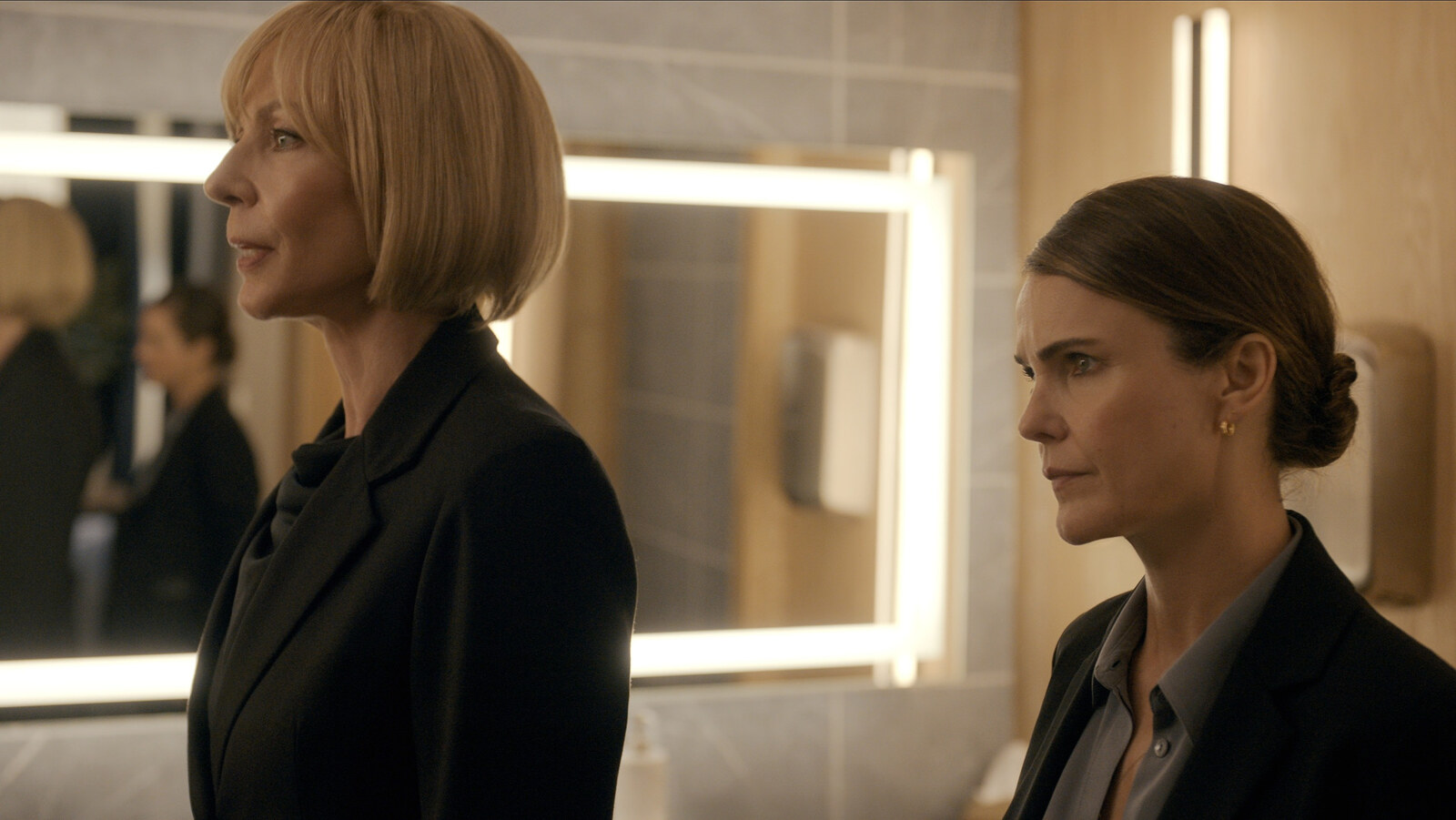
Yeah. Well, I mean, you know, Deb's note was, when we talked about the season and we talked about the lighting and the tone, besides getting, you know, being more source-y with the light and more contrast, which was something I wanted to bring in more and more of was that the bullet changes everything. Like, when she gets hit with that bullet, the darkness envelops her, but it also envelops the tone of the entire show. And I think, you know, we had some back and forth about where that was going. I wanted to progress as Grace's, becomes more and more sort of unhinged as the season goes on. I wanted it to become even darker and darker. So the initial change definitely, like, you know, what happens after she gets shot is, like, I embrace that darkness and then, you know, push that through. There was, there is Grace's study at the White House which we've just built because initially in the beginning of the season, we had the Oval Office set built. And we were trying, when we were in prep with our production designer, Curt [Beech], we were, we... Deb was like, "It needs to feel darker because we need to be able to make it darker," because that room is so bright and white. It's like walls of windows. And we went through, like, we... She picked out color schemes. She and Curt worked on, you know, the carpets were gonna be dark blue and we looked at, like, three different colors for the wall and, like... And we got down to the set, like, we painted it darker and darker curtains and everything like that, and then Deb was like, "Forget it. Let's just get rid of the, like..." So we got rid of the Oval Office set, and she's like, "Let's just build an office, like, that Grace does all of her dirty workings in," you know? What we had built, it was built from last season, so we had it up, but before we shot anything on it we tore it down. And because we wanted something more controllable, we, you know, she was like, "You know, we can't paint the walls of the White House black." Like, we had pushed it so far as like trying all these different patterns and darker curtains and darker... They painted the walls like three or four different kinds of dark mahogany, then a dark blue, then a darker blue. And it was just like, this doesn't look like the White House anymore, you know? And so they made that office, and when Dave Franco was doing the first scenes in it in two and three, she was like, "You know, this is, I want this room as like where all the, this is where all the, like, the darkness, this is where everything's taking place, all, like, the sausage is being made." And so he started and, you know, he was, like, very timid about getting dark, and then we got into my episodes in five and six. I went really, like, I was like, "We're gonna progress." And Deb was like, "I want it to look like The Godfather." She's like, "I want it to be like those rooms in The Godfather where it's bright outside and the windows are blooming, and it's like you can barely see their faces, and you know they're not doing good things." She's like, "You just know they're up to no fucking good. They're up to shady stuff." And she's like, "And that's where I wanna go. That's where I want that room to be like." And it was funny 'cause I was like, she told me that, and I was coming to do those episodes, and I was, like, flying back from LA to New York, and I was, like, on the plane, and The Godfather was streaming, so I watched The Godfather again for the hundredth time. And I came in that morning, and I started shooting it. And she was like... And it was so dark, and the, I think her executive producer was like, "I can't even see the actors." And Deb's just like, "I love it. That's exactly what I was talking about." So like, you know. So basically the bullet, getting back to your original point, the bullet, like, changed everything, and it changed immediately, and then progressively in the, her world and the world around her. Everybody else's world starts getting darker as well. Like, she's sort of taking everyone else down with her. You know, Keri gets taken, is, you know, realizes like, "Wow, I'm in a conspiracy now. Like, I got sucked into this. This is what happens. Like, good people get turned, and they don't even realize what's going on. Next thing you know, you're, like, being court-martialed. You know, you're going to jail because you're like, 'I was... I thought we were just doing our job.'" You know? So I really wanted to reflect that across everybody's character over the course of it. And so some of it wasn't immediate. They slowly picked up, I think in five and six, like, when Keri tells Otto and Eidra about, you know, the ship, like, first time she had ever heard about, you know, that the whole backstory. And she's like, "Look, I know I could go to jail for this or whatever." I was like, "I want in this room, I want it to be pitch fucking dark in there." Like, you know, like, they're all getting, they're all dragged into this darkness now. You know? Like, Keri's just there lit by the window. They're all like... You know, and at first, like, they were just like, "This is not what the show looks like." I'm like, "Yeah, but look what's going on." And they're like, "You know what? Yeah, yeah, you're right." Like, let's, like, they're all in the shadows now. Like, you know? So I think it was the progression that started and that transformation from episode one to episode two, and then all the way to eight is just one we embraced and really loved exploring. Both me and Dave Franco were just, like, super into it.
It's impressive to pull this off, not on, like, on the technical side, sure, 'cause it's beautiful and it's well done, but, like, that, far as I'm concerned, like, that's the easier part. The, like, the politics of making this change is, I think, where the real, like, learning for me at least comes from because you have managed to augment the look and feel of this show into something. Like, when you, for example, like, what you just said that an EP was saying, "I can't even see the actors," that's obviously normally a death note that forces things to change. And for that to not happen and for them to adhere to this is really, it's really like a feat and it's quite impressive and it's great to hear, like, you go about it because it does seem as if it, you just led with the story being the reason why and, like, the key people, including the creator and the writer, are the ones that are, like, gung ho about it and at that point your argument easier. But it's like thinking about what this show used to be in seasons one and two to what it is now, like, it is a big shift that brings the show, I think, into, like, a new category and I think that, like, your convincing of people was a big, is a big reason why
I mean, you know, I understood what the, you know, I understood what she was, you know? And Deb, I have a great relationship with her and just adore her and think she's one of the most brilliant people I've ever met. And so, you know, when she gives me a marching order, then, like, I don't think I'm gonna get fired. I know them all too well, but I also, like, would rather get fired doing something that I love and something that's important to me than to, than just doing something that would make me unhappy with it. You know? And be like, "Okay, well, I guess we didn't see eye to eye," but, like, that's what, the way the scene feels to me, you know? And so that's important to me. And I think, you know, I think that they enjoy me because I do have that passion, and I will fight for my, you know, my image and my lighting and my lensing in scenes. And usually it's not a big fight. They usually are very, you know, very supportive and embrace... And when we were doing color on that episode, on episode five, and we got into that dark room, I know that Janice [Williams], who's a, you know, executive producer and Deb's partner was... I had to warn her before. I just said, like, "I know, like on episodes three and four," when she was doing color with Dave Franco, she's like, "Oh, this room is pretty dark." And his was nowhere near as dark as mine. And he was saying like, "Wait till you see five and six." Like, she's like, "Well, this doesn't feel like the show." And he was like, "Well, we're trying to make it darker." So he went a little ways and went... Before I had my review with her and Deb and everybody, I just said, "Just so you know, Deb said, told me Godfather. I'm going Godfather. So, like, I want you to watch it and think about that." And then when Deb saw it, she was like, "No, it's great. Like, don't touch a thing. I don't want it any brighter. Like, it's great."
Well, love that you're bringing up color because that's the other moment where even if you got approval on set, that's where it can change and go against you, and it sounds like you handled that delicately as well
I mean, we, you know, I do my color and then I have a review with Deb and Janice and Alex, you know, the execs, and they give their notes and I don't think there are any notes. And then, which has never happened to me on a show before, but they invite me to the Netflix review. So I'm always waiting... Yeah, like I normally go through the process with them, and then we hand it to Netflix and they go through it with Netflix. But they want me there 'cause they want me, if Netflix wants to change something, they want me to give my argument and be like, "Look, guys, don't make this brighter." Like, "What are you doing?" Like, "You're fucking it up." Like, "It's really cool."
Amazing. It speaks to the working relationship that they're like, "We want you there to be, to properly defend it because we know that you're gonna articulate it better than we can." That's, like, amazing
Yeah, it's amazing. I mean, honestly, you can't ask for better creative partners and, you know, it's great. You know, I really get to, I really get to explore and push the envelope a little bit and they rarely reign me in, you know? It's good
And I love that you brought up The Godfather because I have it written down. I mean, the last shot that episode
Oh, of two. Yeah. Well, that was taken. That was lifted directly. Yes, that was when the door is getting closed. I mean, when I read that on the script, I was like, "This is exactly..." You know? And I, you know, I wanted it to be... I mean, she looks so devastated and vulnerable. That, like, that shot, I mean, to me, I have that shot, like I have a still of it that I printed out that I have, 'cause I'm just like, it's just amazing. Like, she's, her reaction is just so perfect and like, you know, and I had all that like superly oversaturated tungsten light in there. It was very much like "The Godfather." But I wanted to invoke that, you know?
The Godfather theme music as those doors are closing on each other. So was it common for there to be notions of referential material that you were pulling from or was this unique?
I think that's the first time, a very specific like notion, you know, a very specific example was given about that, you know? I mean, we printed out... I wasn't sure if Deb printed out those stills. I had printed out some stills, and then Tucker Gates, who was directing five and six, was when, you know, Grace's office, I really pushed it and made it dark. We had reference stills from The Godfather. But that was the first time I think she's ever said to me, like, you know, "This is what it should feel like. Like, this is the room, like this is the room that should feel like those rooms in The Godfather," you know? And we just took that, you know, and Dave and I just took that and ran with it everywhere we could, you know? If we had an excuse to make something darker, it would just be like, "Godfather." Like, survey says Godfather.
Given you like a get out of jail free card.
Yeah. Like, "Why is it so dark at this cafe?" "Godfather?" Like, you know, it was like whatever it was. It was just like, it didn't work all the time, but sometimes it worked, so
You had mentioned earlier, and I don't wanna get through the whole convo without missing it. Just talking about the ship and the battleship, and obviously the challenge is to make that cinematic, which I... Which you do, and I think a lot of it is taking away lighting, which you've talked about. Where I found it to be the most powerful was that very dramatic scene between the president's husband and the chief of staff in the mess. Not just the dim lighting, but I also... I loved not only was it low coverage, but also it was low coverage of, like, two very just tight shots on their face and, like, not really giving a lot of breathing room for the audience in terms of, like, establishing the room all that much. Would just love to hear your, like, thought process in terms of that scene
You know, that room when we scouted it, and we shot on a maritime training vessel in, that's under the Throgs Neck Bridge, which is kind of, it's like maritime college, because they have a ship. So, you know, when we scouted that room, it's like, you know, it's a ship. I mean, there's so many, it's like all these embedded LED, fluorescent, you know, tubes, things all over the ceiling. So bright everywhere you go. And we had two scenes in there. We had a day scene, and we had that scene with Billie and then we had another scene that was in there during the day. I guess the other scene during the day was when he's waiting. No, I don't remember. I can't remember now. So I had to figure out a way to make them both work. And for the day scene, I had my gaffer make like ND6, ND9 templates for all those overheads, and then also make, out of card, you know, make blackout ones, because we could not control... You, there weren't bulbs you could switch off. There weren't controllables. Basically the same, they all on or all off. So we basically went in there on the day one and blocked out specific ones we wanted to see where we wanted. And we still wanted to see light coming in the portholes. We couldn't light outside. It was like, you know, 50 feet down to water. So I had to use the ambient light that was coming through there, augment it with my own light, and then control the fluorescence. So we did that for the day scene. And then for the night scene, you know, he's supposed to really be in there all alone and feel very lonely and isolated. So, like, it starts off with that wider shot of him just sitting there by himself. And, you know, we blacked out those fluorescents, I think, except for, like, maybe one behind him, over him. And then there were some tungsten sconces on the wall, which we had off during the day. So I took those... You know, I turned those on and used those as my source, so we could have, like, a really nice contrast between some of this bluish-green fluorescent and then this warm source coming off of these big, bright spots on the wall. And I think then when we got into it, you know, Alex really wanted... it was really just about the emotion between the two of them. It's, like, such a, such an intense scene, you know, where he basically is saying, like, "I want you to leave when this is all over." And, you know, you think they're gonna come to some resolution, and he's kinda like, "I want you outta here." It's, you know... Again, like, they're both phenomenal, and it just came together, and it just... You know, a lot of times these scenes just kinda find themselves. For me, like, lighting-wise, you just go in there, and you watch the rehearsal, and you're like, "I know exactly what this is supposed to look like," you know? Just like, "Shut up. Let's cover those. Cover that one. Turn that on." I just, "Give me something from around the corner here." Like, "Okay, let's put some lenses on and look at it," you know? And then, "Turn that one off," you know? And... But, like, I knew what the feeling was, and, like, once you saw them say those words, you're like, it worked. It was great, you know? It was perfect. So, like, the ship was a challenge in some of those spots. And certainly, like, the other, like, the operating room and that stuff wasn't as difficult. It was a little more, you know, what it looked like. But again, you know, shutting off lights in there, putting a couple of my own tubes under some of the things just to have some color contrast, just to sort of make it have a little more depth and stuff like that. But, you know, it was, again. Sometimes you get thrown a location that you don't have any control over, you know? It's not like you're gonna put lights outside of it. It's not like you're gonna go rewire a ship floating in the ocean, you know? You're like, "Okay, what do I gotta do to make this look great?" And 90% of the time, it's shut everything off and turn things on one at a time or try to see what else in the room can make the scene, interesting or works with the scene. So, like, that's what we did on that ship. And, like, it was fun, you know? It was hard, but it was fun. It was a really cool exercise.
Yeah, no, it has me thinking it's like in those environments where the location dictates so much, you kind of, it doesn't matter if you're on a well-budgeted show, you go back to, like, indie filmmaking concepts because it, you know, money is not gonna solve that problem that you're on a ship and your window, you can't get a light out of it, you know? So my last question is one that I ask everybody and I'm just curious to hear what was the hardest day on set both physically and mentally, and that doesn't need to be the same day
I think physically and probably mentally the assassination day or two days was really hard with, you know, it was like raining and then sunny and then cold and then... And I was sick, the first AD was sick. We had like really bad bronchitis, both of us. Yeah, and you know, we were out there, you know, 5:00 in the morning until, till dark and, you know, just had a lot of stuff to get that scene. You know, we had drones, we gotta get the drones out and we gotta... And it was just a lot of mentally, like a lot of coordination between what can we shoot now, where's the light gonna be in a half an hour? If the sun does come out, the clouds are breaking up and, you know, maybe we should shoot this now because then... You know, it was just like one of those days where you're like, you're trying to juggle like weather and talent and time and daylight and... I mean, daylight days, daylight exterior days are always the hardest thing for me 'cause I don't like, I really don't like covering things up. I don't like to use a lot of fill. And sometimes you get lucky and you can plot your day according to the time and the weather and have the actors rotate so that there's never sun in their face and they're back lit. And then there's some days where it's like, I don't know, you're like, some days you get creamed and like that was one of those days where at the end of the day I was like exhausted physically and mentally just trying to keep that day moving and get cool stuff and, you know, like my head was spinning with like, "What are those other lenses we have? Let's put those on the C cam." You know, we had like four or five cameras out there. You know, "What are you on? Okay," like, you know, "Put on the long zoom," and then, you know, you put on a diopter and like, "Get right in there," like, you know. So I'm thinking for like five cameras not seeing each other. Where's the sun coming from? Where's that guy running to? Who... Like, that kind of stuff for like 12 hours that day or something or 14 hours, like whatever. Any amount of sun that was up was just the hardest day. I mean, in the end, you know, we had a beer at the pub and we were just like, "That was fucking awesome." But while we were doing it, like I wanted to cry, you know? It was like, I mean, I had to go get like a chest X-ray and like see a doctor. Like I had like such a bad cough. They were like, "Yeah." They're like, "You need to get a chest X-ray. You might have pneumonia." I'm like, "This is great. What else can we do today?"
Well, in the end, ironically for how crazy it was to make, it's a very elegant scene of something so intense. And yeah, I think it's nice that's the answer to your question 'cause it brings us full circle on discussing the show and discussing that episode in particular. So thanks so much for sitting down and talking about this. I've really enjoyed the season and the changes that you've specifically brought to it, so it was awesome getting to hear all the backstory from you about it
I appreciate it. It's really great to talk about it, and awesome questions and really fun
The work stays free. Someone still pays for it.
Every episode, every article, and both of the Resources tools are free to use. No paywall, no membership fee, no login. That is not a growth tactic, it is the whole point: learning to light a scene should not depend on what you can afford.
Sponsors cover part of it. The rest is people chipping in.
Monthly or yearly, from $5 a month, less than the price of a coffee. It costs real money to keep the podcast, the writing, and the tools running, and supporting is what covers it.