
Clair Popkin: Filming the North Face for Everest: The Other Side
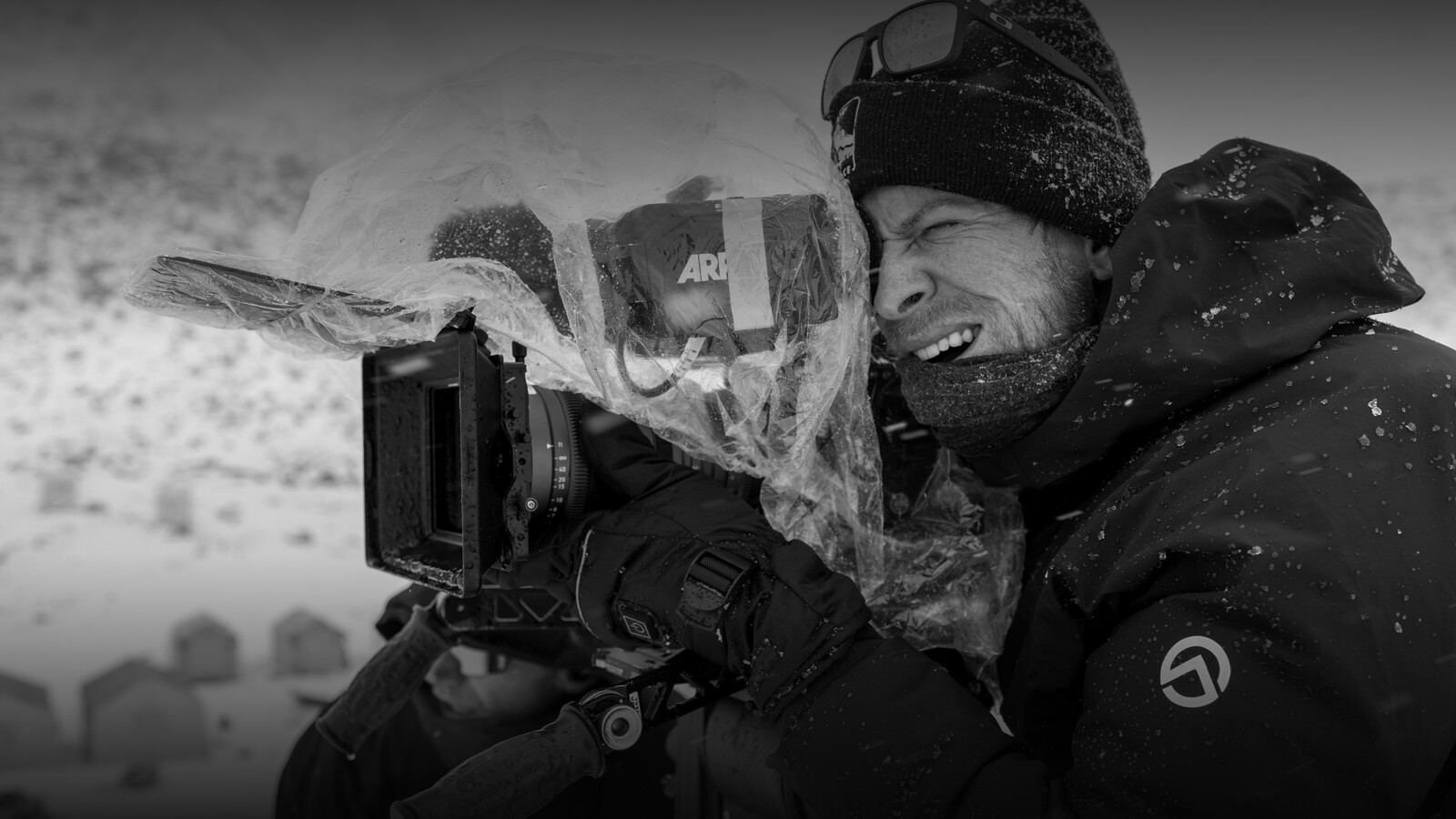
We've gotta be friends to Jim first. We've gotta be climbers after that, and then we're filming.
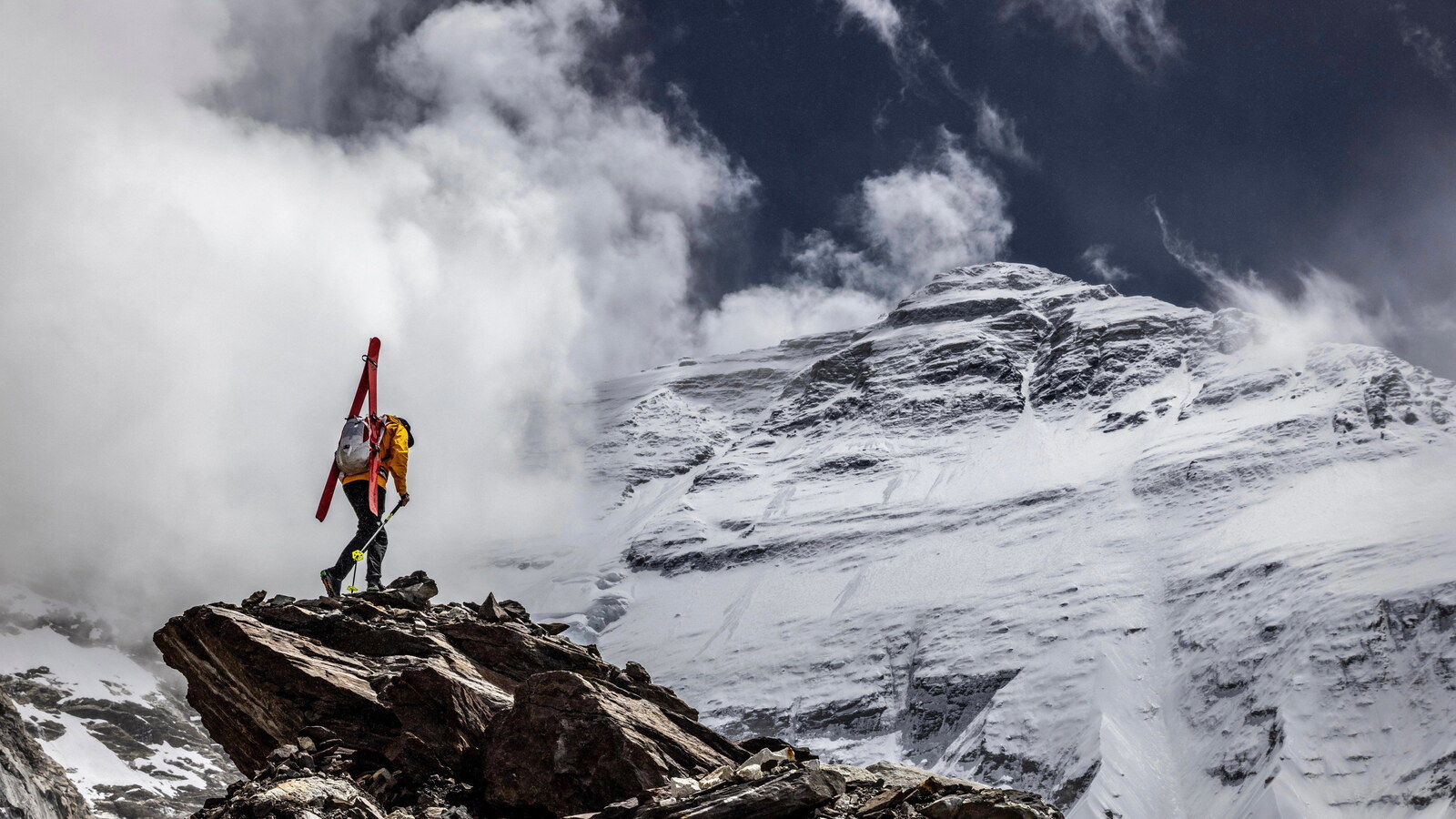
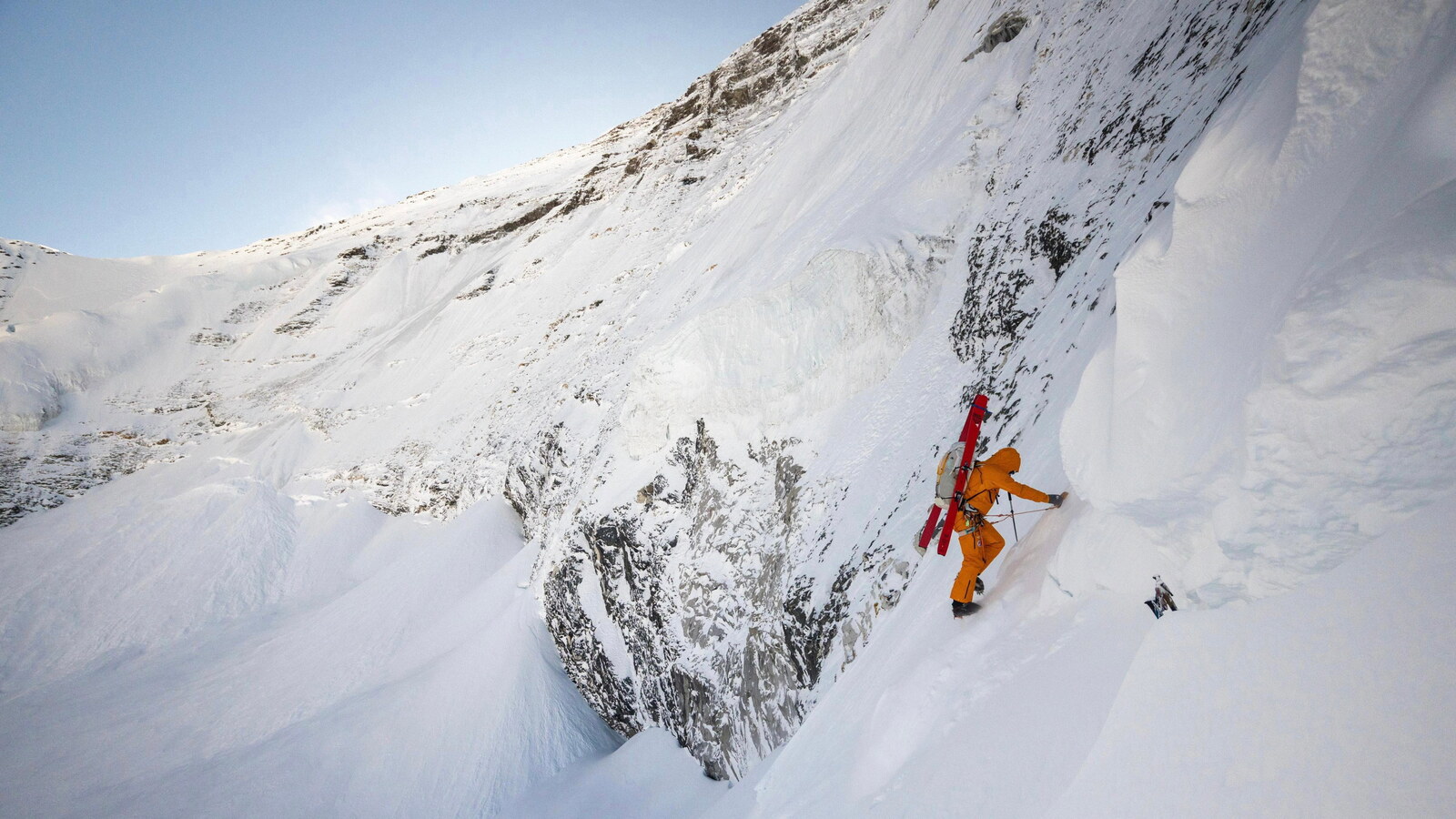
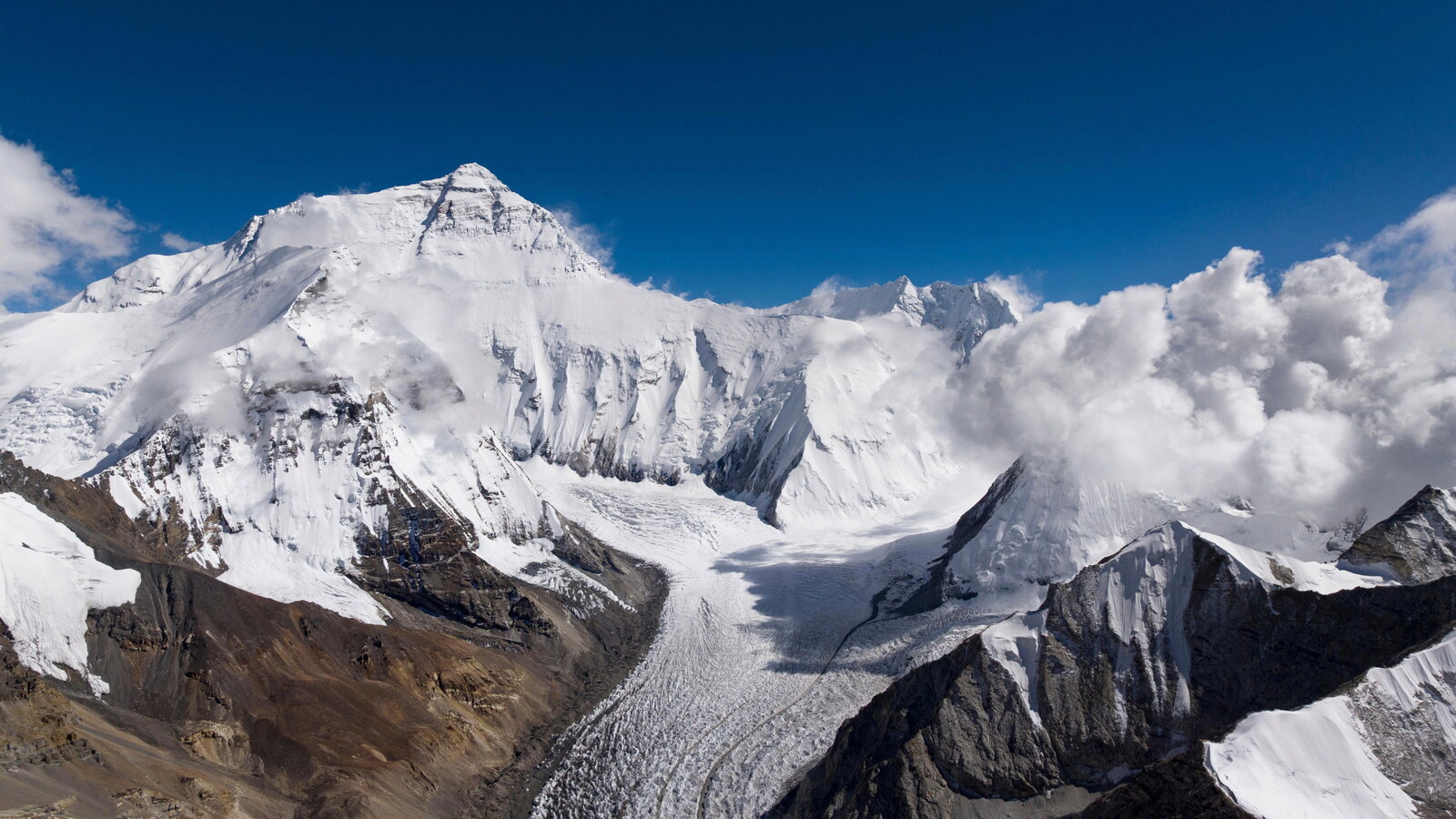
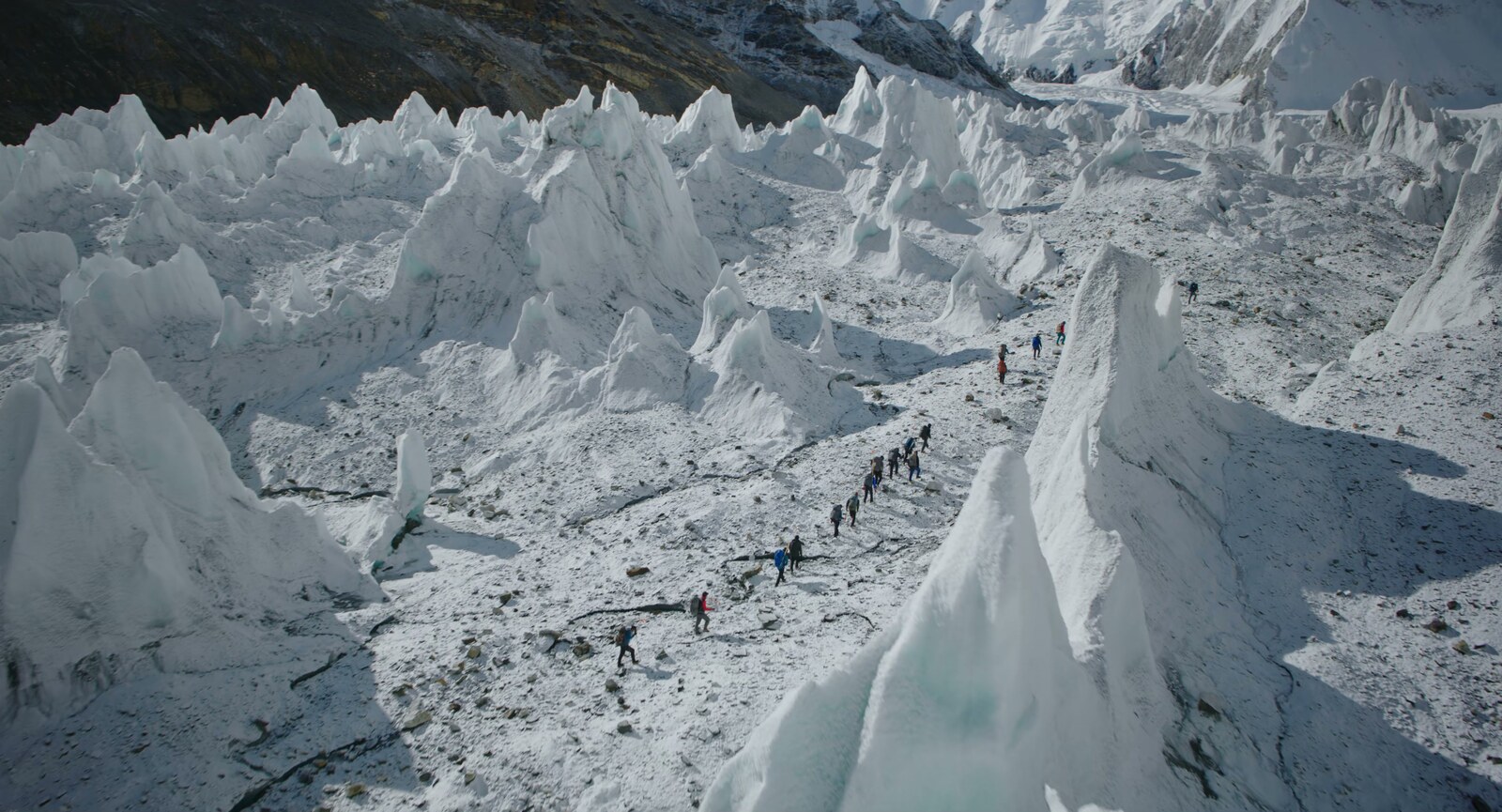
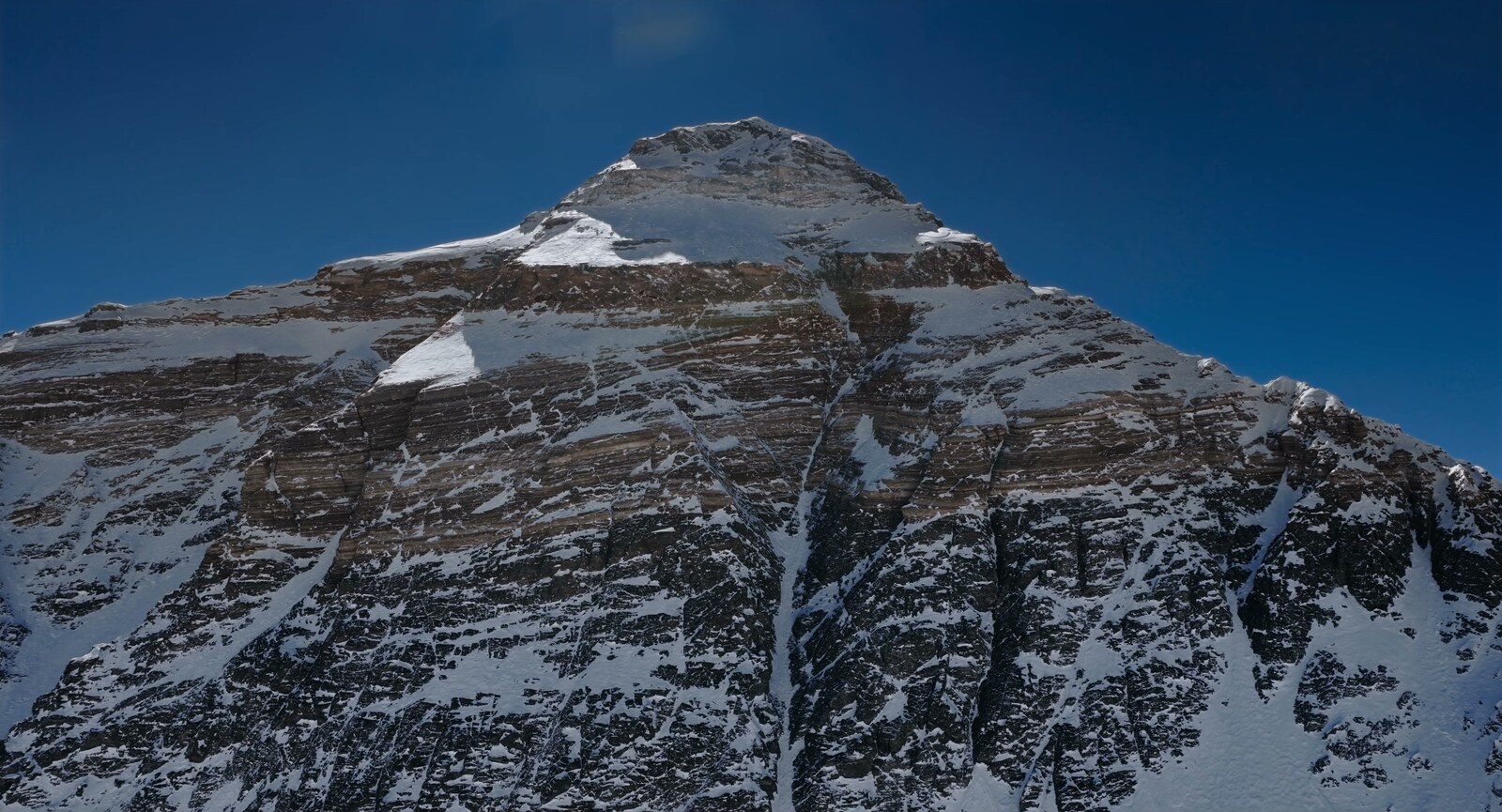
Clair Popkin joined Everest: The Other Side in 2022, after a climbing accident the year before kept him in the hospital for months. The film, directed by Elizabeth Chai Vasarhelyi and Jimmy Chin, his collaborators since Free Solo, follows Jim Morrison's attempt to climb and ski the North Face of Everest after the death of his partner, Hilaree Nelson. Popkin, one of three credited directors of photography with Chin and Christopher Murphy, made three expeditions of about two months each and oversaw the camera team from advanced base camp, watching dailies with producer Shannon Dill and sending notes up the mountain. Before the climb he tested every camera the team would carry, his ALEXA 35 down to the GoPros, on a balcony in Telluride facing sunlit snow over dark forest, bracketed two stops either way, graded the results at Company 3 and projected them at IMAX to get the small summit cameras approved. Their batteries would die in minutes at 20 below, so the crew built cables that ran from Anton/Bauer batteries kept warm inside the climbers' suits. "Two batteries could power it all day," he tells host Jared Levy.
The summit day was mapped out for days: who could be where across 9,000 feet of climbing and 9,000 feet of skiing, with redundancy on a team that might not all make it. A DJI Inspire 3, flown by Leo Hoorn, could climb only as high as camp three in the thin, cold air, and a Mavic 4 Pro flew above it. Pemba Sherpa filmed much of the summit. Popkin and Jared also get into the avalanche footage, the moments he chose not to film, and his hardest days: Nelson's memorial, and an expedition worked through giardia, 18 pounds lighter, still carrying the ALEXA. "We've gotta be friends to Jim first," he says. "We've gotta be climbers after that, and then we're filming."
-
Clair Popkin
-
Jared Levy
-
David Kruta
-
Topher Hammond
This episode is made possible by Fujifilm.

Read the full conversation
Okay. So great to talk to you again. It's been many years since the Art Versus Commerce episode, and I'm just really excited to talk about Everest. I think it's an astounding achievement both cinematically and just physically, mentally. I can't wait to talk to you about all aspects of it. First I'm curious how the project came to you. I know your relationship, you know, the same team from Free Solo. How did they broach the subject with you, and what was your excitement, and what were your nerves given what you were up against?
Yeah. So, I mean, my relationship with Jimmy and Chai, the directors goes back to, you know, 2015, 2014. So yeah, we've done several films together, including Free Solo, which was kind of the first feature-length film we did together. We've done several since then. And so I knew this project was coming out before the pandemic happened. And then, you know, the pandemic happened and I was excited for the film, but it suddenly looked like, oh, maybe everything's gonna pause travel international travel stuff. Who knows what's gonna happen? You know, so they had some people go out and just shoot like preliminary interviews, like have like a director camera person just go out and shoot stuff. And some of that's made it into the film people who could like travel and do it all. And then I unfortunately had a pretty significant rock climbing accident in 2021 as I started the project. So I was kind of in the hospital for a few months and then in a wheelchair for a bit after that. So I wasn't able to begin the project. So I was hearing all about it, and I had a lot of FOMO as I was kind of recovering, did my surgeries and physical therapy for a long time. And you know, was giving some advice and basically when I was able to kind of join the project, I came and took the reins again. So there's, you know, several credited DPs and everyone did a fantastic job throughout. So yeah, I kind of knew about it early on and then for, you know, unfortunate reasons wasn't able to join until 2022. And then we had about four years of shooting.
So at the period. Well, I guess, when it was other cinematographers before you, were you still giving lead direction on the photography side in terms of the decision-making behind the look, feel, and stuff?
No, I wasn't. I mean, I think Jimmy and Chai trust my aesthetics. They had some questions early on about like interview framing and lensing and things like that that I weighed in on when they had kind of just one person, one-man band going out and shooting some interviews. And so I was kinda like, "Oh, this is like the aesthetic I like and you guys have responded well to in our past shoots in terms of framing and stuff." But once they started going to Nepal and they took a trip you know, it was definitely out of my hands. So obviously I didn't have the full control on the project that I would necessarily like, but I'm very happy and proud with how it turned out.
Oh, again, I mean, and there was still four years of filming, so by no means was it a small participation. At what point was the story at when you came in?
Basically, it's spoiler alert obviously.
I guess we should say you should obviously watch the movie before this episode.
Yeah, when one of the two main characters passes away I was called in like, "Hey, could you fly to Nepal today and help with shoot?" And I couldn't do that, but I basically joined from that point on. So the kind of last two-thirds of the film. The first 20 minutes are basically not so much me. So there's a couple of shots from me in there that are little out of place for interview stuff. But yeah. I think visually it kind of becomes a bit more of my style after that.
Understood. Yeah, interesting. I mean, these are the nature of feature documentaries that take so many.
For six years, yeah.
And it's not one shooting block. It's like they're almost these mini projects that get put together in the end. Nature of it.
I mean, we made three trips to the North Face Mount Everest, and only two are in the film. The first one was severely delayed with just bureaucratic stuff, and then we missed the weather window. But like, these trips were about two months each, you know, of shooting. So as you know, I probably spent six months total.
None of that made the final, those trips?
No, I mean, two of the trips did, but the first one was just like, you can't fit everything in. You know, we had six years of footage, several thousand hours of footage that's like these hard decisions had to be made. So they did a great job. The editor Bob Eisenhardt is amazing. You know, him and Simona Ferrari edited it and did a fantastic job.
Now that you've worked with Jimmy for so long, 'cause obviously filming alpine conditions, the most extreme alpine conditions that exist on the planet, what is that shorthand like? Like, what is the working relationship between the two of you? How would you describe it? You know, because, I mean, you're climbing this mountain too. Like, that's the thing that I think, so much of the film is about how hard this is, and you're filming these people. Like, we're watching these people have such a challenging time, and it's like you're doing literally that, but you're also staying composed and filming it.
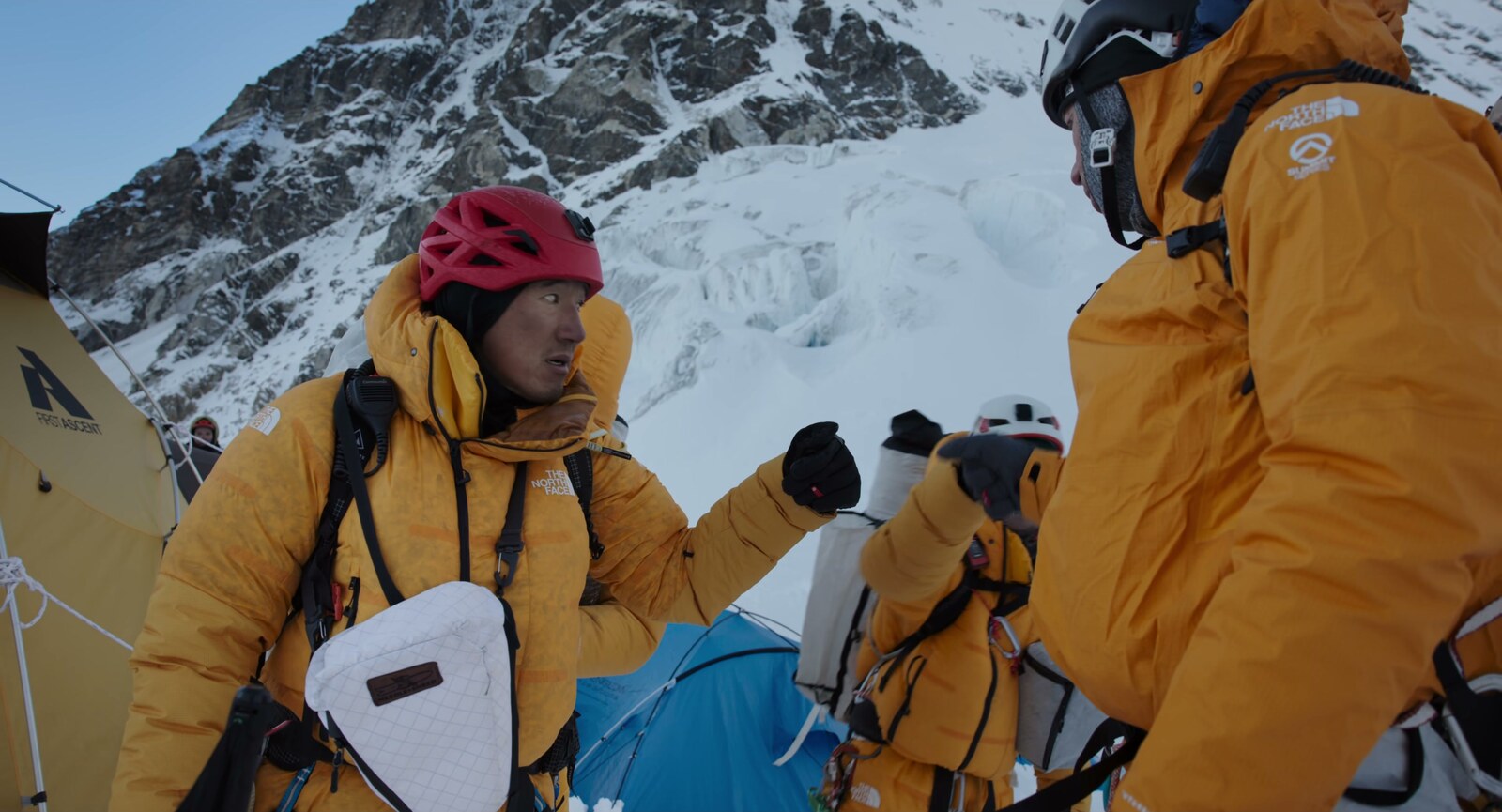
I mean, there's a lot I can dive into with this. I mean, my working relationship with the directors is fantastic. They trust me. There's intention in how we work. There's a lot of discussion beforehand, you know, on aesthetic, a lot of stuff on story. I think they trust me implicitly on the aesthetic, you know, that my instincts and my reactions and having shot enough verite documentaries as well as worked on narrative stuff where I can compose it in a really, like, cinematic, beautiful way that I think works, would work for a narrative, you know, feature film. They very much trust that I'm gonna capture a story, and I'm constantly cataloging the story points and thinking. I'm always shooting with a Comtek in my ear, so I'm listening, and that informs how I cover the story to make sure, okay, this is the important piece. Maybe what someone's saying, seeing them say it isn't the important part, but seeing the person listening is, like, the emotional bit. So they trust my reaction after enough, you know, after enough projects and years. So it's very easy, but we do a lot of prep. You know, we do a lot of testing on gear ahead of time, develops, like, some special battery cables, like, tests a ton of stuff. And then when it gets to the day, Jimmy and Chai. Chai was not on the mountain, but she'd weigh in a ton beforehand on stuff. And Jimmy, you know, trust me, we'd go over stuff ahead of time. Their producer, Shannon Dill, who has also produced Free Solo and is a frequent collaborator of mine, her and I were really just keeping tabs on the story, 'cause Jimmy is also the director, but also a participant in the film and an athlete. And so he was counting on us to, like, keep him informed, but also to, like, be cataloging the story. So I wasn't on the summit team on this, you know. I oversaw from 18,000 feet. Like, once we got to advanced base camp, I oversaw from there. We had an amazing team of, you know, high altitude camera people, cinematographers, you know, Erich Roepke, Mark Fisher, Pemba Sherpa Leo Hoorn doing the drone which was incredible. Just fantastic team, you know, my camera assistant, Graham. So it really was a team effort. And so I would be watching dailies that would come down the mountain. If the team was out of where we were, I would be shooting stuff around our advanced base camp. I'd be shooting long lens. I'd be overseeing stuff. And then Shannon Dill, the producer, and I would watch the dailies, and we'd give tons of notes. Like, "I feel like we're missing parts of this conversation. We need more environmentals. We need X, Y, Z. Next time shooting this, please can you guys shoot it in this way?" Just kind of quality controlling it and, like, as you think about maybe a multi-cam narrative or something. So really keeping an eye on the whole thing. And then when people came to the advanced base camp, I'd be the only camera running usually. Sometimes Savannah Cummins would also be shooting with me. She kind of was a jack of all trades, like, amazing person at helping. So we would, you know, shoot all the bits there and then, you know, ahead of time be like, "Hey, I think these are the things to focus on next thing." You know, obviously shoot what happens in real time, but we also feel like we're missing X, Y, and Z for environmental shots. And I'd done a lot of testing on the camera, so, like, if someone was consistently overexposing, be like, "Hey, I know it looks hot on your monitor, but, like, I need you to, like, bring this down," you know? So really kind of managerial in some ways, but just kind of trying to protect the image. So the long answer, but incredible shorthand helped us work efficiently.
Yeah, no, I mean, I think a lot of these answers are gonna be long. Like, it's such a complicated scenario. I normally don't get in, like, heavy into gear talk on these, but I am so curious about just how you even approach kind of shooting when you're at these extreme conditions and, like, I'm even interested in, like, power because I can't even. Like, how are you managing, like, the batteries of it all? Like, what does that look like?
Well, I mean, how it really looks like is I have an amazing first AC, Graham, who kind of really was super organized in building the list together, like ahead of time and just like keeping it one camera assistant. Sometimes we'd have 14 plus cameras with us, even if there wasn't that many operators. Each expedition we brought less people because we started running out of money and the logistics. So Graham did a ton of the prep, but keeping things charged, you know, Anton/Bauer helped us out with some batteries. We brought Goal Zero solar panels, which when you're up that high and you have a sunny day, you can charge fast, you know, because there's like less atmosphere above you. You're getting more solar radiation that high, so you're getting a lot of power. And then we brought up on yaks some small generators, you know, which would be very easy to overload, but they, you know, they have a cooking tent and they powered off things. But during the day, they'd run when needed if you weren't getting enough solar. And so it was always a dance. So like, can you charge your phone? And charge the batteries? And what's taking priority? Which is always the batteries. And then we'd only bring so many because everything that goes up there has to be carried up either on a person or on a yak. But also you've got to bring up all the tents, all your personal gear, all the food. So everything's coming up and the camera gear is kind of not the priority in some ways because it's a full expedition, not a film shoot. It's a full expedition we're happening to capture with film, but if we don't have the expedition gear, nothing happens that's worth being filmed. So yeah, power was a concern, but Graham, our assistant, kind of really made sure we had enough and kept things charged and topped up and like, I can't stress enough how integral he was.
Yeah, I could, like it's an entire job just managing the logistics side of just keeping the cameras working. Like, it's not even like, just the ability to turn them on.
I mean, that said, I don't think we had a single camera go down on this. We did a lot of testing ahead of time.
Like, what are you testing?
So yeah, we were, you know, trying to get the best image possible in this environment. And so for me it was like, how do we take people that are never gonna go to Everest in their lives, especially the North Face, you know, the Chinese side of the mountain, and like they can see this and so spectacular, how do we capture that? So I wanted to bring my ALEXA 35 to, you know, get the full dynamic range. So, you know, obviously needed separate batteries for that. So I think it's a long answer. And then Canon sponsored us basically, because they've worked with Jimmy for a long time, and they gave us kind of everything we could ask for. Like every lens available, their kind of prototype of the C400. Before it came out, they built two of these cameras that weren't fully functional. I was like, "I need a light camera that can do X, Y, Z," and they just sent us one, and some of the buttons didn't even work. But then we basically took every camera we thought we could get from them and our lenses. We were shooting in Telluride in, you know, spring and there was still snow in the mountains there. So I took all the cameras to like the balcony of our participant Jim's house, and I shot this really high dynamic range situation. Yeah, like bright sunlight hitting snow, dark forest under it, you know, like little sand here. So the full range of colors, full like bright to dark. And we, you know, slated everything and did exposure brackets, like one stop over, one stop under, two over, two under, to see where each camera would break apart, you know. And then we took it all through a DI over at Company 3, which was awesome with Stefan. And then we projected at IMAX, and we kind of looked at it, everything with the slate. So I could see, okay, well, if you're using this, the summit team's gonna be using smaller cameras because they need lightweight cameras. You know, they gotta be able to keep up with the athlete. We can't tell them to wait or slow down, or it becomes a safety thing at a certain point, and it's just also not real. So we'd figured they would shoot on Canon R5 C, which is their kind of mirrorless body, but it shoots 8K Canon RAW LT. But that was a new codec, new format, a new camera. So like, how this can perform. So we, you know, tested it out. We basically did the bracketing, full dynamic range, full color grade so that we could pull down when we were going back up. Projected it, got IMAX to approve it, 'cause they have, you know, they have an approved camera list, and none of the cameras on their approved list were small enough for us to take to the summit and like give us enough power as well. So we've put every camera we plan to use, including GoPros, through that workflow, kind of basically broke it, tried to break the image and see where we could pull it back. And so I had a lot of thoughts, and I was kind of really helping people on exposure. Like, "Hey, this camera you need to bring this one under a stop," like 'cause it's gonna be like midday at 25,000 feet, sun's blasting this. Like just kind of helping guide on exposure throughout, knowing also what the cameras could handle. And all the cameras were surprisingly impressive, but like, you know, some had these little nuances of where they're gonna start to clip like really fast in certain conditions. So that was super helpful. And then we also realized that the small cameras, they use these tiny little batteries and at like negative 20 or colder going up the mountain, those batteries are gonna direct die in, you know, 10 minutes, 20 minutes. So we were like, how do we keep batteries warm? How do you power these more without like having someone carry extra weight? So we designed and had built these really robust battery cables so we could keep small Anton/Bauer batteries in the warm like Himalayan suits and jackets of the climbing team. So keep the battery warm, close to their body. Two batteries could power it all day. Cable out. It had to be robust cable 'cause they're, you know, full on climbing a mountain with this thing, and if it fails mid-climb, that camera's just done. So built these things and tested them and like threw them through their paces. One of our high altitude cameramen, Erich Roepke, left one running overnight in a freezer at negative 20, you know, and the battery died. Turned the camera back on, plug a new battery next morning, still wet, you know. So we really kind of like put them through their paces to see what would happen because once you get out there, you can't be anywhere more remote in the world really. So anything you need, you have to have with you.
And it's like you don't wanna learn anything for the first time up there.
You can't get a delivery. You're like, "Oh, I need another battery." It's like, "Well, shit."
Yeah, Amazon is impressive these days, but it's not that impressive. And then I guess the conversations that you're having with the high altitude film, like shooters, I was constantly wondering about the cost-benefit analysis of how, like should I be getting this shot versus need to also make it up the mountain myself, you know, let alone getting the shot. What are the conversations around doing that, whether the ones you're having for yourself, like when you're doing it, when you're the one shooting or you're leading this team of cinematographers, how are you talking about it with them and how they should be thinking about that decision making? What is that conversation like?
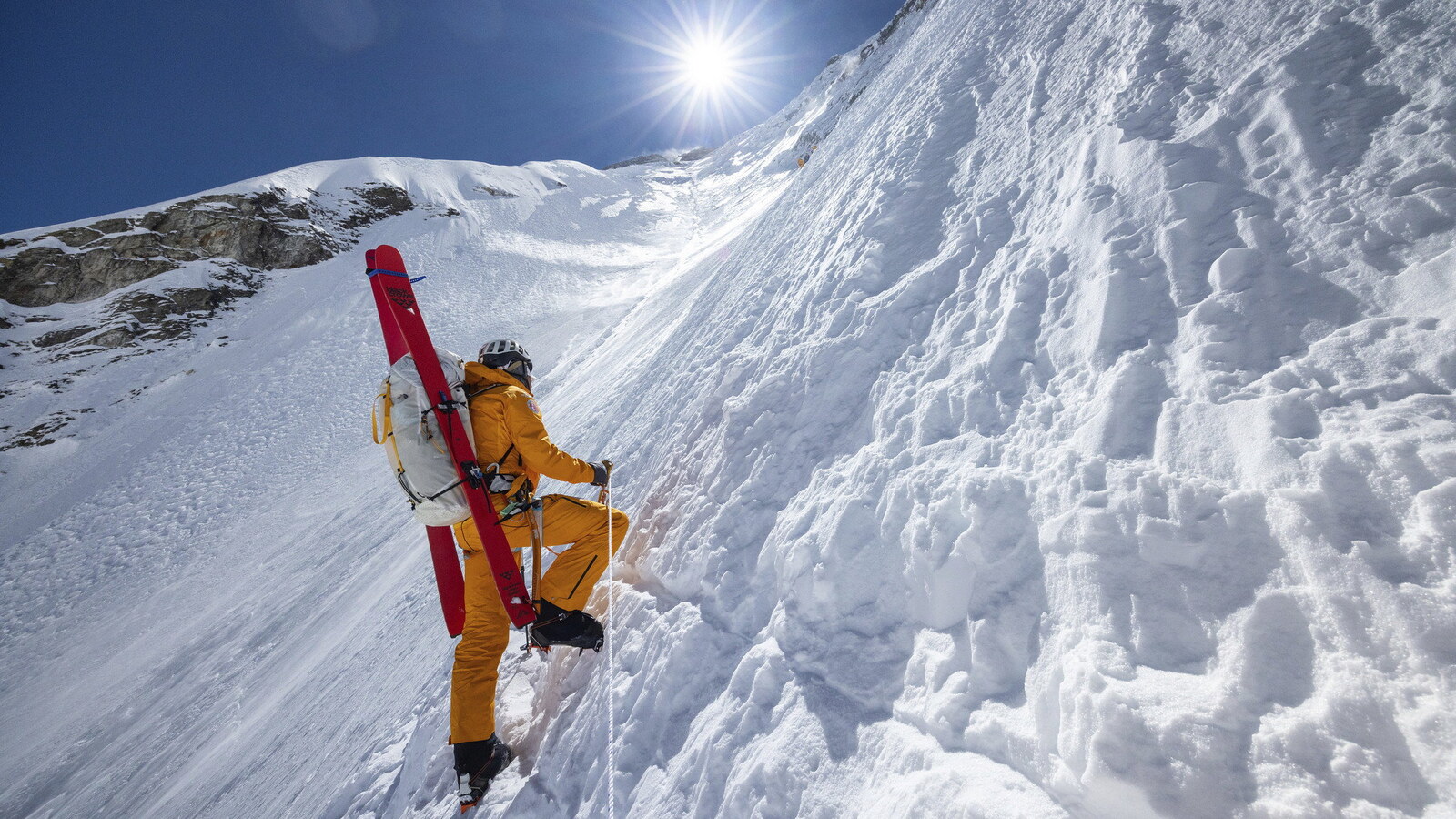
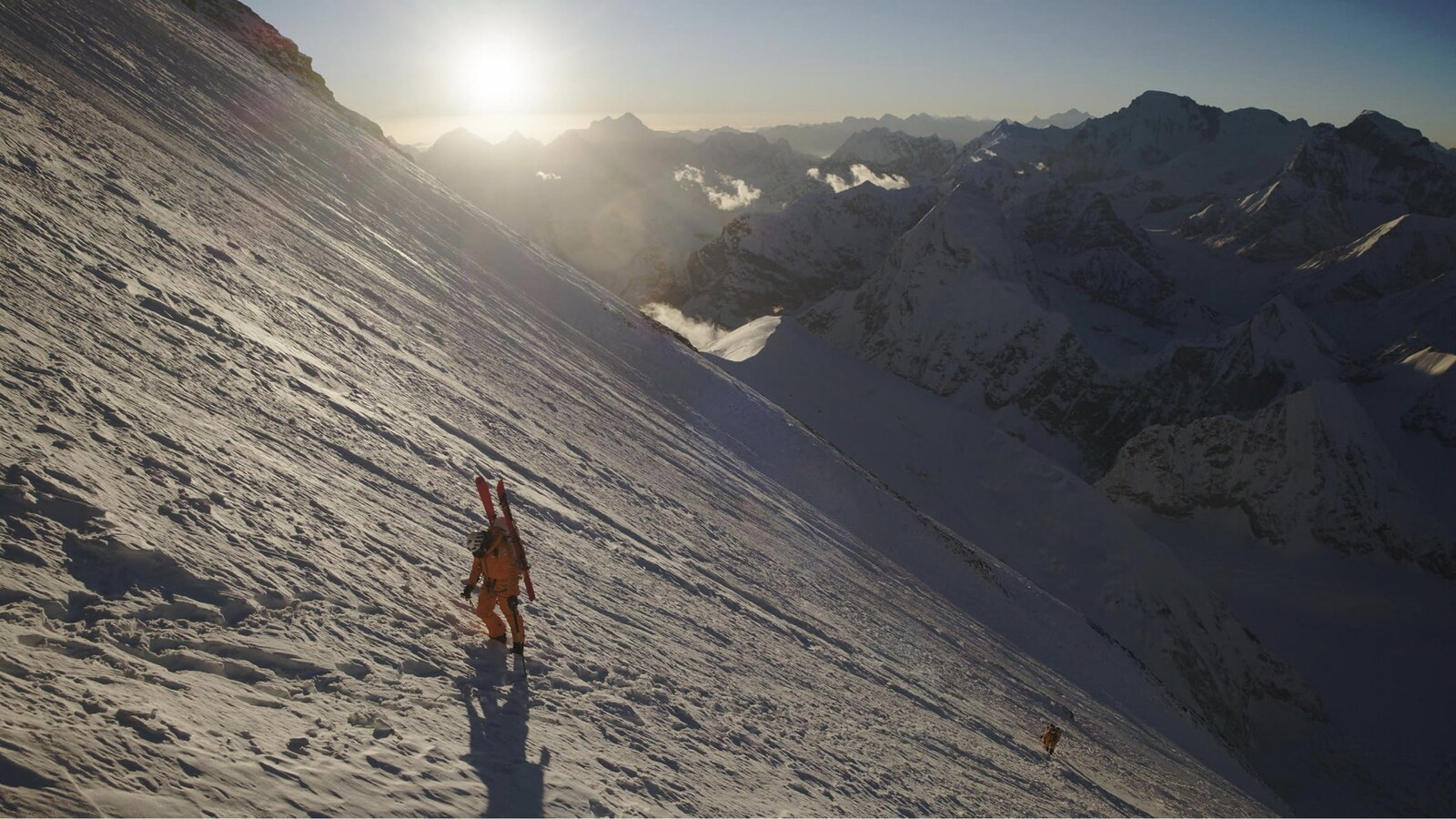
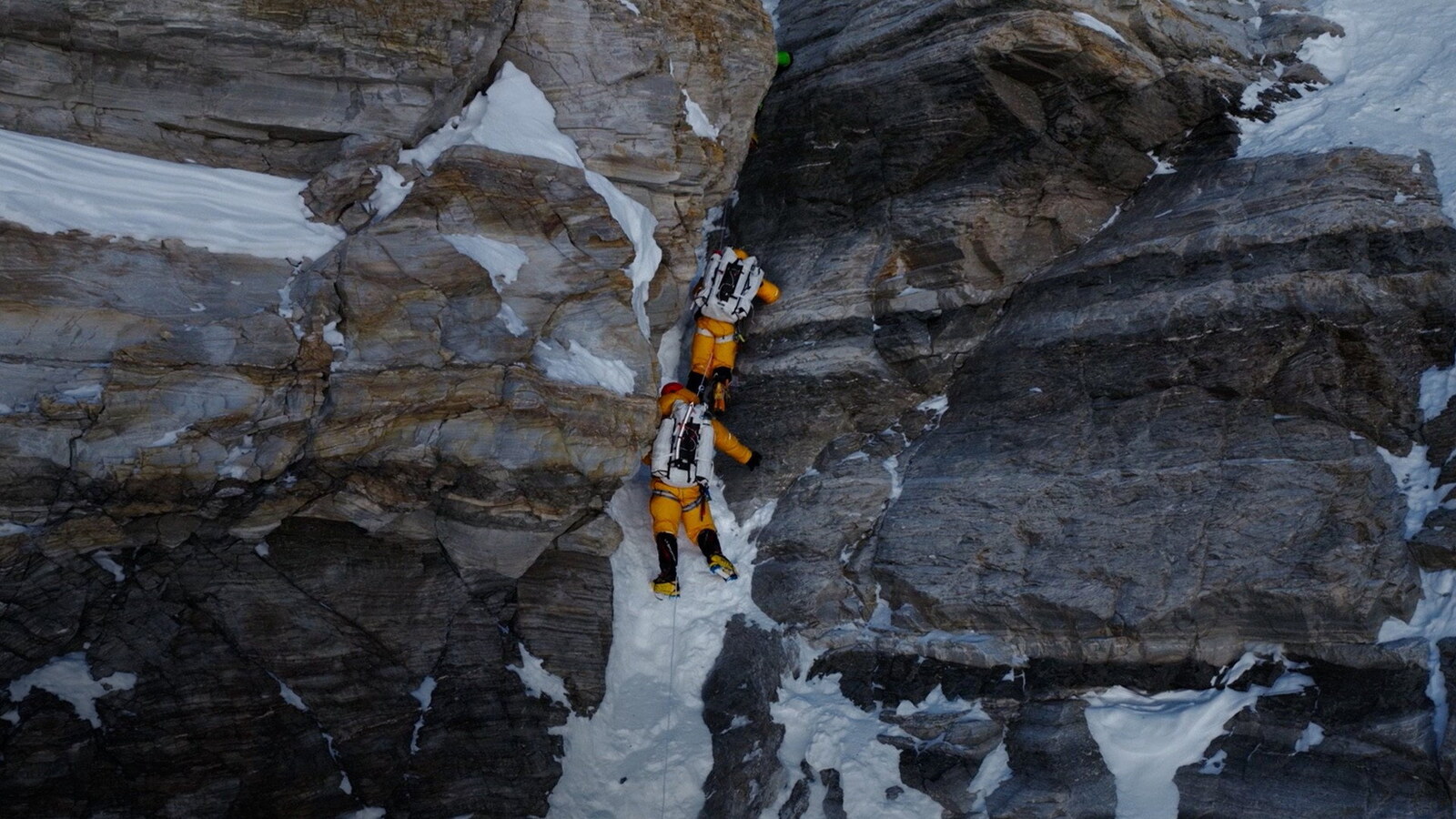
So a lot of those conversations were before the actual climb. They did acclimation trips up to various camps in the mountain, and things happen, and avalanches and all sort of stuff. And so it was more about, like, what to record in those moments. Jimmy, the director, and Shannon, the producer, and I, and some of the health team, like, really worked out a game plan for the actual climb. Like, where each camera would be, how many people. We had such a limited team, like, who has to cover what? It's 9,000 feet of climbing and then 9,000 feet of skiing. How do you capture all that, you know, with two, three cameramen on the slope? You know, GoPros, some Sherpas with cameras as well. So we had kind of ad nauseam, like, we talked about this for days. Kind of game plan mapped out who could be where, how it would work, who was gonna be on the summit team, who wasn't. Having redundancy on the summit team, 'cause it's not a given that everyone's gonna make it or anyone's gonna make it, you know? So we game planned the actual climb out and realized that the drone was gonna be our best bet, and having two drone systems to cover it, one that could go high. The Inspire 3 DJI drone could go up to camp three, but not above, because the flight time became so diminished in the thin air and the cold temps. And then so above that, we'd take the Mavic 4 Pro, and we'd go up there to have more flight time, and how many drones we need. One would be going up when one was coming down, so we'd uninterrupt coverage. As we kind of figured out and worked out a lot of shots with our amazing drone operator, Leo Hoorn, who just. I mean, the man is the most cinematic eye out there.
The work in the film altitude is unreal. Like, it has blown my mind watching it, also, like, were these in just really great condition days?
No, the wind is high always there. The drones are incredible. Leo's incredible. And we worked out a lot of the shots with Jimmy ahead of time. This is what we'd like to be. You know, but like, is Jim, our skier, gonna be 20 feet that way, and then maybe the shot's not as good, you know? Or is he gonna come down at a time where we have this amazing light dark lines in the snow, which we really hoped for, or is he gonna be faster or slower, and it's gonna be totally dark? So we've kind of worked out what we wanted, and there's like a ton of trust with Leo. We've worked with him for years. Everyone was handpicked on this job, like every single person, for like their eye, their athletic ability, their eye, you know, and just like their instincts, and like being able to just deal with it, you know. There's a lot of like improvisation.
So much of it is autonomous decision-making up there because, I mean, you're not getting feed.
No, the second year I did get a feed. We tried, I think it was a DJI transmitter, and it gave me like several miles and we could get a delayed feed. But no, you can't. Like, by the time you call something out, it'll be too late. So that's why it was so important that we had such a strong team. So basically, we worked out a lot of the shots we'd liked ahead of time. Like, "Hey, we want this for our summit shot. We want this orbit where it gets closer," you know? We knew the operator Pemba Sherpa, our amazing Sherpa cameraman who worked with us, and just like really a lot of his footage made it in the film from the summit day. You know, just like worked on what we thought the coverage moments needed to be. And then with Leo, you know, we really trust him, but we looked at a lot of stuff ahead of time, and he like way over-delivers every single time, and he's amazing. So yeah, working with a great team, but a lot of conversations ahead of time. And a lot of planning on maps of where everyone needed to be and then hoping it goes well.
I just think that what comes to mind, I mean, there's so many amazing drone shots, but what comes to mind is the perfected timing of his orbit as he makes it totally down, but like when emotionally he has his release because he's the crux of it, and like I have done it. And the way that he orbits around perfectly so that by the time he hits that point, the camera's now looking back up at that he came down. Like, I have goosebumps talking about it. Like it's perfect.
I mean, yeah, you can't teach that. It's like if you had a 100-foot techno crane, you know? And like you were designing a shot, that's how you would finish that shot, you know? Like the timing's right when he like pumps his hands in the air, the whole thing. It really adds. It's super cinematic.
Were there moments where there was that, internal conflict with one of the cinematographers and they had to, you know, do something for their own safety or for. I'm just curious about like, was there certain levels of hardship up there that were unexpected?
I don't think any of it was unexpected. It was the hardest environment you can imagine filming in. You know? You're up there, even at advanced base camp, we have half the oxygen or less than half the oxygen we have here at sea level. So everything's a struggle. So doing your best work is like, it takes all of your effort. But the thing was, we've gotta be like friends to Jim first. You know? We've gotta be climbers after that, and then we're filming, you know, third or fourth position on the list. 'Cause you can't put anyone at risk. Can't put yourself at risk, can't put anyone else at risk, because it's like life is the most important thing we've got, right? And our health. Like, you need to get evacuated, like, there goes the film too, you know? So for a ton of reasons, it was like the filming kind of was not the first priority. It was everyone's safety 'cause this is an inherently risky environment, and the biggest challenges we have are all environmental. You know? Health, avalanches, cold, whether it's cold in the gear, cold in the people, cold injuries, you know. Does the gear work? Weather. 'Cause you have to have the mountain let you go up it, you know? The weather has to be perfect. There's just a ton of waiting.
I'm sure. And then I was also curious about, since one of the main protagonists of the film is also, and someone that's on camera a lot, is also your director, I'm curious about that relation. And I'm sure it would be interesting to ask Jimmy this question himself, but, like, that internal decision-making where he's like, "I can direct my cameraman right now, or I can be in the moment being on camera right now." And I'm curious what that is, what that was like for his relationship to the high altitude cinematographers in those moments.
Yeah, I mean, obviously I can't speak for him, but I know the way we work together is there's just an implicit trust, you know? And like we'll discussion ahead of time. I was privy to discussions with the high altitude team a lot too, you know with Jimmy and kind of weighing in. And I think when he was up there, he was trying to be a climbing partner to Jim, not to direct the action. And so trusting the team would capture things. And there was times when things were missed and, you know, I'd kind of be like, "Hey, next time we can make sure we cover the other side of this radio conversation," or stuff like that. But for the most part, I think they all did great. They're all brought for a reason 'cause they have amazing skills. But I think it was important to him to be a good climbing partner to Jim and kind of help him succeed.
Well, 'cause I also know that, like, we had the same conversation when we talked about Free Solo, is that you may be in the midst of about to film a disaster at any point in time, and, like, that's also weighing on you. And frankly, you weren't there, but a previous cinematographer I mean, the fact that the film includes the moment of the avalanche where gets swept away is just. It's kind of unbelievable that that footage exists, you know?
That wasn't even a real shoot. I mean, that was them going on a training mission where they wanted to go, and Pemba, our amazing Sherpa cameraman, went with them. You know, he's really grown as a cinematographer, and he's an incredible person. And you know, he shot it as it needed to be shot. But I can't speak for the director and editor, but I think obviously ethically there's a lot of questions about that. But I think it was important because people talk about people being gone and things like that, but this is like, it's not just some random thing. This is like, this shows the concrete consequence and kind of how it happens, so.
I applaud the decision. I don't know her, but listening to everything that is in this movie as well as other interviews where I'm just like, I think she would've wanted it in there, because it's like her life's work, and it's what she believes in. And it's just like there's a truth to it. And the fact, that you see it brings so much more reality to all of the other footage in the film, I think, because everything was fine until it wasn't. What you watched him do, and then she does the exact same thing, and the whole mountain just slides out.
He went first because he was testing the slopes. You know, you see him making these big jump turns to kind of like really load it and like, so he's putting, you know, that's a riskier position to be in. And it's just the mountains are very unforgiving.
And I think not that you needed the reminder, but it was kinda great to see it where it was like at any moment, like anything that feels safe in any moment might be unsafe in the next for reasons that are completely unassuming.
Yeah, and you know, I think you have to remember these are like two of the top people in their field, you know? Like she was one of the top ski mountaineers in the world, and it just happens.
Yeah, like it's not about skill at that point. Watching it, I just, I wasn't expecting to see it, and then you see it, and it's obviously shocking. And it brings the whole film to this new place. What were the conversations that you all had with the possibility of something going wrong, what were the prep conversations about if something does really bad? Like, what do you do? Do you keep filming?
I mean, I know in conversation that my job is to capture. They can choose to use or not. Like, I'm not like a mountain rescue person, you know? I'm gonna capture my side of it. You know, I'm gonna keep shooting, you know, unless ethically it feels wrong. You know? If I can be more help not filming something, I will absolutely do that. Like, I think safety and lives come first. But if it's something where it's like my hands don't make a difference, like I will film it because that's real and that's what's happening. We're telling real stories. But there was, you know, there was tons of conversations about rescue plans and how long would it take and what happens if X, Y, and Z happens. Similar to on Free Solo, you know. We had game plans for kind of every scenario we could think of. And a lot of them were very daunting to think about. But you had to also just trust that Jim and the whole team are gonna make really good decisions. And that said, it is nature too, but you know, they've spent a lifetime in the mountains in these environments, and you've gotta trust that they're gonna make the decision to go when it's safest it can be.
Yeah. And I mean, this reminds me of the conversation that was filmed between Jimmy and Chai, and I was so taken by that convo because I think one of the things that I was wondering about, and this I think is the stuff that you were primarily filming 'cause it was the stuff between characters, it was very narrative forward, it wasn't like high altitude things. Generally speaking, what's your approach to conversations, they're not constructed because I think they're genuinely happening in real time, but also it's like you know that this is set up there are cameras filming this in the way that you want it done. What's that balance between like the documentary nature of it and the construction of it for conversations that you know are not the first time these people have had it, but like they're having it for the film now?
That happens maybe less than you think. I mean, we spent a lot of time with cameras not filming also. You know, similar to Free Solo, we weren't always filming. Like, I would have a camera, and I might pick it up and shoot, or I might not. And part of that's about building trust. And, like, obviously the directors know conversations that they need to have. But as with Jimmy as a film participant, these are real questions. These aren't just film convos. Like, to set the stakes for the viewer, like, he was like, you know, a husband and a father as well, and suddenly things become very real. And I think Chai brought up very good points, you know. And they obviously work for the viewer, but, like, those are real questions. And so I think with every documentary, especially if your filmmakers are in it, you know, there is, like, a balance there. Like, they're gonna understand the things they need to do, but, like, these are conversations they had to have as well. So I don't think there's anything weird about that. To me, it doesn't feel super constructed.
Yeah. And you're filming them, and they're also both your directors, and there's this like tension because, I mean, even just like listing off all of the people that have sat at their dinner table who have passed doing these extreme sports, like that is a wild conversation to have, let alone have it be filmed knowing that that'll be part of this movie. Was there any added tension that they're your directors also, or is that just so not that impactful really?
No, I mean, to me that wasn't added tension. Like, you know, we all know the job we're here to do. And you know, I think for me, I'm always keeping tabs on story and then thinking about how it looks as well. And I'd rather capture it and they can choose to use it or not. I know that answered your question. You know what? I think this is a conversation that had to happen. If it had happened before, I couldn't answer that, but it had to happen, and I think it's important for the film too. But it's important on a personal level.
Yeah. I'm curious to hear more about your process 'cause I found it interesting, like, you're not always filming. 'Cause I think that it becomes hard in these vérité style docs where it can be almost, like, too tiring if then you have to be like, "I need to film all the time," because you don't know what will or won't be of use. How have you honed in on your ability to make those judgment calls?
I've worked on projects where you film everything. I work sometimes with Matt Heineman, the director, and he wants to film everything. Like he wants true cinema verite of everything. Like, he could film one side of a phone conversation for an hour. Where the other way to do it would be grab enough cutaways, shoot it from behind where I see his mouth, and you can like use the real audio. And sometimes that makes sense, and for some films it doesn't always. I mean, especially when you're at 18,000 feet or above, you're not gonna do your best work. You're gonna get super tired. So for me, it's about, you know, understanding the story as I see it through conversation with the directors and producer. But it's also, you know, about building trust and rapport with the film subjects. You know, getting them comfortable with me. Like on Free Solo, there was times, I'm six foot four, but Alex, I'd film in the van, he'd be like, "How have you forgot you were there?" 'Cause you can just get comfortable enough. You're not always there. And in their mind, as you get to know someone, you're not there to just like kind of capture the story in a way that's like using them in some sense, you know? So it's just like getting to know, realizing that you don't have to film every uncomfortable moment either. And not like, I'm not, you know, contriving anything. I'm just in my mind like, "Okay, like this feels like a private moment that doesn't necessarily need to be shared," but it's also like we can get something else that tells us part of the story too. So for me it's all informed by what I'm listening to, honestly. I'm listening to the audio the sound mixer. You know, I think my shooting is informed by that in my verite shooting anyway. But it's conversation with the directors and trust, you know? Like trust that you understand the story, but you're acting on their behalf too.
Do you have a lot of moments that in hindsight you're like, "I shoulda got that"? Or it's gotten very good about hit-and-miss.
I mean, it always happens. Yeah, there's always times where I'm like, "Ooh," like I didn't see that conversation going there. You know what? When I watch the film now or almost any films I watch, I don't remember those moments. I'm not like, "Oh man, I really missed that conversation," you know? 'Cause like generally you'd know where things are going and, you know, it's kind of like, I think if you have good instincts and use your intuition about these things. And I've shot enough films now that I kinda tend to have a sense of where things are. Not saying I don't miss sometimes, but you know, I think, yeah, I don't find myself missing those moments later on.
Yeah, and I guess I'm also so curious about the cultural exchange that happens because I find it so interesting that the highest mountains in the world in cultures that are so different from ours. Like, it'd be one thing if the highest mountain ranges were in Colorado, but they're not. And so, like, there's this cultural exchange that always is a factor in telling these stories. And I'm just curious about your own personal relationship with part of the world and your thoughts on how to film it. You know, I think whenever you're going into certain environments it's not about what they're lacking, about what they have and what they bring. And they bring so much, especially to the climbing community. I'm just curious about your thoughts on your relationship now that you've been to that region so many times over your career and have worked alongside them. I just wanted to touch on that because I think it's such a huge part of high altitude climbing in that part of the world.
Well, I think my approach is to treat it with curiosity and respect. And I always love to learn, you know? If we've all shot overseas, you can pick up so many interesting tips and tricks for these environments and, you know, what the light's like in certain places and how to capture it from, you know, local camera people or local film people, or just like the Sherpas weigh their knowledge, you know? You can kind of get a sense, and it makes you better at your job. So for me, it's just I treat it with curiosity. I'm not always like, "My way is the best way." It's like, they do things for a reason. Let's look at this, you know? And I think, you know, they spend a lifetime in these mountains, and they're incredible people, incredibly strong and smart and just beautiful. And so incorporating that is just gonna make the film better, and I think it's also real. You know, I think it's important that we show the Sherpa perspective, some of the best shots of the film are by some of our Sherpa cameramen who are incredible.
Not just the tech of the camera, but like the notion and composition?
Not so much, no. You know, I think these people, you know, especially Ben Whitehead, they've shot beautiful stuff in their own right. It's just maybe teaching my style of like how I like things shot. You know, like if we're shooting a conversation, here's what I like, here's how I want it framed, and here's how long I want it held, and like try and position yourself in the backlight or like maybe focus after the first to finish this talking, stay on them even when the next person starts like, 'cause it's about what they said. Like you know, informing how they shoot just for my aesthetic and my style. But no, there wasn't really a lot of teaching. They're so talented. It was just kind of trying to make things cohesive.
Like their understanding of light just intuitive.
Yeah, I obviously give a lot of exposure notes. Using the mirrorless camera, there can be a tendency to overexpose because you're looking at a monitor in like bright light and like, you know, it'd be like, "Hey, when we can please shoot into backlight." But the face of the mountain is facing one way, so sometimes you're just gonna shoot into front light too. But like, "Hey, if the sun's over here, like, and you're here and it's safe to go to this side." You know, like reminders. But there wasn't a lot of that.
Yeah. And I guess the feeling everyone had upon the completion of the actual climb and the ski, just what was that like with everybody? I mean, you're talking about years and years and years of working towards that moment. I was just curious to hear what it was like for you.
Ah, it was very cathartic. Everyone in the film, I think the film covers it in a decent way. For the participants spent months away from their loved ones and, you know, their families and put their lives on hold. So it takes a huge toll on all of us, you know. So I think after not being successful two trips in, you're like, "Can we do it this third time, please?" You know? And like, "Do I need to shoot an alternate ending for the film?" Like if he doesn't succeed, what does the ending become? So racked my brain around what that is, you know. Maybe this is something that's just not doable. So for when he reached the summit, it was a moment like, "Oh my God, he reached the summit." And then Mikey, who is our base camp manager, was my co-DP on Free Solo, is a close friend, remarks on camera, "Well, he's still gotta ski the thing," which is arguably harder, you know, and riskier. He's gotta be perfect for four or five hours of skiing. One mistake and there's no recovery. He's dead. Yeah, and like it's not hyperbolic to say if he makes one mistake, he's not gonna survive. 'Cause if you fall on that slope, on those icy conditions anywhere, you will go 9,000 feet to the base and that's just not survivable. So suddenly it's like, oh wait, we're celebrating, but everyone still has to come down. He's gonna do it on skis. So once he was down, it was like a huge weight was lifted. I mean, in terms of like understanding the film, I was like, "Oh my God, we did it." Like this was possible, but also you realize the films can be better. It's like gonna hopefully be inspiring to people 'cause he's just an amazing, you know, compelling figure and this act was also amazing. And it just feels, in that moment it felt very worth it. You know, and being part of a team that pulled this off. I think, you know, when you're kind of at 18,000 feet struggling to breathe, I got giardia at a certain point. I'm losing two pounds a week. You're like trying to do your best work, got altitude illness. You know, you miss your like girlfriend or fiance, depending on, you know, and you're up there and you're like, "I'm away. I don't have good comms." Like, it just is really hard. It's hard not to question your decisions, you know? Obviously I'm very committed to the project, but yeah, I could be like, you know, home with Natasha, like hanging out and being comfortable and filming a commercial. Instead I'm up here sleeping in a tent and it's, you know, zero degrees out and I've got a hot water in my sleeping bag to keep me warm, and if something happens at night, I gotta get up and it's negative degrees and I've gotta put on gloves and go shoot something whenever it happens, and I like just wanna kind of like keel over. It's like hard not to make those questions.
So then why did you do it?
I mean, it's the love of it. Like I love storytelling, I love filmmaking. I enjoy collaborating with these directors and, you know, I've been working on more commercial and narrative projects, but documentary, the access you get. Everest was never on my bucket list, but it's an amazing place to go and to be witness to these things and help tell stories that I think have value and importance.
The value and importance is?
I think, you know, there's inspiration. I think this film in particular, you know, it's not just about climbing a mountain, it's about grief. It's about recovery. It's about, you know, living your life with purpose and intent, and your Everest could be like climbing up the stairs. You know, your Everest could be anything, but it's like achieving something that seemed impossible, picking yourself up. I think there's a lot of value in this film that can hopefully inspire others, and I think Jim is like such a compelling, amazing character and person. Like he's really something, someone that we can learn a lot from. You know, and I think it's a story that can matter for a lot of people. I think it has a lot of universalities in our kind of shared humanity that is kind of important.
I feel like I have different things that I learn or grow from with each director collaboration that I have, what those are for you with Jimmy and Chai.
Can you break that down a little bit?
Like, I find that either because of the types of stories that I tell with certain directors or the types of projects that we find ourselves on, the takeaways become specific, and I'm just curious what you think that is with those two.
I think on paper, a lot of people will be like, "These are about athletics," you know, "And these are about sports." But these are kind of stories about universal human stories. You know, the universalities, the commonalities among us that we can tap into, and kind of achieving things and operating at a high level. So I think, you know, they're very human stories, honestly, at their core. But told through the form of an achievement or something like that brings people in, you know? In a way it's like this is about this event or this thing, which is kind of a Trojan horse to talk about, like, these, like, things we all share as humans. They're very human stories, and I think that's why they're successful.
Yeah. Do you find that any of their choices in post, like happily surprise you or that they took something that transpired in front of you and just turned it into something even more profound? Like, experience those moments with them?
Yeah, always. I mean, there's thousands of hours of footage.
With this movie in particular?
No, just structurally how it weaves around, you know, in terms of Jim's backstory through the real time. I think just the structure is, you know, any film or documentary shoot, like even with Free Solo, it could be five, 10 different films depending on how you edit it. And so it's always a surprise. And their co-producer and editor Bob Eisenhardt who co-edited with Simona Ferrari, did a fantastic job. You know, they watched every minute of footage, you know, from all the cameras and kind of spent years putting this together and working it out. So it's always a surprise to me. You know, I don't think things are like taken out of context. You can't put everything in the film, obviously, so it's the decision, it's all about decision-making. Yeah, I mean, they're, you know, supremely good filmmakers.
Yes, they are, and they've proven that multiple times. This tends to be the last question that I ask consistently, and it just seems like, a wild question to ask you and what happened on this movie. But I'm just so curious to know what you would think was the hardest day that you experienced on set both physically and emotionally, and that doesn't have to be the same day. Those can be different.
For me personally, I think filming Hilaree's memorial was probably the most emotionally hard day for me. You know, filming that, filming Jim going to the house that he was constructing for them to live in with the kids, which was almost finished. And he was like note tagging what the rooms were meant to be in, what is it gonna be, and like just kind of dealing with the ideas of like, what is life now? You know, that everything was suddenly just like for the second time in his life, totally the rug was ripped out from under him. So that was probably the most emotionally hard day. Physically, there's a lot. I mean, I can't give you one. It would be somewhere up on the mountain at, you know, 6,000 plus meters. Yeah, just holding a camera. Probably on our second year, which is the first year in the film of Expedition, I got giardia. Didn't realize it, so I was having stomach issues, altitude illnesses. Giardia's a parasite you get from dirty water. It's super common in many places in the world, and it's like treatable, but it kind of can masquerade as, you know, as altitude illness or all sorts of things. So I was just having like weakness. I lost probably 18 pounds that trip, you know, and just like couldn't really eat, wasn't eating much.
Fit guy. I don't know if you have 18 pounds to lose.
No, I didn't. Like, I came back very small. You know, and then I'm carrying an ALEXA 35 too, and like, I'm not being like, "I'm not gonna shoot this 'cause I don't feel good." I'm like, "I'm going." And then I'm like, "I've gotta run to the bathroom, so I gotta go do that." And then I come back and like shoot more. So it was probably somewhere around there. And the food was pretty grim.
Have to say that I've asked a lot of people that question on this podcast, and yours takes the cake, and I think it'll be quite difficult to beat.
No one can.
No, most of the problems from people on a narrative set are champagne problems compared to what you experienced. I'm curious if there's anything else about this experience that you feel like we haven't touched on or that you want to talk about more?
No, I mean, I think I just wanna say, like, it was truly a team effort, you know? Like, I feel really grateful that I'm credited as a DP, but it was everyone added. Like, all of our camera people, I mean, all the people added so much. I think I've mentioned them all by name, but they're all incredible, and they're artisans and athletes, and they added so much to the film. You know, our producers, every single person involved was kind of handpicked and really did a great job. And I'm really proud of kind of how it looks. I think the visuals we put out there on a documentary kind of can stand up to, like, any kind of Hollywood scripted blockbuster. Like, the way we captured the mountain, I'm very proud of it. I think it's real, and I think it's a view that most people won't get in their lifetimes. I'm hoping that people come away just feeling inspired and kind of awestruck.
Yeah, you know, I watched it as a screener to prep for this conversation, but I told myself I wanna go back and watch it in IMAX just because.
Do it. It plays so well.
Yeah, I'm sure it does. And also I love mountain stories. I love mountain visuals, so like I also just recently watched Tenzing, and that's obviously scripted, and I felt like you didn't miss a beat comparatively in terms you brought to it.
I'm excited to see that film. Our cameraman Pemba Sherpa, was the kind of climbing double for Tenzing in that film, and also did some camera assistant, camera operating on that film. So yeah, small world. He's absolutely incredible. But yeah, I'm very proud. I hope you can see it in IMAX. I've seen it in IMAX and on normal theatrical, and it looks so good on a big screen, on an IMAX screen.
Yeah, I'm sure it's completely immersive, you know? So I'm making my way to my holy grail of Lincoln Square.
Well, that's where we had our premiere last night, so.
Ah, and how was that?
Awesome. It played so well.
Well, that's great. I'm really excited for you. Congratulations. This is not a normal cinematic achievement. It is some of the hardest stuff that I think cameras have ever been asked to do, and you it really good. And it's emotionally an unbelievable story that you also captured that aspect well and for something so delicate and difficult, I think you guys really threaded a few needles.
Well, thank you, Jared.
And it was great talking with you again.
Yeah, nice to connect. I appreciate it. Thanks so much.
The work stays free. Someone still pays for it.
Every episode, every article, and both of the Resources tools are free to use. No paywall, no membership fee, no login. That is not a growth tactic, it is the whole point: learning to light a scene should not depend on what you can afford.
Sponsors cover part of it. The rest is people chipping in.
Monthly or yearly, from $5 a month, less than the price of a coffee. It costs real money to keep the podcast, the writing, and the tools running, and supporting is what covers it.