
Gustav Danielsson, FSF: Chasing Dusk in A Knight of the Seven Kingdoms
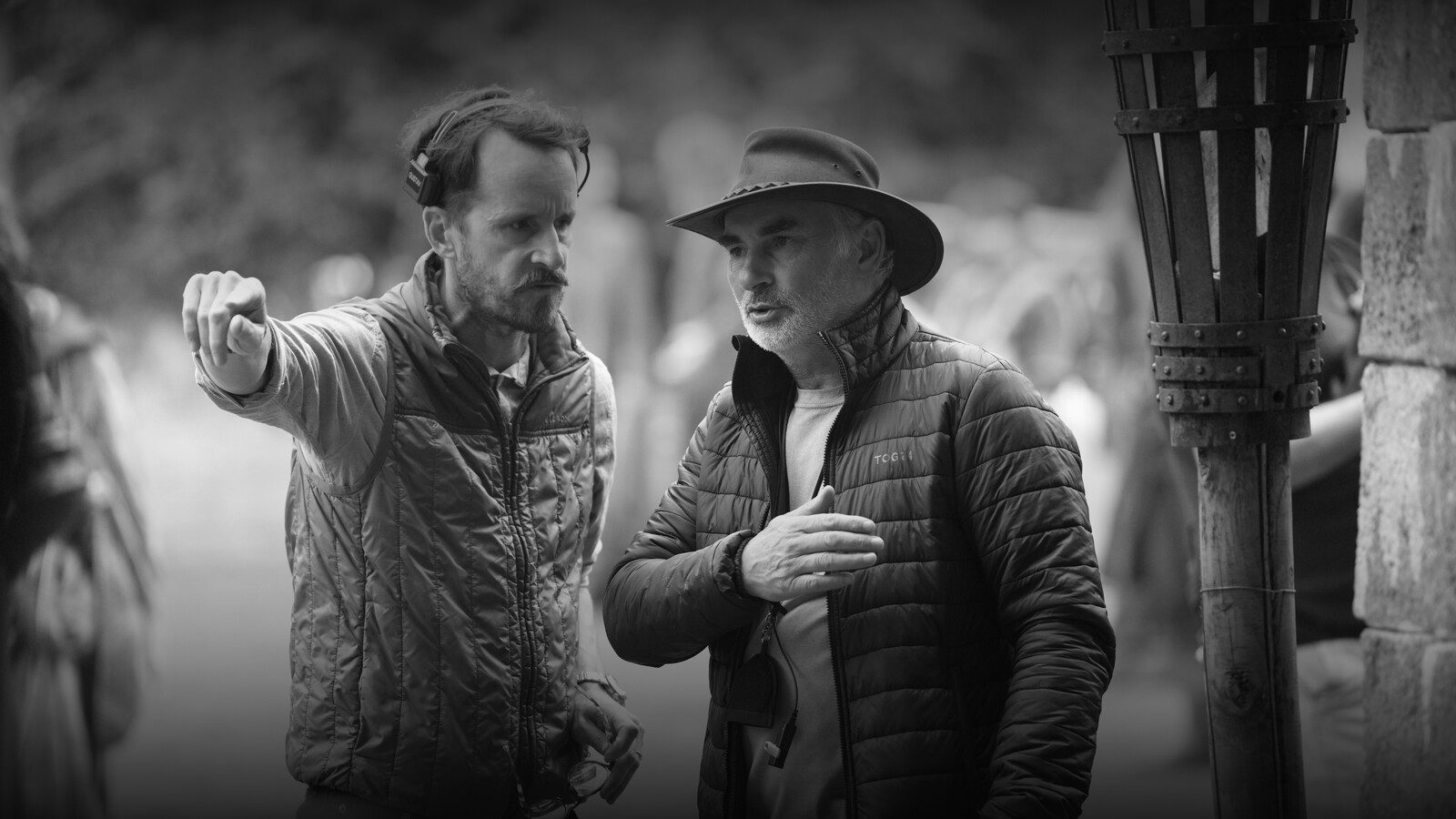
If you're fearing for Dunk's life, that's enough. You don't have to burn a full city with dragons.
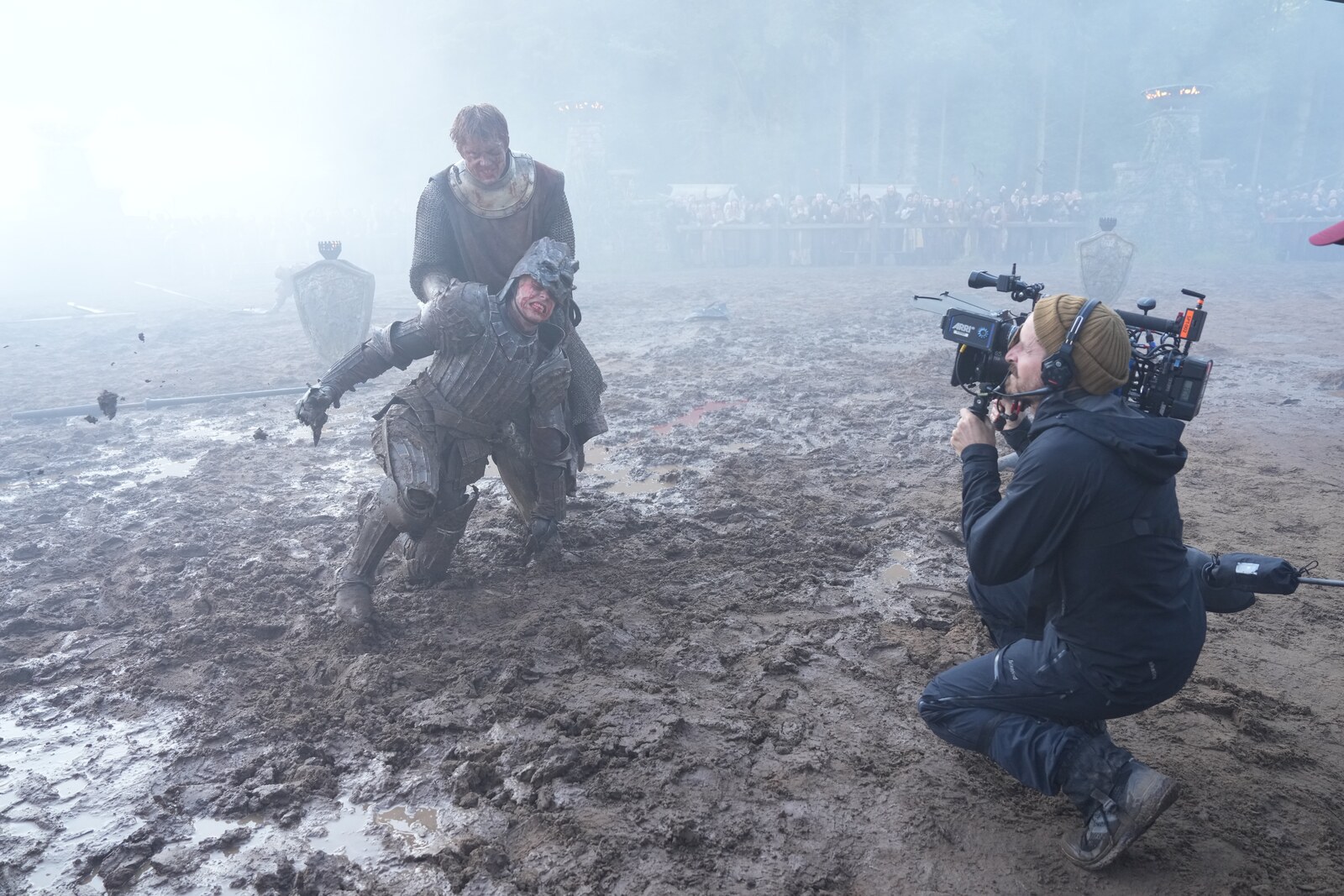
Gustav Danielsson, FSF got the job by text message. "Do you wanna shoot a sequel to Game of Thrones?" arrived from director Owen Harris, who had made San Junipero with him, and it landed while Danielsson was at home rewatching the original series with his kids and buying them the board games. He cut short a show in Sweden to take it. The result, A Knight of the Seven Kingdoms, is HBO's return to Westeros at a fraction of the usual scale, and it earned him a 2026 Emmy nomination for cinematography.
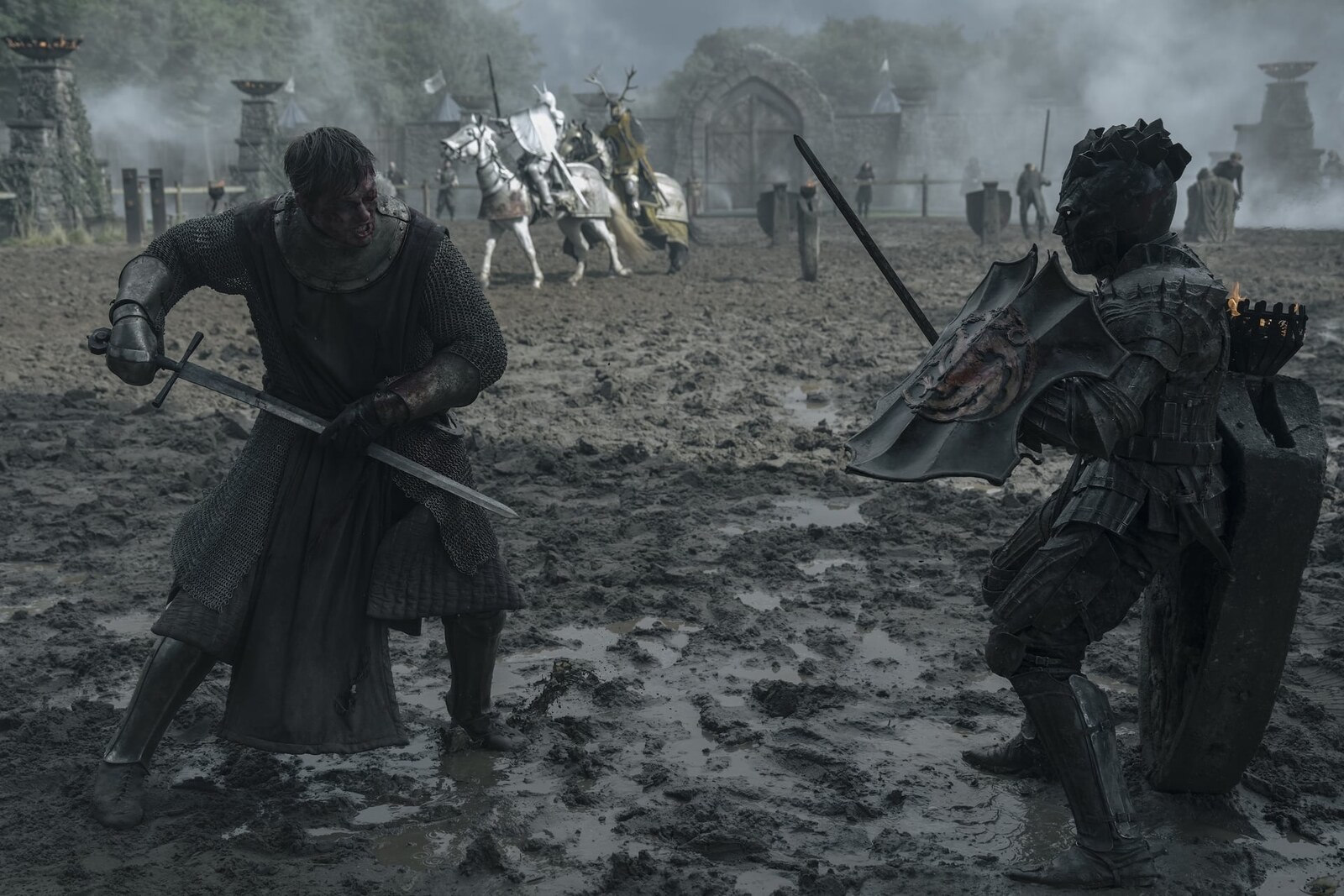
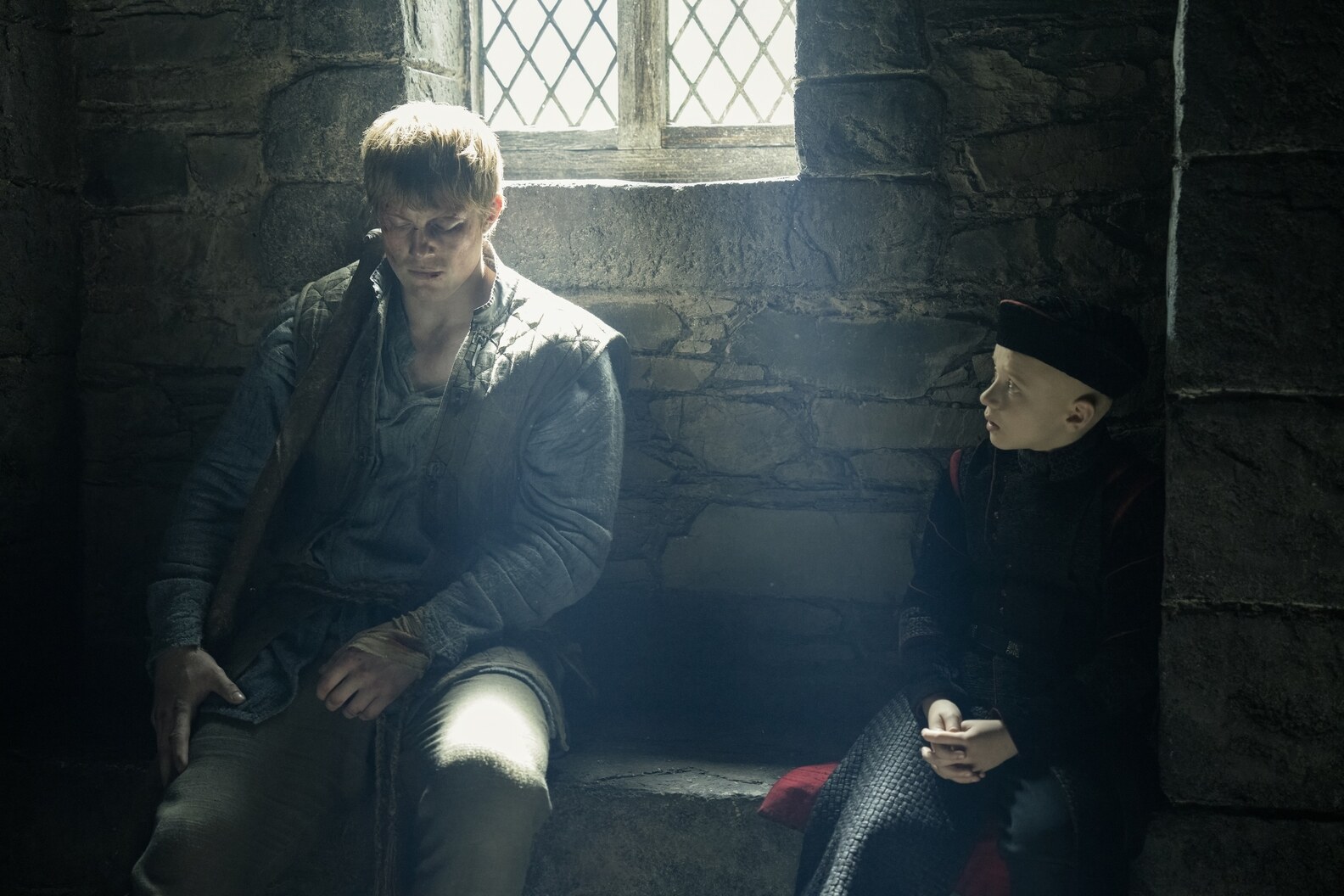
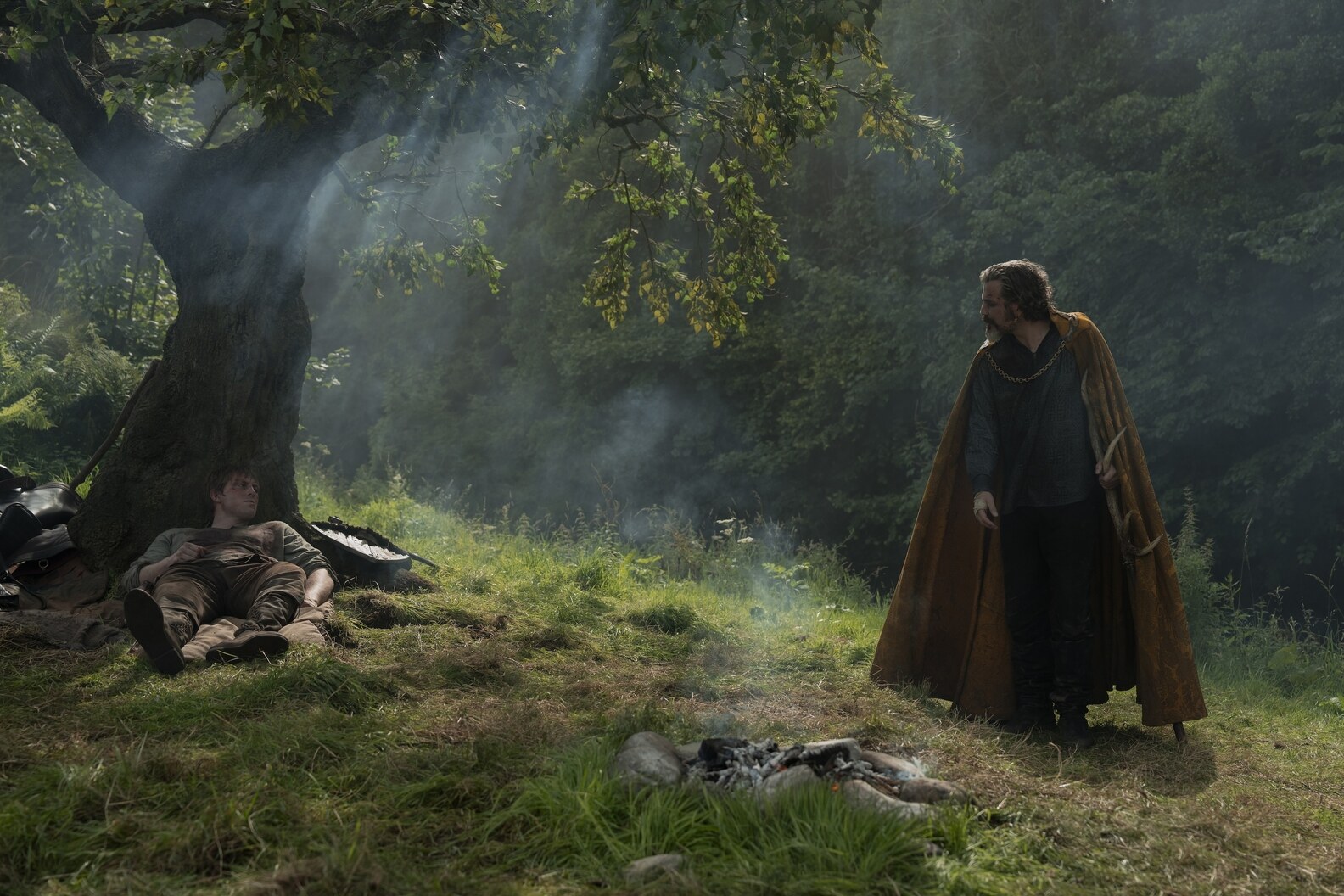
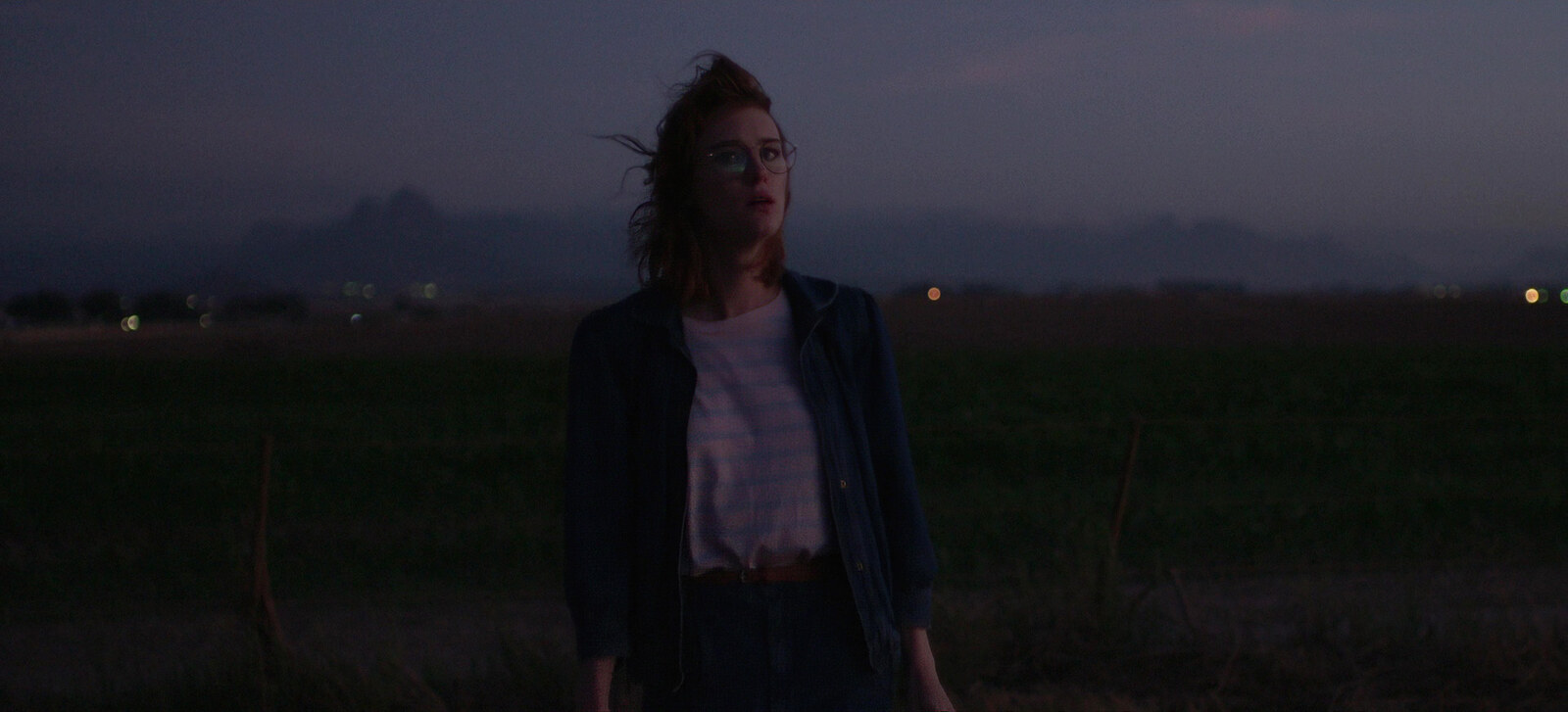
He and host Jared Levy work through how you make a two-hander feel as large as a war on a budget that rules out burning cities. Night scenes pushed into the half hour of real dusk, the same trick he used on San Junipero because South African nights go completely black. An Alexa Mini LF shot at 3:2 and squeezed to 2:1 on Panavision Ultra Panatars, whose 1.3x squeeze fills almost the whole sensor, with faster Panavision VA spherical primes held back for the scenes a single double-wick candle had to carry on its own. Every flashback on one de-tuned Panavision T Series lens built for Super 35 and run on a larger sensor, so the image falls apart at the edges on purpose. Firelight from a bank of up to 48 photo flood bulbs that gaffer Seamus Lynch built and named the Dalek, programmed against video of a real fire. And the afternoon an oven on set caught fire for real, which Danielsson spent a few seconds trying to dim.
-
Gustav Danielsson, FSF
-
Jared Levy
-
David Kruta
-
Topher Hammond
This episode is made possible by Fujifilm.

The work stays free. Someone still pays for it.
Every episode, every article, and both of the Resources tools are free to use. No paywall, no membership fee, no login. That is not a growth tactic, it is the whole point: learning to light a scene should not depend on what you can afford.
Sponsors cover part of it. The rest is people chipping in.
Monthly or yearly, from $5 a month, less than the price of a coffee. It costs real money to keep the podcast, the writing, and the tools running, and supporting is what covers it.