
A salon, in the original sense.
What is a salon?
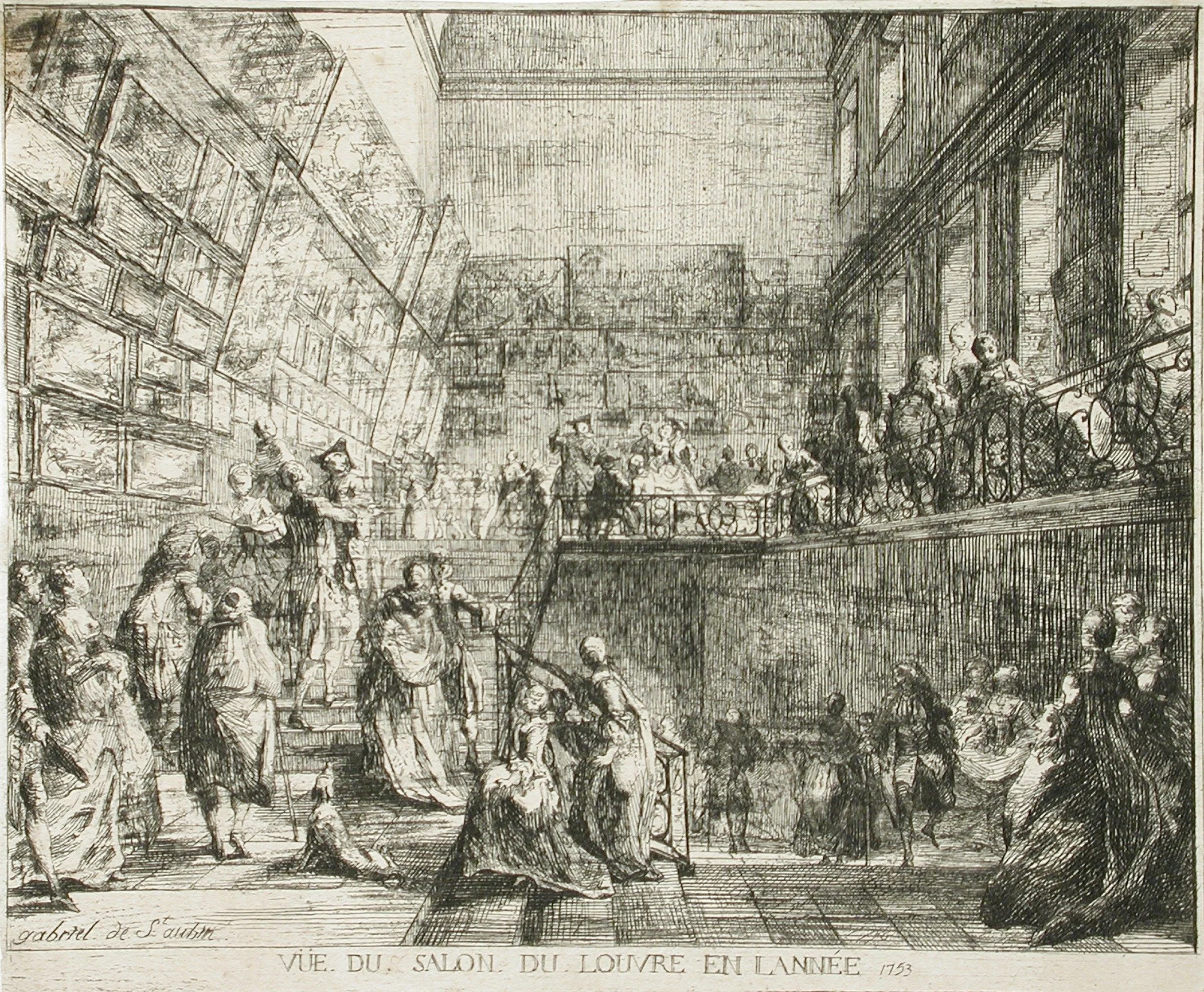
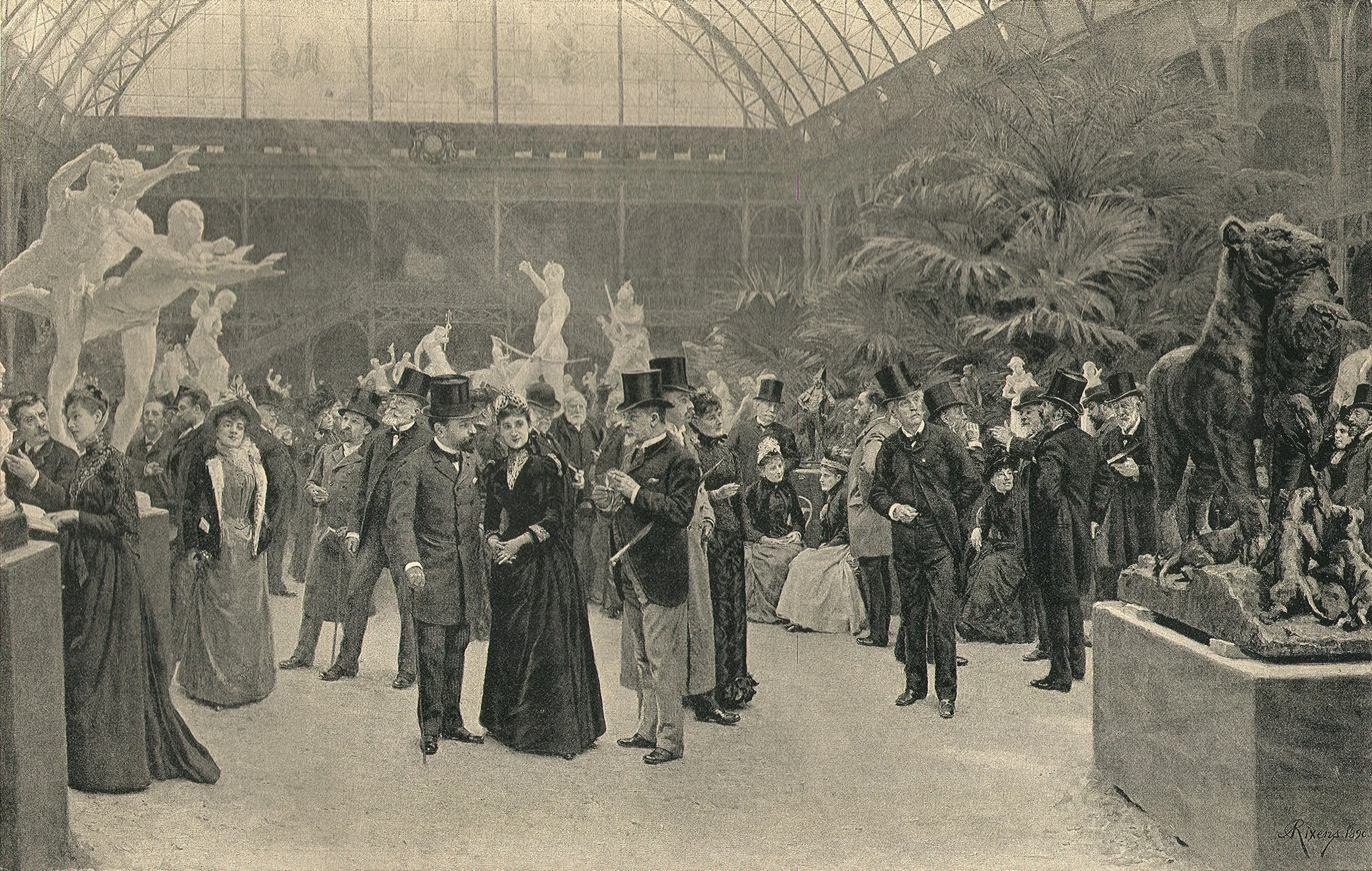
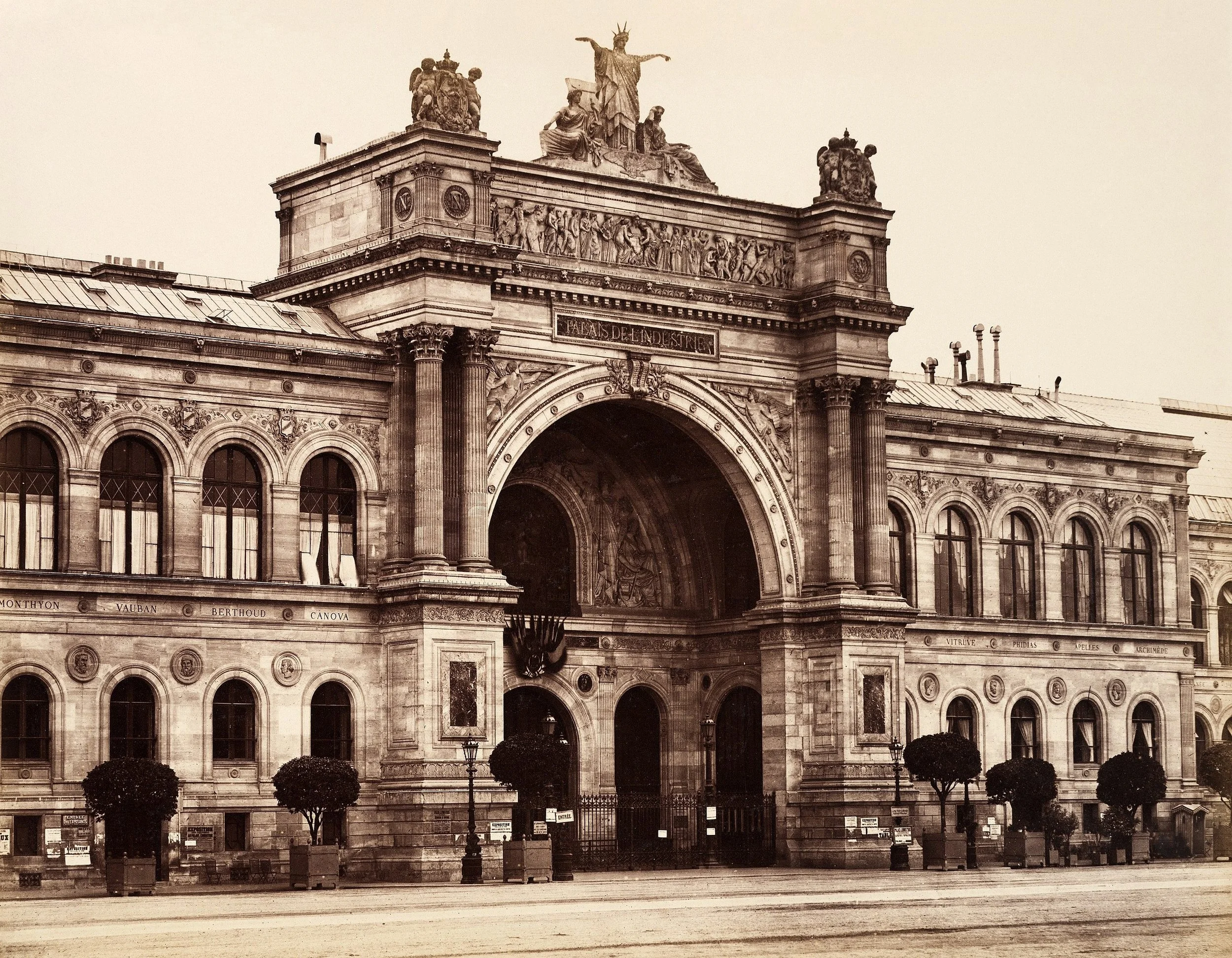
Art salons have been held in Paris since the late 17th century as public exhibitions of artworks. The French Royal Academy of Painting and Sculpture sponsored the official events, which were highly conservative and imposed strict rules on style, subject matter, and technique. They were held in the Louvre Palace's salon carré, which gave them their name.
Some innovative and independent artists felt excluded or rejected by the jury, leading them to create their own alternative exhibitions, which became known as art salons. These were often organized by associations or groups of artists who shared a common aesthetic or political agenda.
We borrow the name on purpose. A salon is a room where the work is brought, looked at closely, and argued about by the people who made it.
A community of cinematographers.
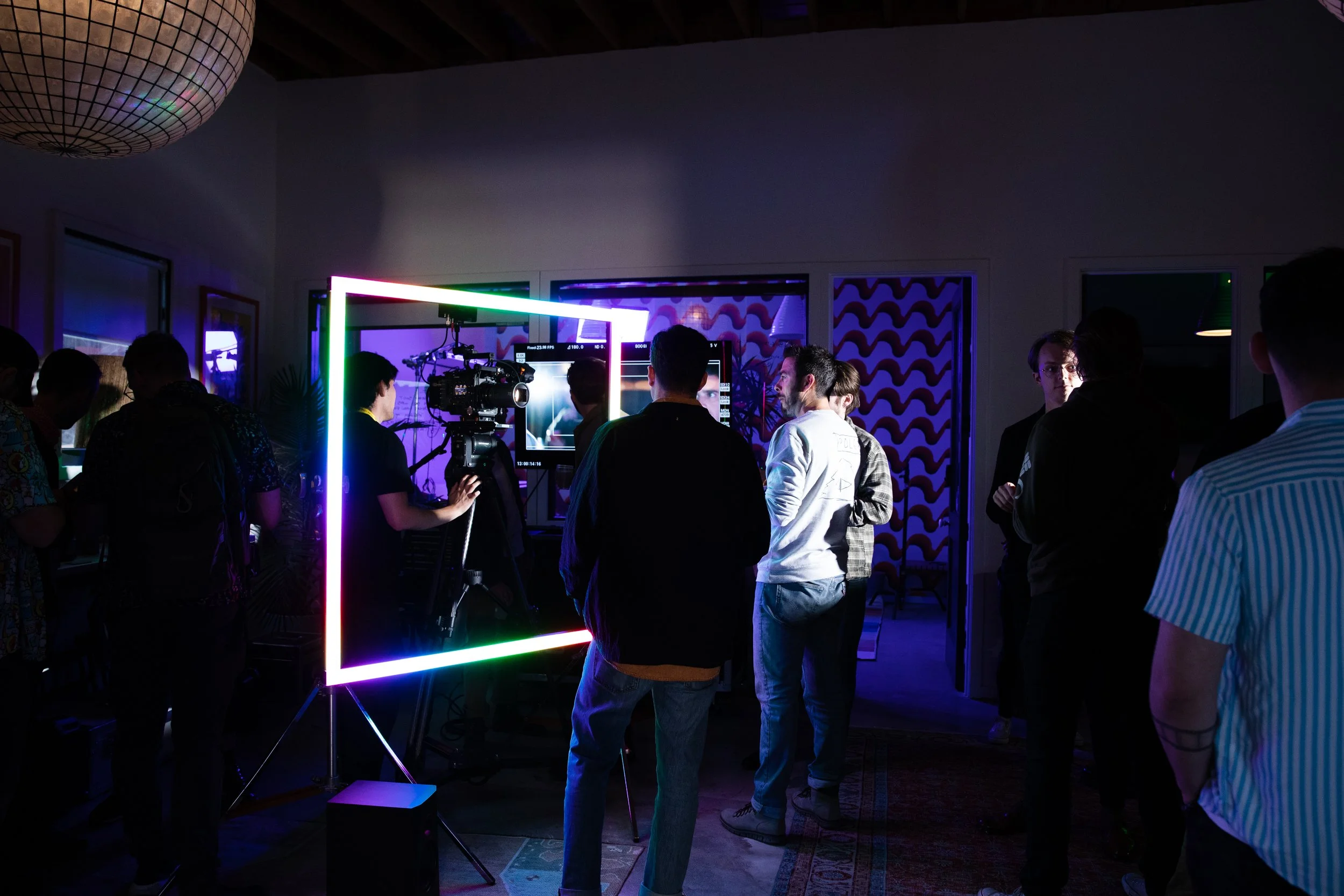
Cinematography Salon is a community of cinematographers, ACs, colorists, and adjacent crafts. We talk about light, lenses, and the practice of making images, and more than anything, we talk to each other. The podcast archive holds the long-form conversations. The community holds the rest.
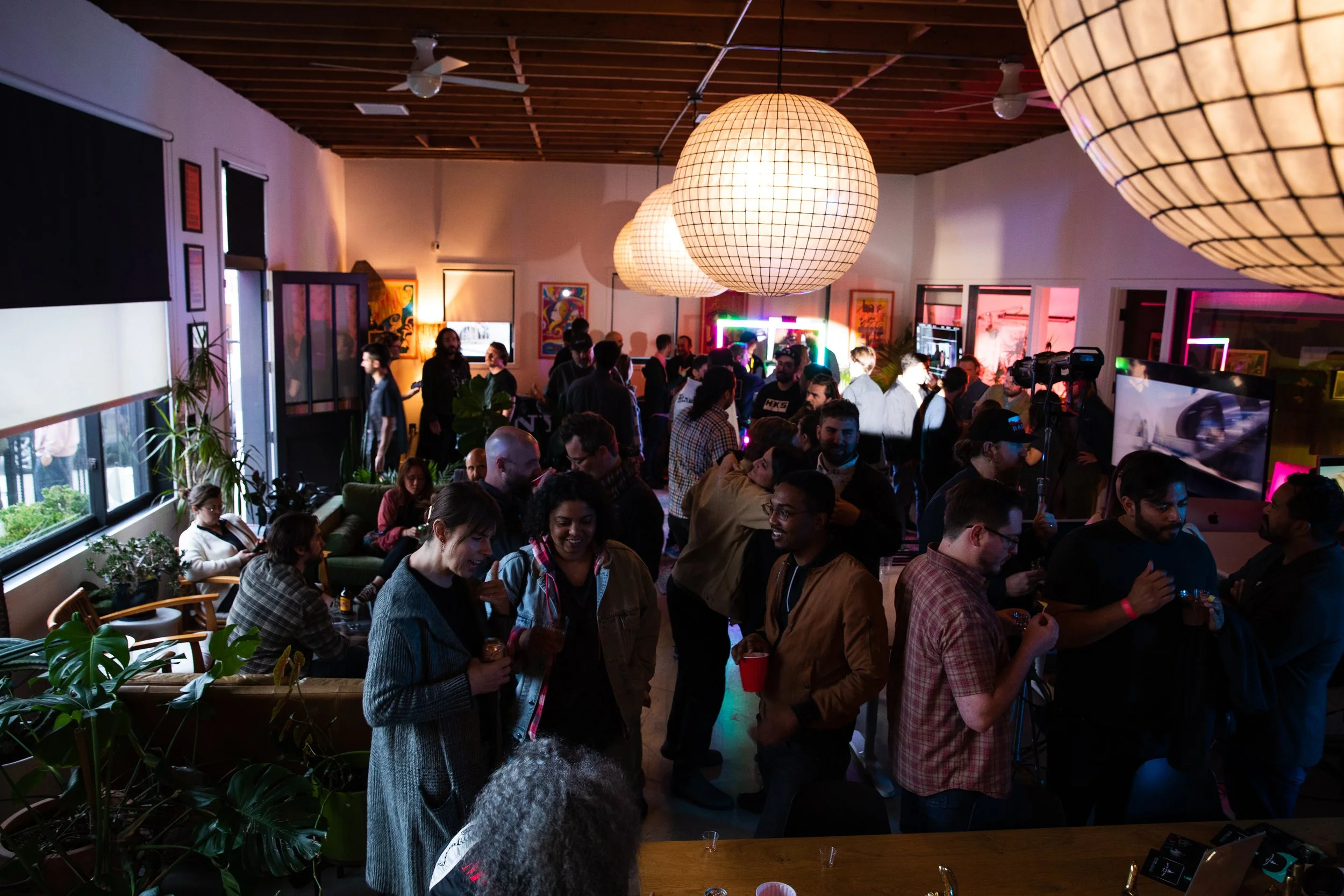
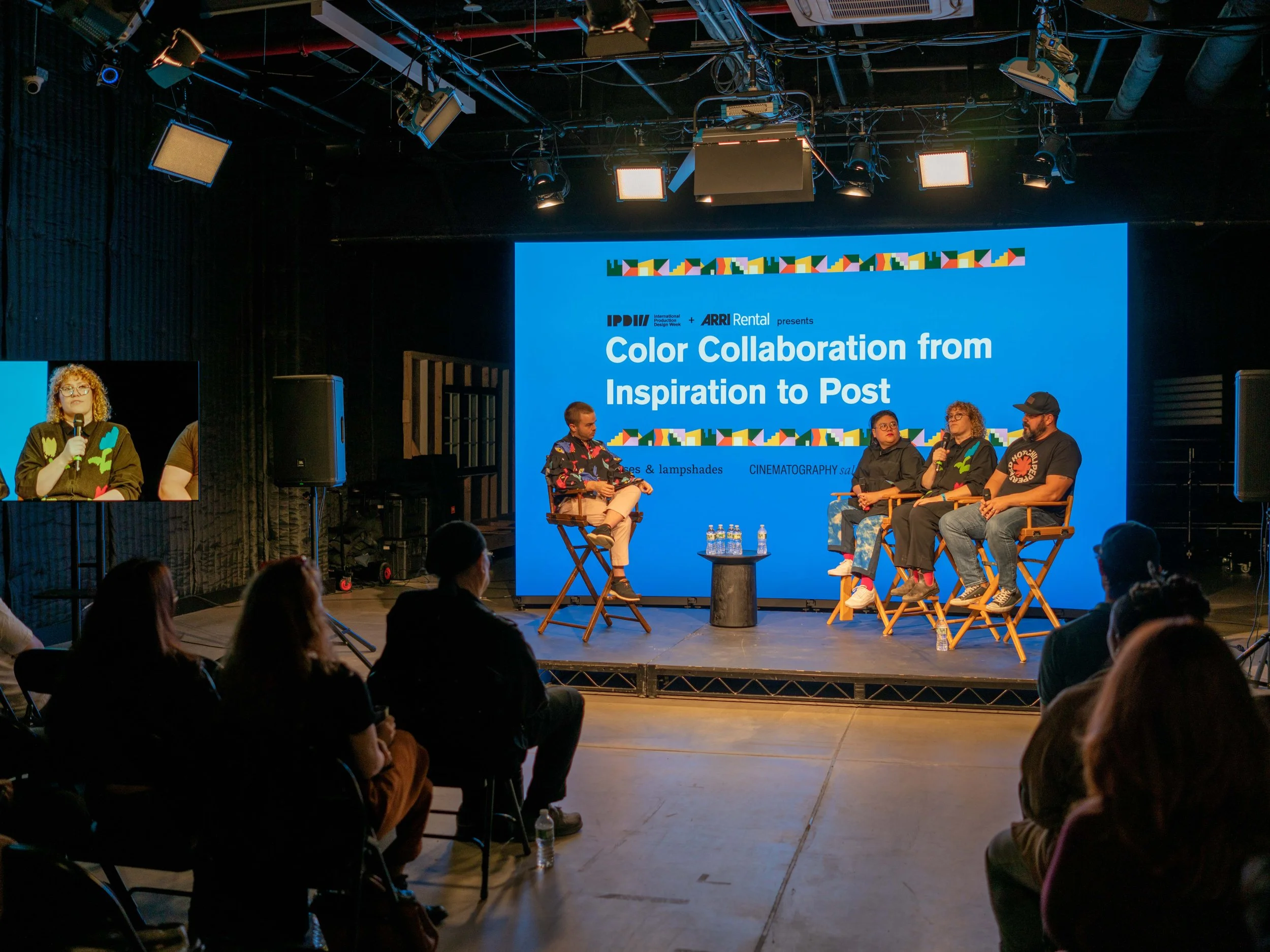
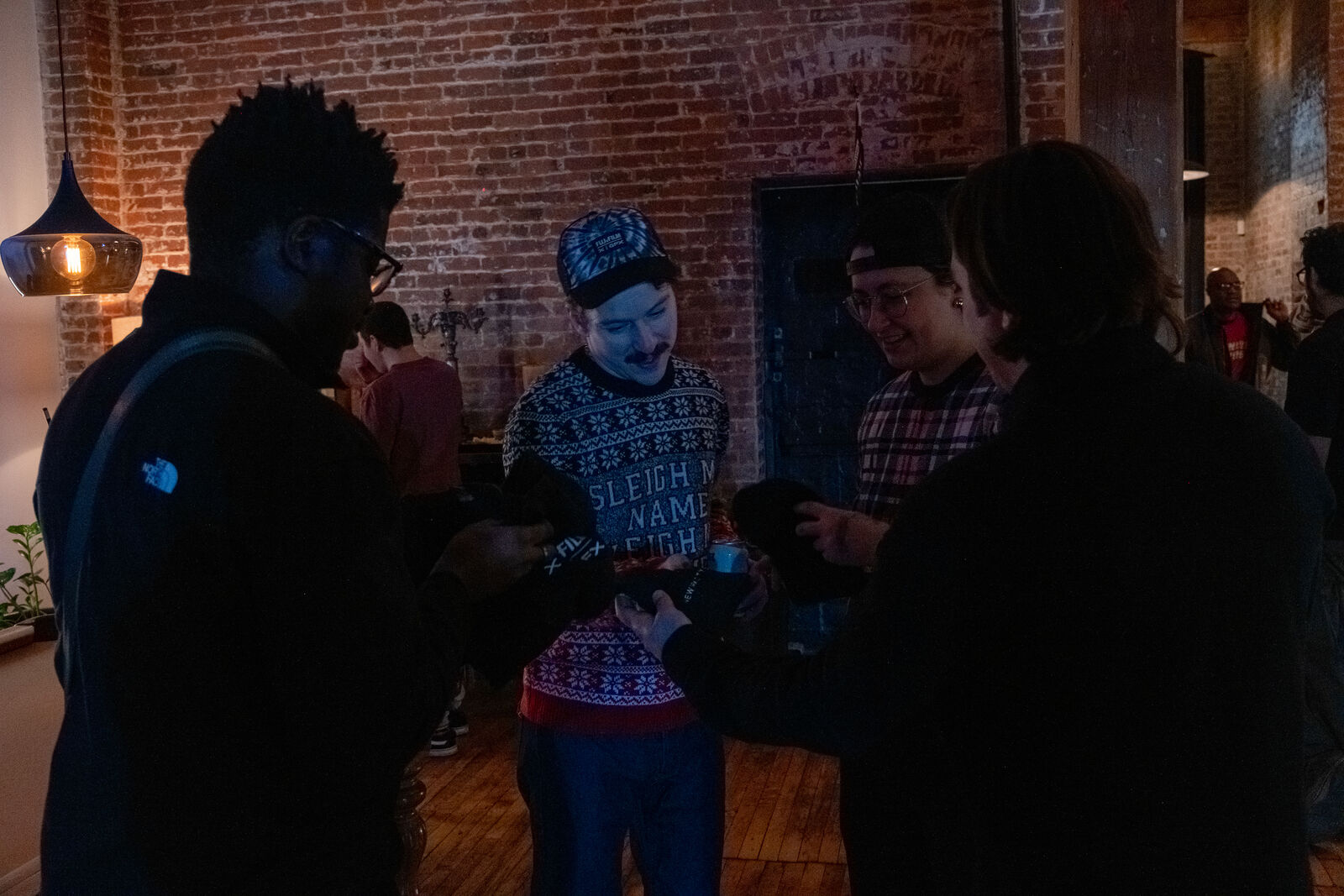
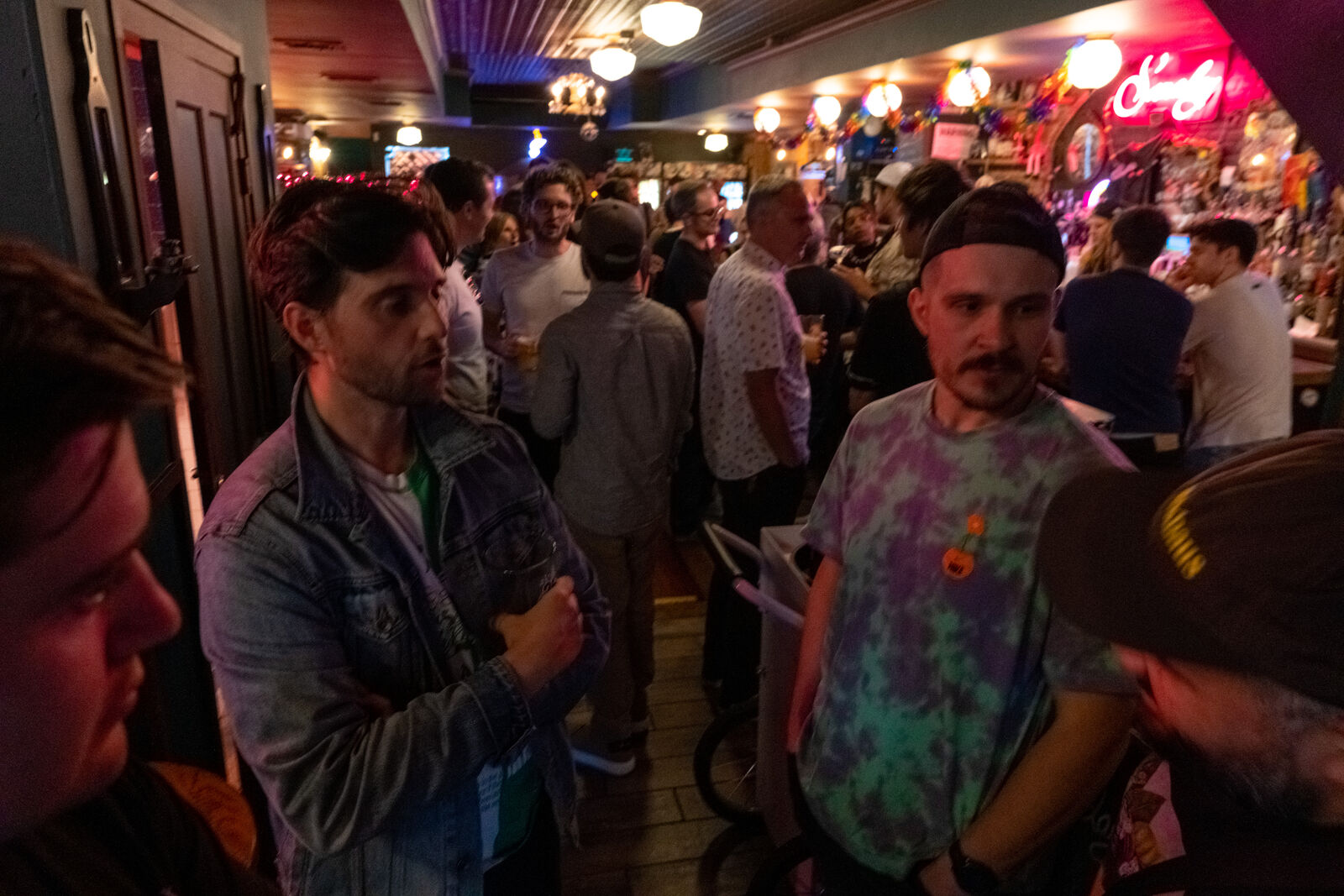
Free, and open to everyone.
Everything the Salon makes is free. The podcast, the events, the tools, the writing. No paywall, no membership fee, no login. That is not a growth tactic. It is the whole point.
Cinematography has quietly become one of the harder crafts to break into. Cameras, film school, and rent all cost more than they used to, and rates have not kept up. The people with the most to bring to this work are often the ones who can least afford to buy their way in.
We think education should not depend on what you can afford, and that everyone deserves the same access to it. For a hundred years you learned this craft from a stack of American Cinematographer and whoever on set was generous enough to explain a setup. We are trying to keep that door open, and to hold it open wider.
The Salon runs on sponsors and on people who chip in. That is what keeps it free for the next person who needs it.
How we got here.
The Salon started in 2015 as a small group of working cinematographers trading notes between jobs. The podcast came in 2023, sponsorships and events followed, but the idea is older than any of it. It is the conversation the founder wished existed, finally finding its way into public.
In August 2026 the podcast came back with a new host, Jared Levy, and a new format: one film or series per episode, prep through the final grade, with the cinematographer who shot it. The full catalog stays here. The community continues. New chapters get written.
Started by a working cinematographer.
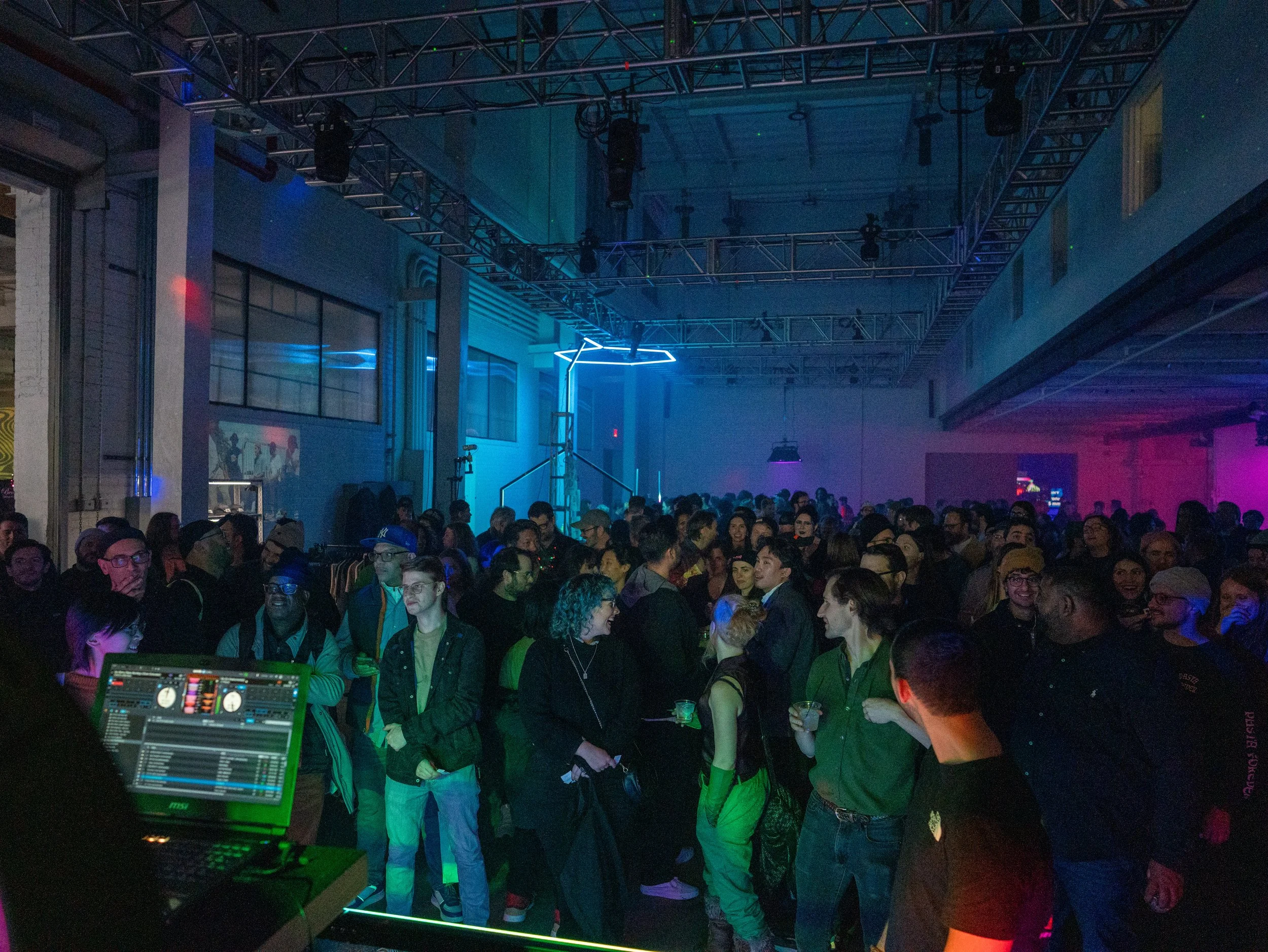
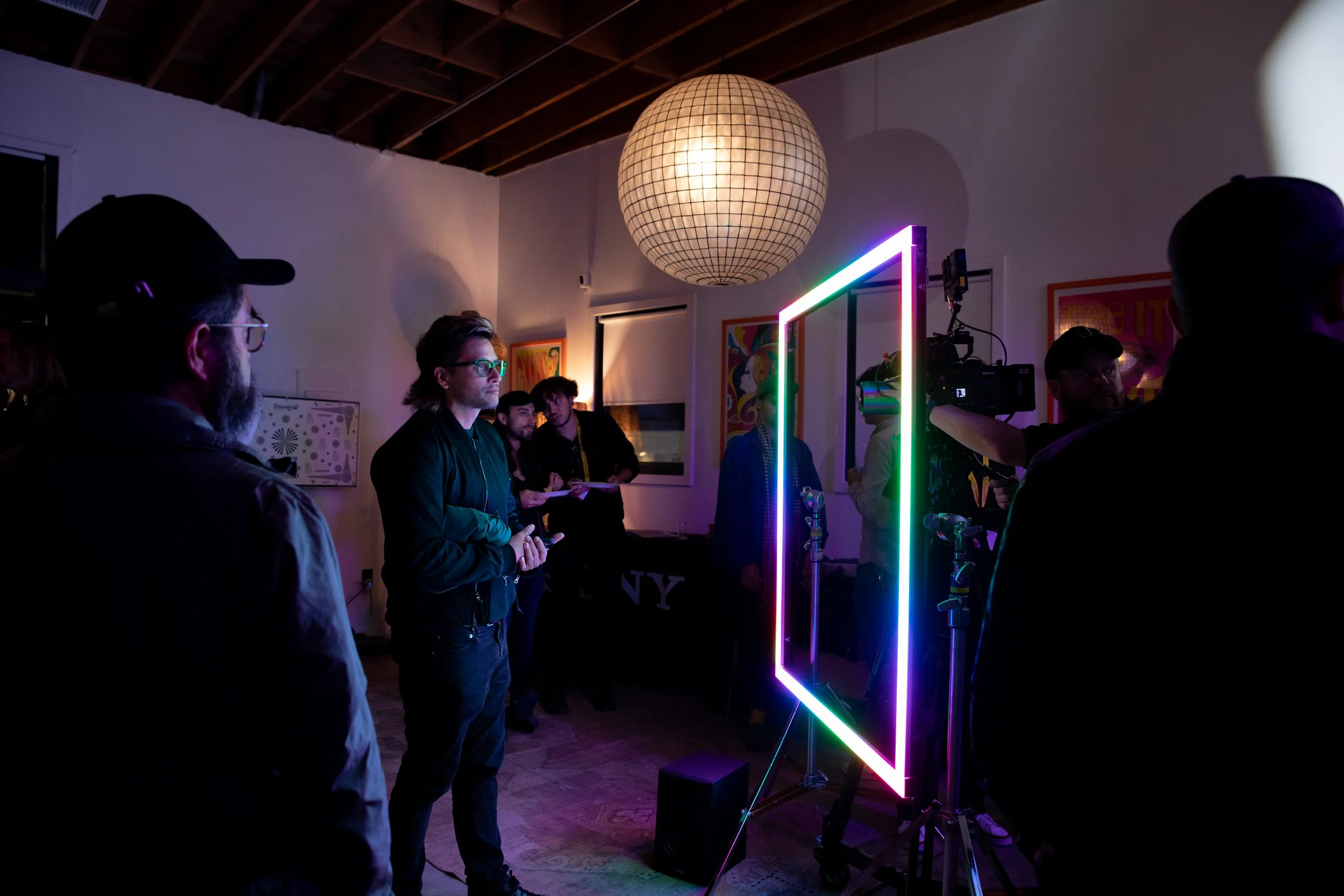
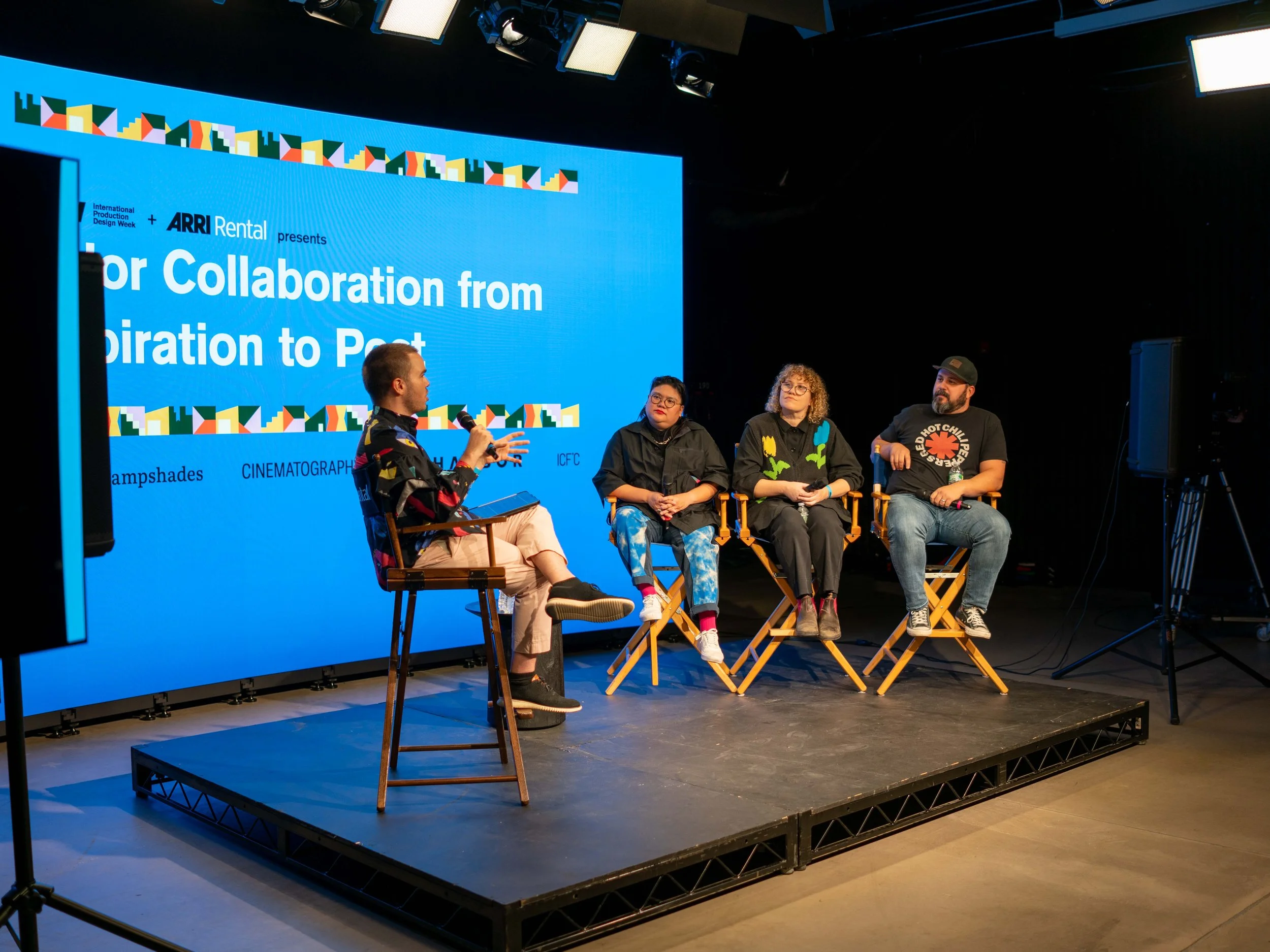
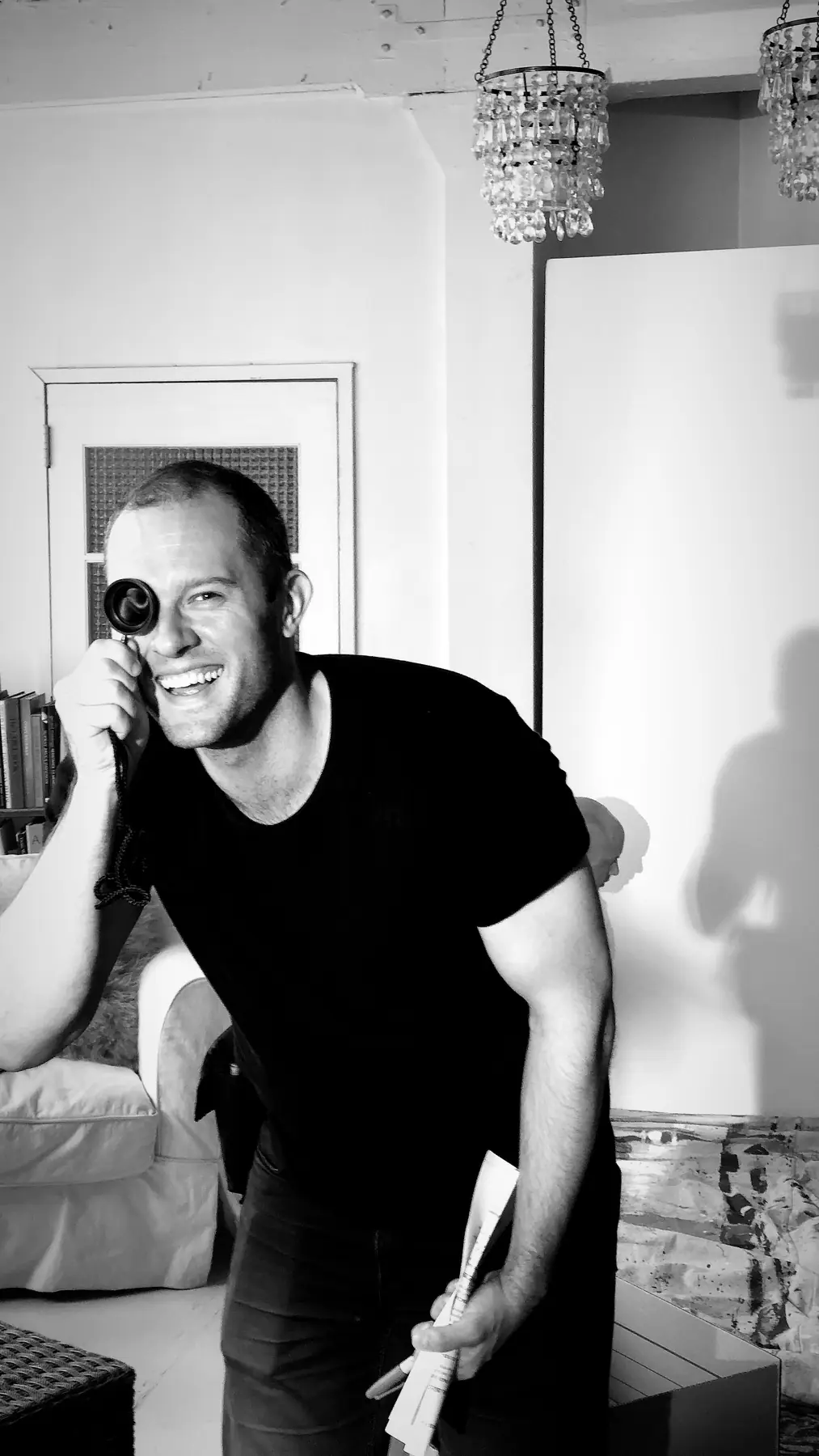
Cinematography Salon was founded in 2015 by David Kruta, a cinematographer who wanted the kind of salon described above to exist for real: a place for working DPs to trade notes between jobs. What began as small meetups grew into the podcast, the events, and the community it is today. David still runs the Salon, with Topher Hammond producing alongside him and Jared Levy hosting the podcast.
He works between New York, LA, and Boston. His credits include Agent Game (Mel Gibson, Jason Isaacs), Orion, and METANOIA (David Dastmalchian), alongside earlier features including the Sundance selection Concussion and The Sounding (Haskell Wexler Award for Best Cinematography). He is a two-time Emerging Cinematographer Awards recipient and a 2023 to 2024 ASC Vision Mentee.
The free and open part is personal for him. David's family were political refugees from communist Czechoslovakia, fleeing Soviet rule, and they came to the United States with very little to their name. He grew up poor. That start left him with a belief he still holds: that knowledge and opportunity should be free and equitable, available to anyone, not rationed by money or the right connections. The Salon is his answer to it.
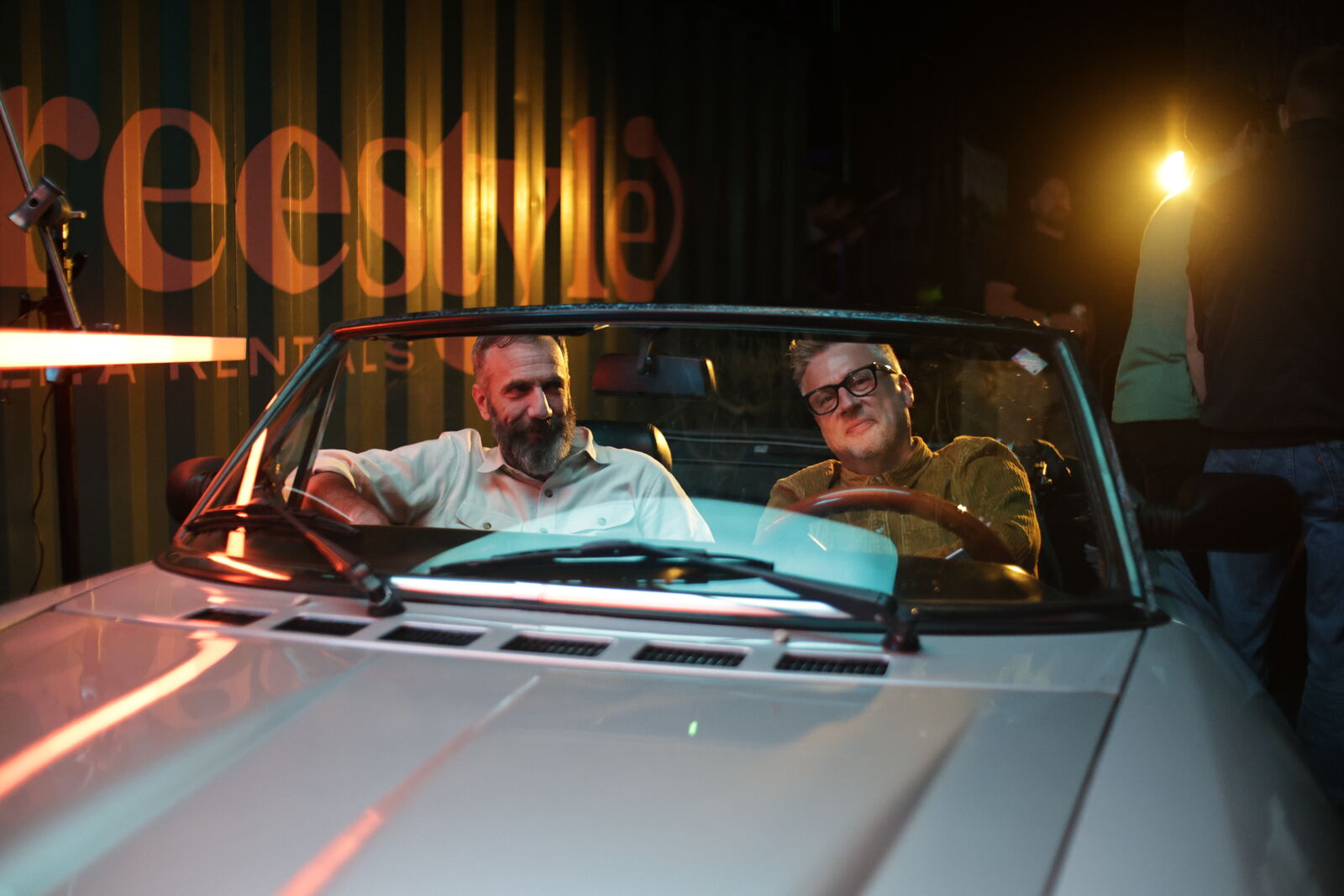
The work stays free. Someone still pays for it.
Every episode, every article, and both of the Resources tools are free to use. No paywall, no membership fee, no login. That is not a growth tactic, it is the whole point: learning to light a scene should not depend on what you can afford.
Sponsors cover part of it. The rest is people chipping in.
Monthly or yearly, from $5 a month, less than the price of a coffee. It costs real money to keep the podcast, the writing, and the tools running, and supporting is what covers it.