
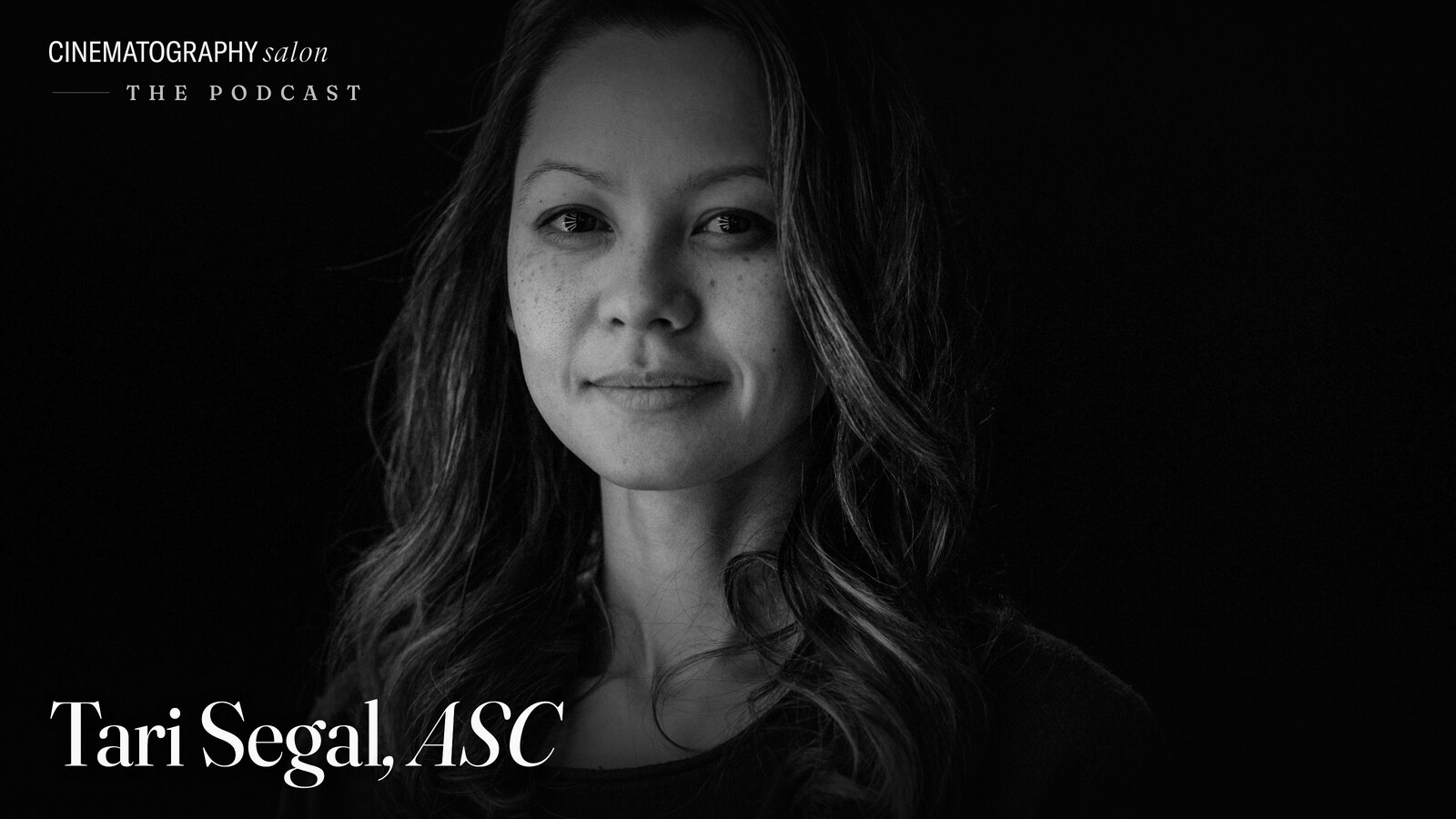
Tari Segal, ASC: Three Days on the Strip for Margo's Got Money Troubles
Basically, the chandelier isn't even on. When we go in close, I'm actually lighting it.
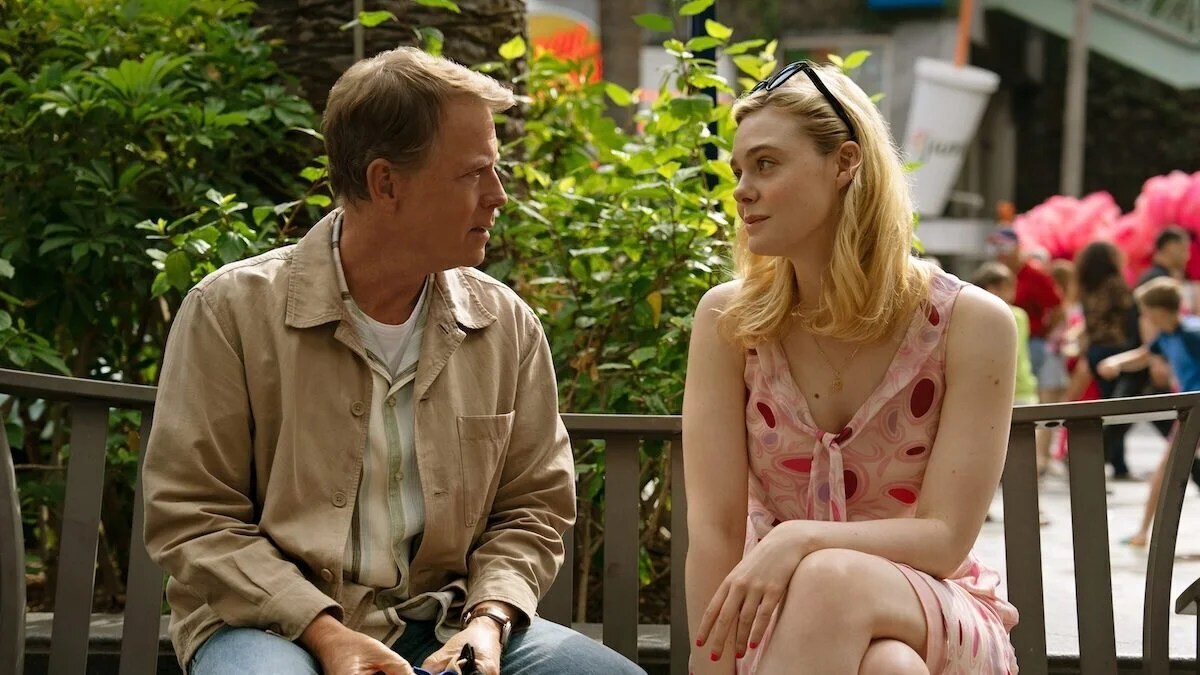
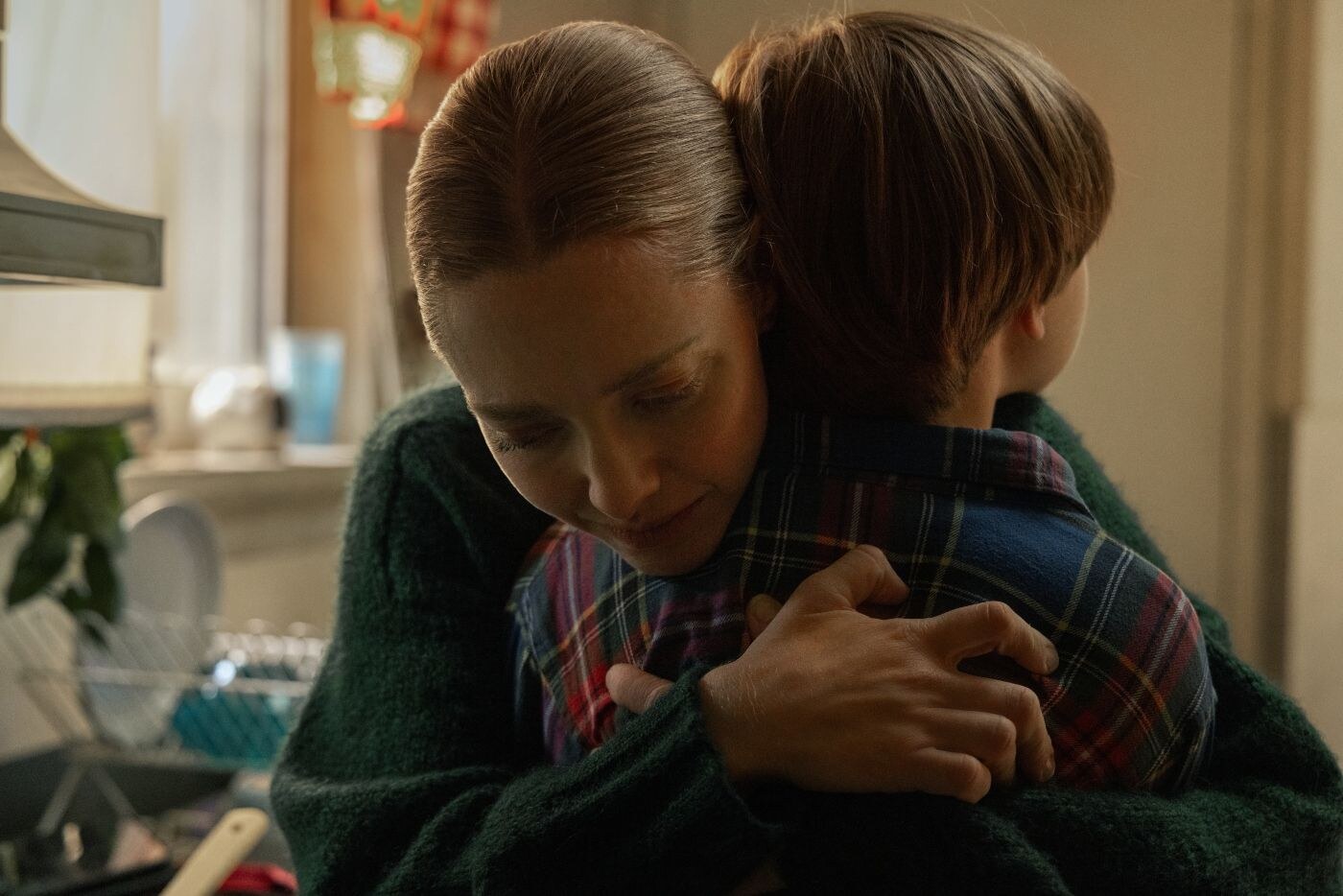
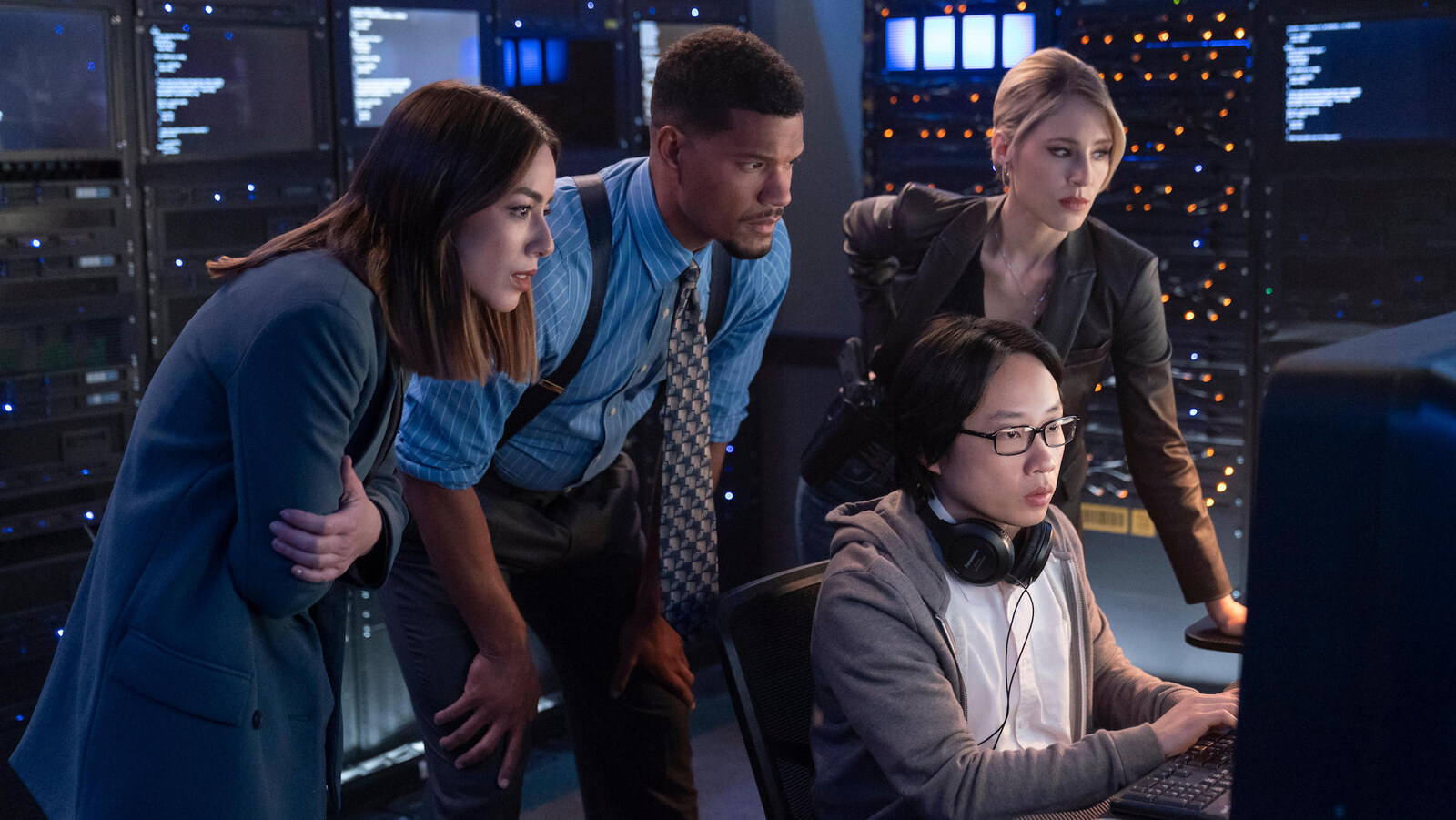
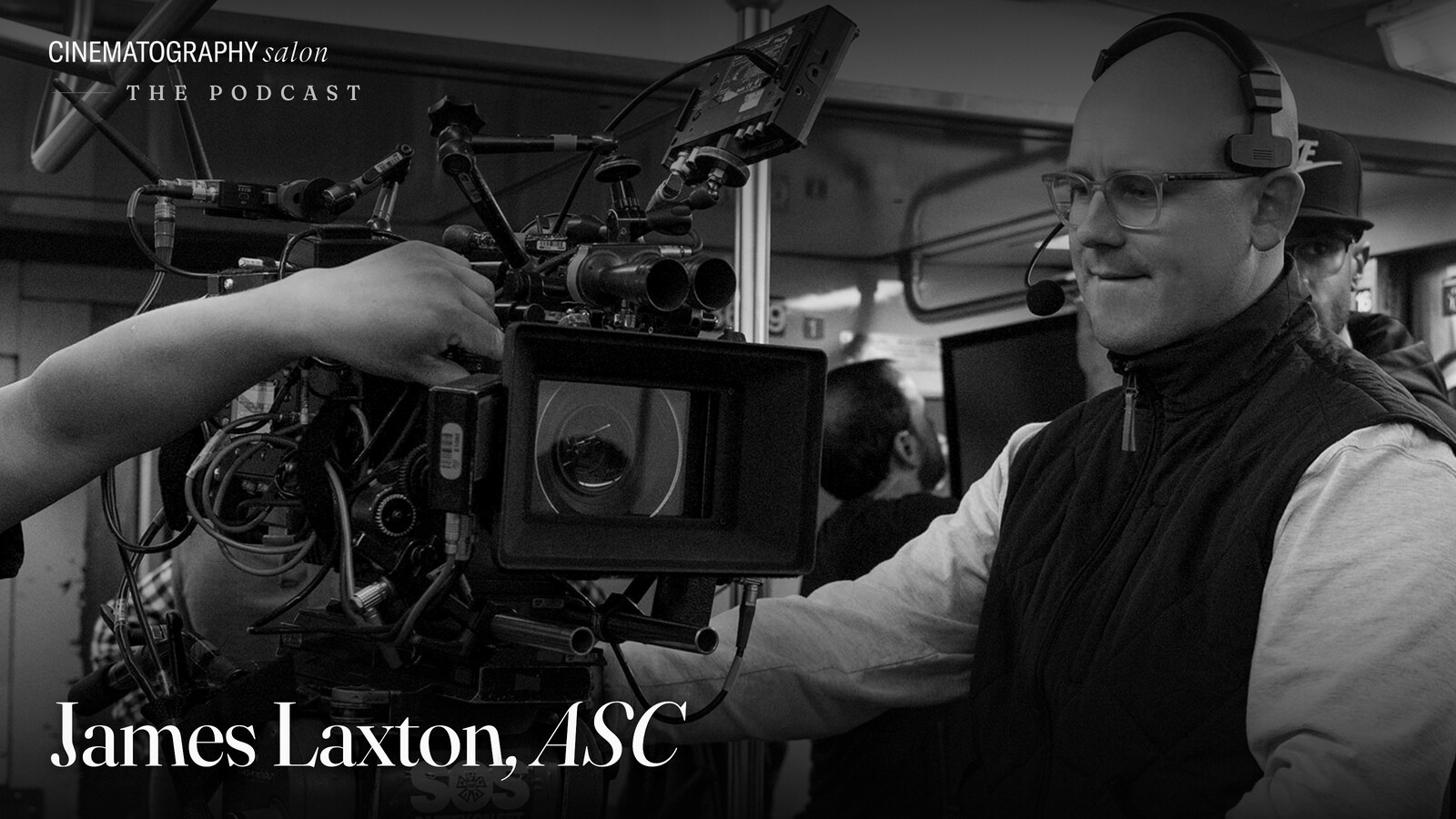
When Tari Segal, ASC, took over the Las Vegas block of Margo's Got Money Troubles, the A24 series for Apple TV adapted by David E. Kelley from Rufi Thorpe's novel, she had three days and a working casino floor on which to extend a look someone else had established. It is the episode that earned her an Emmy nomination, and in this conversation with host Jared Levy she is candid that the shoot ran closer to triage than choreography.
She walks through the problems in order. Faking a dead chandelier with PAR cans on the floor of a heavily tinted steakhouse when the circuit blew near sunrise. Building a full WrestleCon arena in a day and a half for Nicole Kidman's first day on the show. Putting Margo full frame through the then new ARRI Hero lenses so the world melts around her during the OnlyFans sequences. Negotiating a single 30 minute rotation of the High Roller observation wheel, its camera synced to a second unit shooting Nick Offerman a block below.
It is an hour on solving the unsolvable to a television schedule, and on the crew that made it fun, espresso martinis after wrap included.
-
Tari Segal, ASC
-
Jared Levy
-
David Kruta
-
Topher Hammond
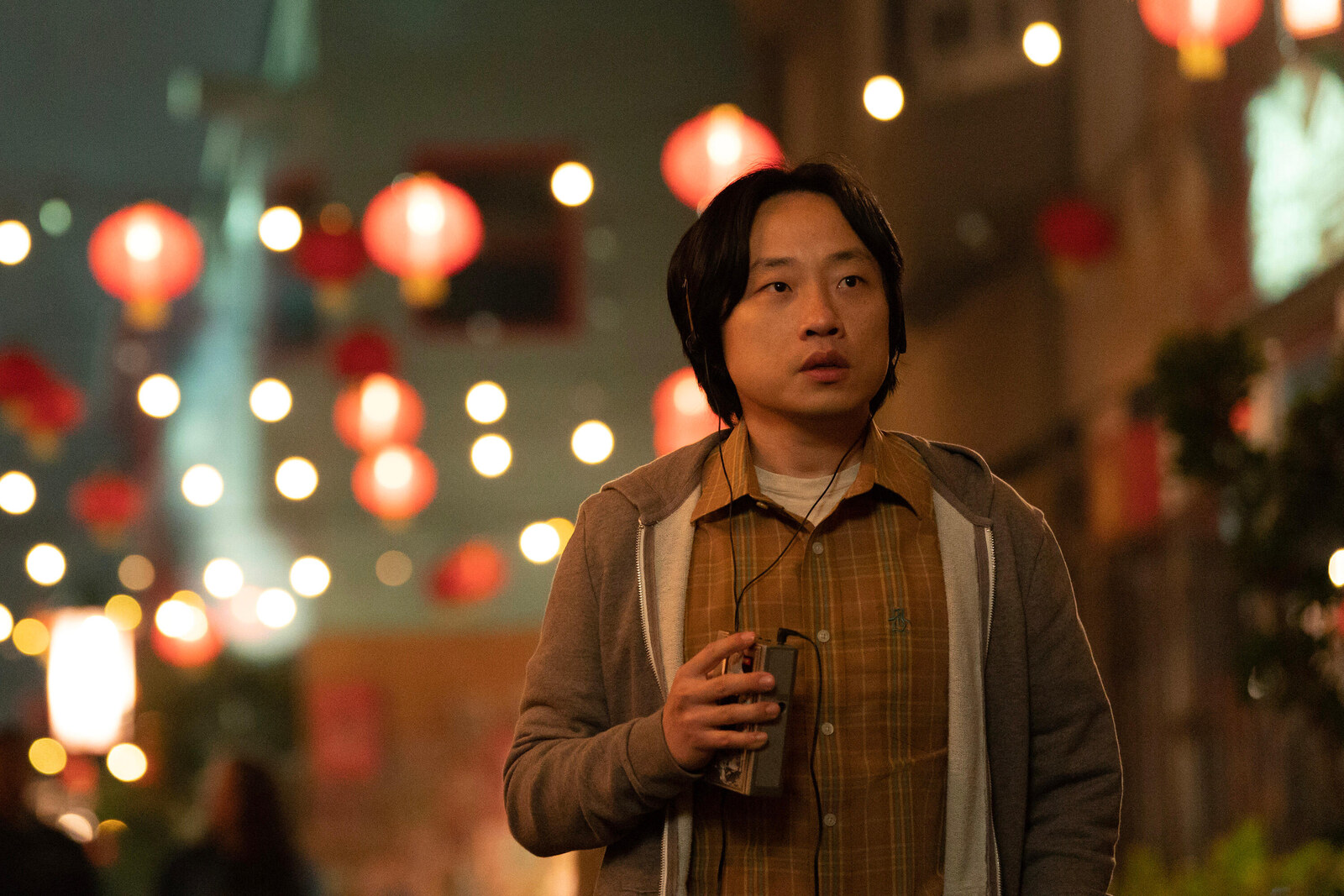
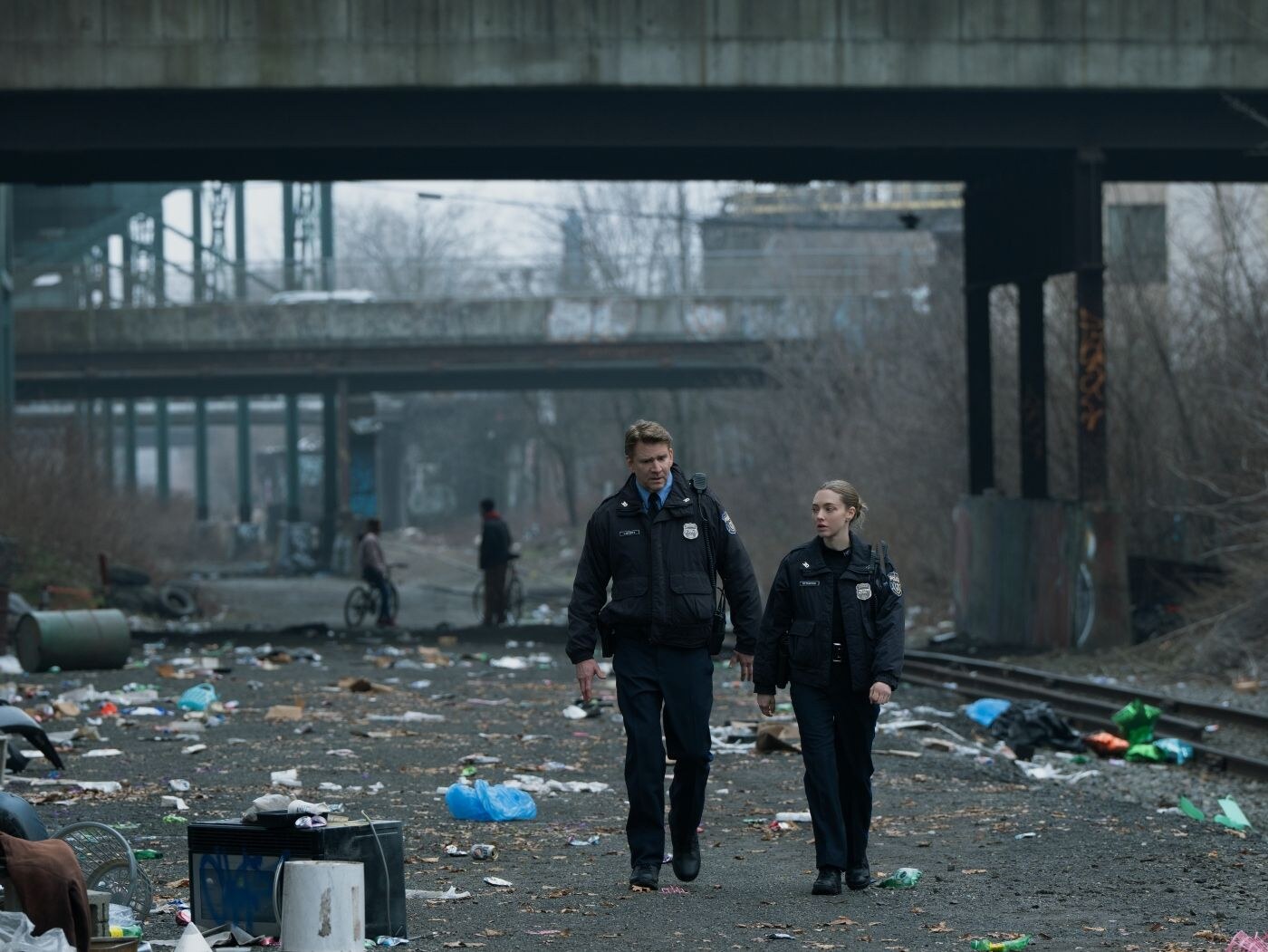
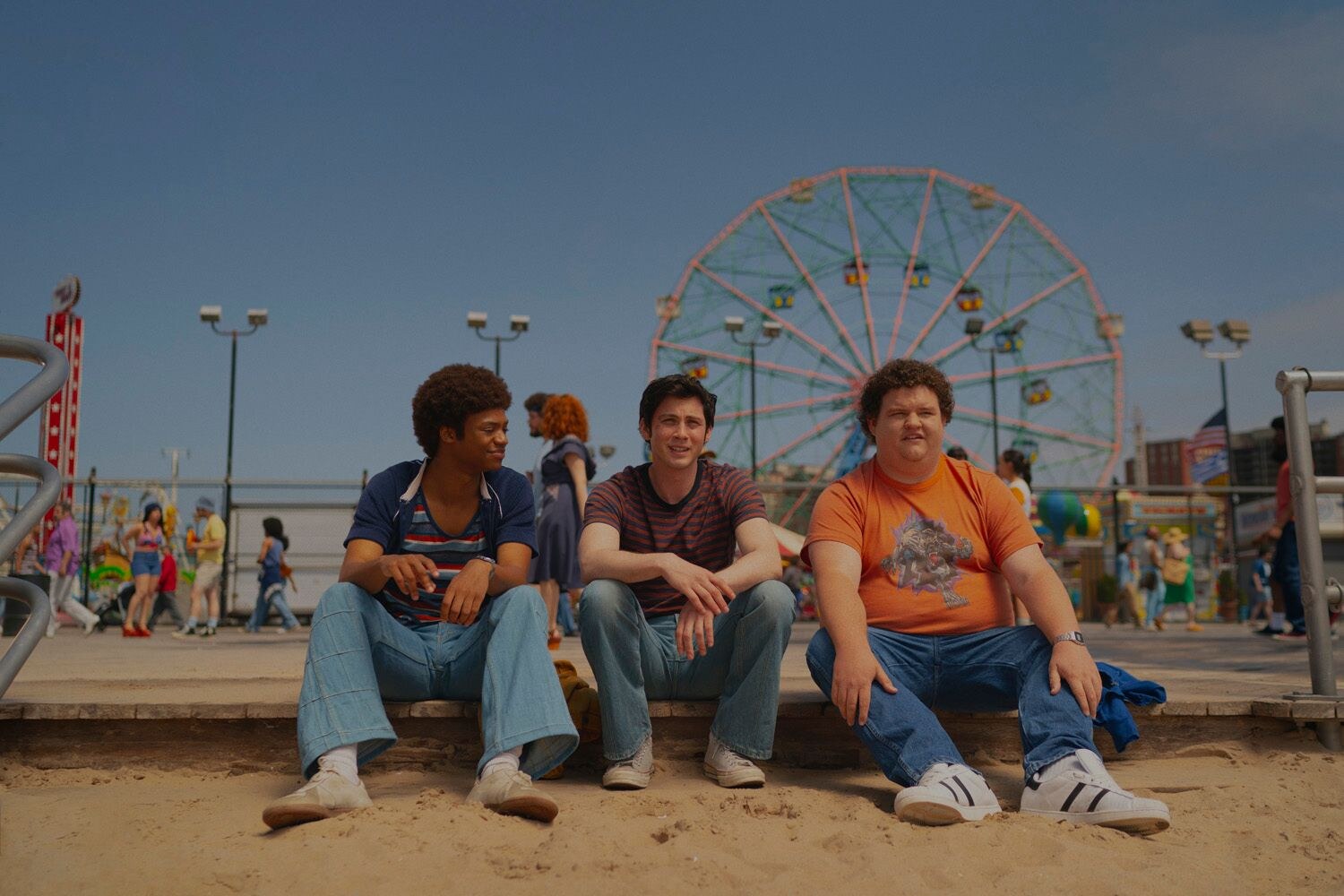
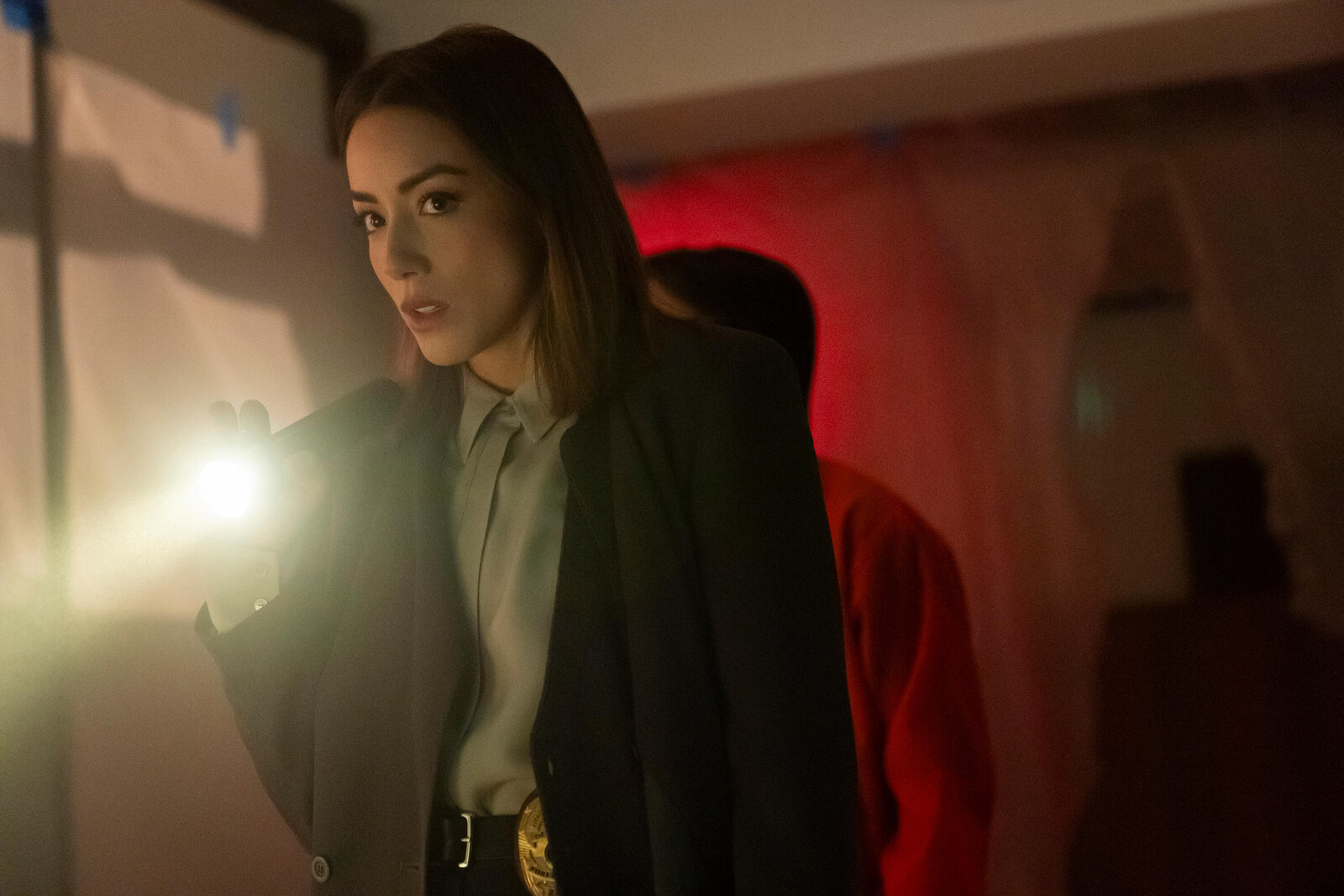
Read the full conversation
So first off, it's a pleasure to finally be speaking with you. I feel like I've been following your work for a long time, and I'm really excited to chat, especially now that you are nominated for an Emmy for this episode of Margo's Got Money Troubles. I wanted to start off from the beginning with how did this job come to you? And I know that Carl Herse had shot the pilot, so I was curious if that aspect played into you coming onto the job, and if so, how, and if you've shot alongside him previously. What was that whole starting point for you?
Yeah, well, I had shot a series called Interior Chinatown with a writer named Eva Anderson, and she was the co-showrunner for Margo. And so she's the one who kind of brought me into the show, and I met with everyone, and we totally hit it off. And that's how I ended up meeting Carl. I didn't know him beforehand, which was really kind of interesting because we went to the same school and we know the same people and the crew, I knew some of the crew beforehand as well that he had brought on. So it was kind of cool because then we were able to connect on another level just being fellow Chicago Columbia College people which there's a whole family of us in LA. So it kind of was fate sort of that brought us together.
And when you first started the conversations, what are they like when the pilot and the look is set by another DP? How are you guys talking about the show together initially?
Well, every show is different in that regard. And some collaborations are better than others. And this one I was just blessed and grateful that Carl is such an open collaborator in general. And I think we were talking a lot about how the show sort of takes on its own sort of life through the different episodes. And he sort of was like, this is... Him and Dearbhla were just talking about the first episode, and the story changes so much after a pilot episode, 'cause then the story really gets going. And we hung out in Los Feliz over some drinks and just kinda talked about all the things that he was thinking of and that we were also just trying to guess where the story was gonna go because you only get two scripts at a time. So we didn't really know where it was going, so that's sort of also why it's kind of a hand-off to the next person... And I think at the moment when I got the two scripts, that's when we started getting into wrestling, and that's when we started getting into OnlyFans and how we were gonna shoot that kind of stuff. And I would tell him that this is what we were doing or like that, and hand it off to him. And so it was kind of just a great, fun partnership on it.
Yeah, that's super interesting. I guess there's parts of it that each person owns almost because new storytelling aspects are coming into play depending on the episode but then there are things that are definitely stretching over the whole season. What were the things that he was defining in regards to aspects of the look that you knew you had to I don't know if adhere is the right word, but like that you needed to keep the same language, and like what were the things you were speaking about that... How does he define the language, and then what were you doing to maintain that, and how do you find your own ability to like make bold choices when you do have to work within a certain level of framework?
Yeah, I would say, I mean there's a lot to say about it. There's all these nuances that as a DP you just kinda know, but to like put it into words is a little bit more difficult. But I'd say like what he developed with Dearbhla was a language of possibility of the camera, and what the camera could do in telling the story with Margo. So the fact that it wasn't a straightforward way of capturing scene work and stuff, and moving the camera, and doing things where it's like we were giving an audience Margo's experience visually. Which is, it's a hard thing to describe, but it... And it's not an easy task to do, but the lens choices and how we, when we're framing her a certain way and going handheld and stuff, I think they opened that door up, and that to me was like, okay, the world of possibilities here is far larger. And so we can pretty much like take that and do what we want with it. And so that's sort of the parameters that they gave us, which was pretty much an open book of like, "There you go." And I would also say the things that they had created that were carried were just... Again, it's a technical thing, but you'd sort of get into a brightness tone.
Oh, let's get technical. Let's talk black pulling, contrast ratio.
Exactly. He just sort of like, "This is where we are sort of living in a keyed world of Margo at brightness."
Things around that.
I mean, contrast changed, definitely during my episodes as we wanted to be as authentic as possible to the story and life and ups and down, and trying to balance that all. So it isn't always just bright and funny and poppy, it is also there's moments of like serious stuff which starts to happen a little bit more into the season. So in that regard, like contrast started to change, and I do think it changed throughout and developed. Yeah, so that it was really kind of just Carl really opened up the show to a world of possibilities to be carried along.
Yeah, it's nice that that actually ends up being the north star of the creative vibe because it kind of just lets you do what makes sense in the moment to a degree, which is not always the case, and that's awesome.
Yeah, if someone's starting a show and it's like, we're shooting these wide shots, and then we're coming in, and everything is very studio or whatever, I mean, that's a very specific look. And this had a lot of flex, a lot of movement, and a lot of variation to it. So that's like, oh, we can adapt to the scene at hand and kinda do what we feel is right. And I think a large part of that, Dearbhla, the production director and director, she really was into just how can we get in? How can we get into her mind, Margo's mind? So.
Yeah. And then obviously for the episode that we're gonna talk in detail about, the fact that it goes to Vegas and has... I mean, that's its own palette, and you're not adhering to anything that happened before in regards to being in Vegas. It's the first time and only time. So I guess to start talking about the episode, what were the challenges of shooting in Vegas? I know that you had a very short amount of time to shoot there.
Well, the show as a whole was very challenging. I think the expectation to deliver such high quality with the caliber of talent in front and behind the lens was quite the challenge with a TV schedule. That's what I'll say. You're just trying to do so much, and it's still that, what? 10-day schedule, right? That you have to kinda do it all, and even though we block shot it. Vegas, I mean, I don't know where you begin really. It's just, we had three days there. We had so much we wanted to get. And then the rest of the show we shot pretty much a month before that, and so there's a lot of starting things, starting scenes, emotional scenes too with the actors, and then one month later, picking it up in a rush, and planning a lot of... I went to Vegas early. That color palette, things that we like, I tried to find things to carry into LA to really kinda connect the two, especially on our stage sets. So, I mean, per scene has its own challenge of, every scene has a thing. Yeah, I wouldn't even know where to begin. I can... Yeah.
Well, I guess one thing that I was thinking about watching the wides of them walking through the Vegas floor I'm just curious to talk about, like when you're lighting a scene that's that big and, but with that amount of I would assume are limitations and there are so many, I don't know if I call them props, but all of like the casino machines that all have their own lighting that you can't really control in terms of just brightness in general. How are you going about getting exposure in those environments? And like, are you leaning on just living in a higher ISO kind of environment so that you can leverage what's happening practically? How are you approaching those types of places?
Yeah, so the show typically we're shooting at around 800 ASA base for the camera, and at most would go to 1280 for a little bump or something, get a slightly deeper stop. But that's the world that... And technically, that's kind of just I don't really like to bump it too much because it's a sign of other things. But for this particular show, because it is a lot of the lighting or thing is about control, you know that you're needing more if you're having to do that. And I think when we were scouting and metering and everything, there was a lot of... There's some hidden lights that are kind of bringing up some intensities. There's some specific machines we brought in in background that were controllable. In the casino you're not allowed to rig and block any cameras because it's a working casino. And they have a ton of cameras, so you can imagine you're trying to place a light even on a stand and they're like, "There's a camera there you have to..." That's by law. That's by the Nevada Gaming Commission. So when we were scouting, it was trying to find places that had a really well-lit area to start. And then we would pepper in little lights and stuff like that in the deep background if we needed it. And there areas that we knew we were gonna be in, we built lights into the shot that felt very stagey so that that would be our lighting source, our lighting motivation source. And then walking with gem balls and stuff to fill them in, to give you the same look. Because if we went too natural with it, it would change the vibe of the show, and the show, it does feel a bit more controlled in that regards.
Oh, no, totally. Yeah, no, it's... And it works so well. I... It's nice to hear that you were building your own practical lights into that as much as you could, and that makes a lot of sense. And bringing in, I guess, your own fake machines, like slot machines, stuff like that?
Yeah. Especially if we were gonna focus on one or, and it was gonna be in the background and we needed one that was cleared, so we made sure there were cleared ones. They gave us little sections that they're like, "Well, you know what? No one's gonna be playing in this area from 10:00 to 11:00," and that's why our schedule was so tight. And so we created a reception desk in a corner that was like a lotto bingo area. Creating something 'cause there was nothing there. So you're traveling to the casino and then landing in this dead spot, and so the dead spot became something that we could actually work with and create something that was... And that way I had menace arms coming out. There were less cameras over there. So that kind of helped. And the background was Vegas. I mean, the other thing is we have an issue with, again, we're shooting at The Plaza, and Shyanne's version of Vegas is old school Vegas, so you're in the downtown Vegas. And so it had a lot of that, we really wanted to have that old-fashioned incandescent look. Stay away from LED. It's not that clean, modern Strip. So whatever LED lighting they did have at The Plaza wasn't new stuff. It was kinda old, so you have a flicker thing you're worried about. Lighting, trying to find the right angle to shoot in. Yeah, it was challenging in that way. And then obviously they didn't shut it down, so we would have about, what, 50 background extras that we would dress to look like they're playing at that particular casino. And we would be moving with this ball of background that would just... continuity, so you have the same people there.
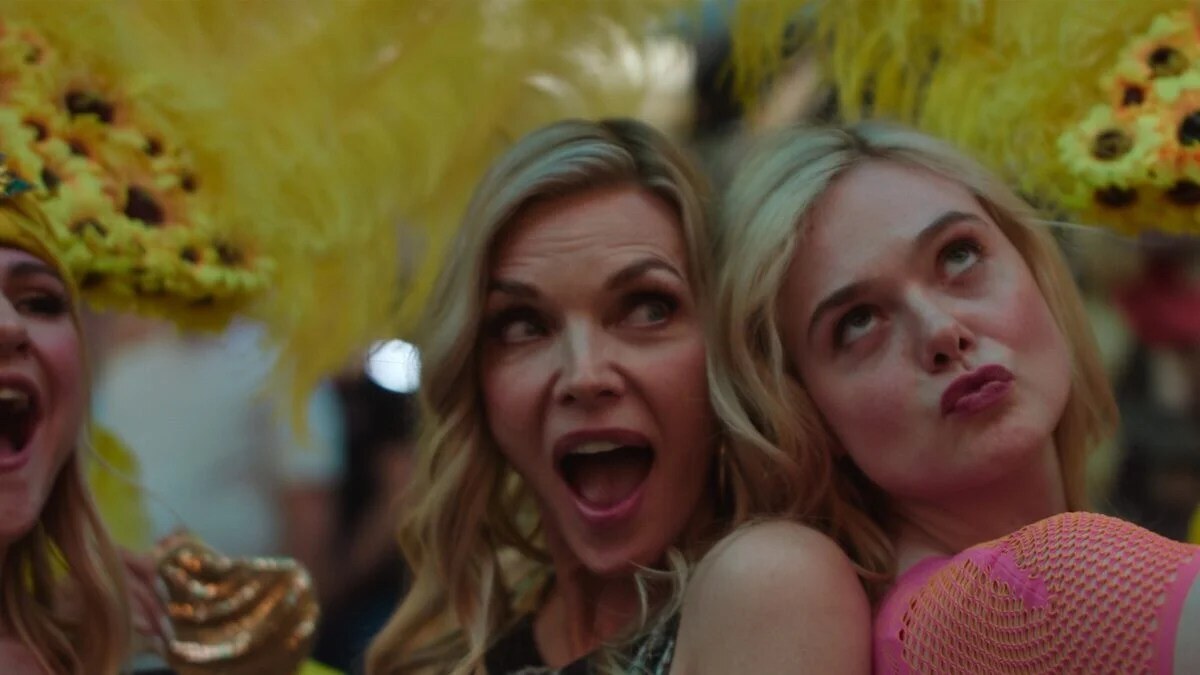
God, yeah, those are such interesting and Vegas-specific challenges. It makes sense. I mean, even in that montage when she's kinda partying with her mom that evening, it feels so real, and not just real in terms of the interactions they're having with background talent, but also just the... It all looks cinematic and beautiful, but it also looked like you weren't doing a lot, and you were doing a lot, so that's just a really great achievement.
Yeah, I mean, typically Dearbhla and I like to be, you have a plan of a shot list and stuff like that, and but typically we're very loose and we want actors to have that freedom like that. But for the three days we were in Vegas we actually had to get very specific because of the lighting. So we're like, I have all of these cadre shots of what we were gonna do, and then you shoot it and it's identical. I mean, just to be able to make sure that we could put a light where we wanted to or that we could block a camera because there's no gambling going on in that space.
Yeah. And within the confines of that, were you still having spontaneity that felt good, or was that not really something you could allow on those three days?
No, we did have a lot of spontaneity in some of the other scenes. There were a lot of unscripted moments because we just loved Vegas. We wanted to shoot so much. The fact that we got so much in three days was pretty incredible. It's a lot, but I'll tell you a little bit of just the challenges. So we only had three days. The first day we were gonna do day, all-day work, 'cause we had to go into nights eventually. So we had to shoot at The Flamingo, and the only time of day where the direction we were shooting where the windows actually looked pink and not like, because there's a polarized film on it was in the morning hours. But the thing was we had to immediately go to the theater afterwards to shoot the magic show, and the theater only allowed us there for like four hours, and we couldn't even get in there to pre-rig. Hours in the early afternoon, and then they had a show. So we had to push our morning call a little later. So we just caught the right angle of sun. Of course, it's in the middle of the day, which is awful for me lighting talent, but at least I got the pink windows, which were really important for the color of the show. And then we rushed to the magic show, shot that in four hours. Had to get out of there. Did maybe one penalty for lunch. After lunch we were running around to like several other places. I don't even remember what the rest of that day was. And then the next day we're shooting the exterior of the wedding chapel, and then we're having to move to another casino, and then we had to do the restaurant at night, which is... Oh my God, I have a funny story about that. I'm jumping all over the place.
No, this is great. This is what I was hoping for.
Okay. So there's this restaurant that's like this oval spaceship looking place. I think Goodfellas shot there. Cool and iconic, right? And so we're shooting Margo there, and she's looking up and there's so many things involved to shoot there because one, you have all these bright lights out the window, but it's a heavily tinted restaurant. Maybe like at least two or three stops. And you need to open up to be able to get all that Vegas lighting at night, right? 'Cause that was kind of the idea and we wanted to shoot all this kind of beautiful stuff. And just her having a moment, which was really great. So I'm downstairs shooting in the casino and my rigger's saying we swapped out all the light bulbs in the big giant chandelier. A circuit blew. The electrician doesn't know how to turn the lights back on. I mean, that was the whole lighting for this restaurant because in the wide shot, you just see the whole thing. So we're getting an electrician up there, they're trying, and then we're like, "In two hours you gotta figure out how to turn that circuit breaker on," right? And I'm hearing about this down below. And so I get upstairs and the company moves up. I mean, it's like 2:00 o'clock in the morning. We have just a few hours to shoot their scene, and they still can't get the lights to work. And they're like, "Oh my God, what are we gonna do?" So what we ended up doing, and you might notice it if you see it, I have parcans down on the floor shooting up and hitting the chandelier to make the chandelier look like it's on. If you look you can kinda see it, but basically the chandelier's not even on. So when we go in close I'm actually using lighting. You have all of these heavily tinted windows which act like a mirror, so any light you put up just disappears. So that became challenging. But in the wide shot, yeah, I mean, we were just hitting it with parcans down below to make it look like it was on. And then the next day I get word, they're like, "Oh, the guy found the circuit breaker."
Oh, man, talk about a fire drill. Have you done that technique before? And did you have firing par cans out the chandelier in your back pocket, or was that something that came about?
It just came about. I was like, well, either we can abandon the wide shot, and then I was just looking, I'm like, "Why don't we just hit it?" I think maybe in my indie super low budget days, I'm sure that I think I've hit a light before. You hit them to make them look like they're glowing or something like that. And a lot of times in TV, I mean, that's what it is. You just have more toys, but you're still figuring out these little problems. And when my gaffer and I were just like, "Yeah, let's just hit it." I go, "How many par cans do you have?" And it's not just that. Because I had atmosphere, we have to worry about backlighting the atmosphere from the par cans, so we had to front light them so it wouldn't do it. And then we don't want it to spread 'cause we have so much background, and they're gonna cross through the lights and get heated up, so we had to get the...
Snoots?
Yeah, the snoots to get it and hide it. Oh my God, it was...
Yeah, no, I mean, it's a solution, but it's a challenging solution. I, at that.
Oh, yeah. It was like 30 minutes of just mic manage till it's gonna work. And three days nonstop of problem-solving every single place we went. We went to shoot this exterior of the Paris, Arc de Triomphe with Nick Offerman and the baby. There's this monsoon thing that comes in Vegas. Pouring rain, and the wind's blowing, and our carts are just like, shit's just flying everywhere. Everyone's just like, "What the heck happened?" And Nick's there with the baby, and the wind's blowing. He's just trying to act normal. He was just madness. And then we leave, and then the rain stops. I mean, this was nonstop Vegas.
Yeah. That's the stuff that happens with shooting on location. And it's just really nice to hear about how you're handling it and the conversations you're having with your team to make it possible, and obviously the biggest thing is not freaking out.
Oh, yeah. I mean, yeah, you kind of have to fake it. You freak out inside, and then you just are just going outside and like, "Guys, this is what we're... It's gonna be great. This is what..."
Yeah, no, no, leadership is not because you're not freaking out. It's how you're handling it.
Yeah, producers and everyone, they're freaking out. They're like, "The lights are like..." "Well, we got a plan. We're gonna hit them with lights." They're like, "What?" Eventually everyone forgot that the lights weren't working. They actually thought, "Oh, you guys got the lights to work."
Goes to show that it's totally selling. So the... Oh, go ahead. No, no, you go.
No, just another just quick like Vegas thing was the High Roller thing. We had scouted and we went on the High Roller, which is this giant Ferris wheel. And Dearbhla was like, "Oh, we should get Margo here. And during the fight she should just have this moment." And that wasn't really part of the plan. She was supposed to be like in the hotel room or somewhere. And we just loved the idea of it. We're like, "How can we shoot there?" And our liaison in Vegas, Alan, which everyone who shoots in Vegas knows him, he's fantastic, and he's like, "Well, I could get you the High Roller. I mean, we can't stop it, but we can, you can shoot on it." And I was like, "What? Okay." So it took military precision planning. Move everyone like into one pod, let it go up, put Margo and the camera operator up, and then it goes up for 30 minutes, and we only had time to do one rotation. But the only way we could do it because it was on, the producer's like, "Well, I mean, you could do it, but you gotta get everything out," we had a shot of Nick Offerman walking out of the bar with the baby after the bar scene when the baby's crying and he has to take the baby out. And so the only way to do it was to do them at the same time. So the High Roller was like one block away, so while we're up there I can see my B operator, Jeff, doing the shot down there, and I'm getting a feed of it. And so we had to do them at the same time, which was pretty great. And in the background of his shot you can kind of see where we were up in the High Roller.
I mean, that's awesome though. And there is something about that heightened level of awareness when you know that there isn't this safety net of all this time, and I don't know, everyone's on their game. There's something really nice about that even though it is nerve-wracking.
Yeah. Yeah, I mean, we shot most of the show in LA, and so we saved the last three, even though it's episode five, we saved it for the very end of the series. And so everyone was pumped up for it. And we told Michelle, "Michelle, you're gonna have to work some long nights." And our last day we wrapped at like 5:00 in the morning on the Vegas strip. "I'm up for it. We're gonna do it." And so everyone was just pumped for the three days, and then probably slept for a week.
Yeah. Talking about the blur that happens when Margo is responding to OnlyFans stuff, I was curious, how was that conceptualized? Was that a conversation that the director brought about and then you came with ideas? Or like, what was that collaboration like? And then also, how was it technically executed? Was that done optically or was it only in post? Yeah, with the blurs and whatnot. Like when she is texting on the phone.
Right. Oh, like when she's doing all the back and forth and stuff like that? Sorry. If ARRI is spelling it. I remember being interviewed for the job. They're like, "So Margo's going to do a lot of interaction with OnlyFans on the computer. How do you think we could do that?" It was hard for anyone to conceptualize how we were gonna do this bit. All right, well let me think about it. And there's always the cutting away over the shoulder to the typing everything or all that stuff. But with conversations with the director I was just like, "If we're in her perspective it should just go full frame. Everything that she's doing is just full frame and it's not like just over her shoulder watching the thing. You really wanted to get inside her head. So either what she's looking at comes up on the screen as like you're inside the phone. And then when we shoot her we're just kind of like, we would shoot like a Petzval lens or something and just let everything blur around her. And so that you're focusing on her and the phone and things like that. And so that was kind of the idea of...
Cool. So it is done optically?
It is done optically. Yes. Yeah. Because I was just like because the whole thing is a literal blur but like when we, the whole experience but yeah, that particular shot we used... Oh, wait a second. I take that back. We used Petzval lenses, but in that particular shot you're talking about where she's center frame, I used a HEROES lens. You know the ARRI HEROES lenses?
I'm not as familiar, no.
And there's like three of them. At the time there were like three of them out, and we had one focal length. And you can change that blur in shot almost like a...
Oh yeah, I remember reading about that.
Yeah. So that was planned for that shot. I think we got lenses just for that moment.
That's super cool. And did you like using them?
Yeah, I loved using them. And we did different things with them too, 'cause you know what ends up in the edits, you just never know. But it starts normal, and then it does the complete thing by the time you're in. And so we did different versions of that moment. But ultimately, I mean, it was just finding that sweet spot and letting the whole world go away, which was just, again, the show is just always wanting to put you in her experience. So that was one of the reasons why we did that.
Yeah, that's cool. The bar scene when Michelle and Nick Offerman and Margo, they're all at the bar. I was just curious to talk about scenes like that where it's a dimly lit bar, and you definitely can feel that like all of the practicals are having an appropriate amount of I guess glow and exposure in relation to like the fallout that comes from each of them and yet the entire frame still has detail and you're creating enough like ambient light that you're not losing anything and I'm just curious. I find that to be a really challenging environment, and I'd love to know how you approach that kind of stuff.
come in and everyone goes, "Oh, I love this place." And I'm like, "The what? The place with the low ceilings that are gonna be in every single shot?" "The dollars are hanging down." I go, "Yeah, but how are you gonna light them all?" So, I mean, yeah, that was challenging. So one of the things I did when we were scouting is I went to the production designer and the set decorator and I said, "I'm gonna need some practicals. I'm gonna..." The... One of the things about the show in the Vegas episode is bringing in a lot of color. But the... And so I had them bring in a lot of neon light that we could control to put in the places I needed to motivate some off-camera glows of light. I mean, we're doing things today as you and everyone knows that you just weren't doing like 15 years ago with these Titan tubes and Astera that you could just put right there and add whatever color you want to. I mean, that's pretty awesome. And that's pretty much what we relied on is just out of camera, taking what practical we knew was there and extending it and wrapping it, adding some atmosphere to lift the shadow. The problem was is every shot with the baby, we had to eliminate the atmosphere. Around the baby. And I was just like, "But this bar really needs that atmosphere because that's the vibe of it." And it also helped me lift the shadow.
Yeah. That's an interesting approach. I hadn't thought about that aspect, that it really helps you with the ambient on the low end.
Oh, totally. So everything would've been so much more contrasty without it, especially when you're shooting wide lenses, which the show does. So everything is in focus. And so if you don't have that layer in the deep background, you kind of don't have as much depth that you're creating. And so when we're having to shoot with the baby and eliminate all that atmosphere, I was just like, "Oh, my God." So I relied heavily on my post colorist, Ricky, who would match that level in the background and just really lessen the contrast there and create sort of that same vibe to match everything we did with the actors.
Yeah. Yeah. And you found that it matched pretty well in post? What was the camera you were shooting on? The convo where Margo divulges that she does OnlyFans to her mom, obviously a very pivotal scene for both characters, and especially with the way that the camera movement had been in the show, I noticed that this was particularly a more still scene. And I was curious, like, what was that discussion with the director during shot listing? Was that something that she had wanted to do, or was that more of a conversation between the two of you? I'm curious just about the shot composition and the approach to the sequence of that scene.
So I would say when we were shot listing that scene, that scene comes at the end of a sequence. It comes at the end of the night, of everything. So it made sense to take all of that craziness and then bring it back down into this studio amount situation. Now we've ended things. And so they're there, and they're drunk. They're trying to get some food, and we're just watching this unexpectedly, that this is gonna be a nice moment that we're gonna end on. Yeah. A lot of our decisions with that were just, it was just psychology and playing on expectations for the audience. This is just the culmination of a great ending. And so then when it takes off at the end and it becomes handheld again it was like, "Oh, fuck." It will be heartbreaking. And so that was the plan is to do those two different camera mo...
And I love that when it did break, and at first they're in that hall of mirrors. Which the metaphors surrounding the hall of mirrors was phenomenal. And I'm curious, what came first? The idea to do it in the hall of mirrors, or seeing that that location had a hall of mirrors?
We were scouting the month before we shot, maybe... Yeah, three weeks before we shot. And they're taking us around the hotel, and then are like, "Okay, well, then you can, guys can just exit out this way." So we exit out this massive hallway, and Dearbhla was like, "Oh my God, we have to shoot here. This is so amazing." And then immediately we're just talking about, I mean, imagine Margo's there and just her seeing her mom. It's everyone's looking. There's two sides to everyone now, and it was just an immediately a connection. And the first thing I thought of was, Dearbhla, if it's just a hall of mirrors, where the heck are we gonna put a camera and lights? I'm like, oh, it's wonderful. But I go, "Are they just running through, and then they're going outside, and then we can do the thing?" "No, they should stop." Okay, cool, with all of these twinkling lights. Cool. And so I had to come back, and I had to make sure they weren't flickering and that it was actually just the rotating... Oh, that was a thing. But the other funny part or interesting part was because I knew we were going there, when we shot in LA the restaurant scene a month before I had our department build those kind of twinkly lights and stuff way out in the distance. It just so subconsciously you're watching it and you do feel like it's very connected, so we do have some of that and stuff. You'd have a little bit of flashing lights, 'cause I was worried that coming from this and going into this might be a bit jarring. And then when we turned around, we added some more Vegas lights behind. And I said, "We need to master from the other side to see the casino." I thought that was really important. So that's why we flip the line and we do everything on the other side. But when we first see them in that restaurant, we're on the inside looking out, so you can see the casino behind them so that it's like we are in the casino world, and then we can go on the other side.
Yeah, that's so smart. It's so nice to hear, 'cause I just... That's always the hardest thing is when you're faking an exterior for an interior and just making them marry.
Connect, yeah.
Yeah. That's cool to hear. And I also wanna say that I don't know if it was because of anything that you were doing, and maybe it was. But by the end when they're out of the hallway and they're on the sidewalk, that happened to be the moment that I finally fully realized that they're wearing penis headbands. And it was also at the moment where the story got the most serious, and I thought that was just a great juxtaposition that they're having this serious conversation at the height of the tension wearing these headbands. And they're... I don't know what it was, the composition or what, but that was when I finally noticed that they were wearing them.
Yeah. It's so funny because it was... I mean, it was such a risk. I remember we were thinking about it and we were like, it just makes sense for them. In the story, if you were just gonna shoot the story without that dramatic episode, they're in their penis thing, and it's part of the whole vibe of their bachelor party, and they pick them up from these other people, and they love them. But knowing that you were gonna go into the serious moment, it was just like, "Is this gonna be distracting or not?" And there was something about it which was just like in life, you can't pick the moment it just happens. There was something so perfectly Margo about that, we're just like, "We're gonna do this because this feels exact..." Like, you can't change things just for the dramatic thing. So we do it, and we actually have to frame them a little bit different.
Maybe that's it, 'cause you were keeping them in.
We were keeping them in.
Yeah, and it's like that made it more noticeable in a good way that like... Versus my brain was like, "Normally this wouldn't be the framing, but it is and it's because of the headbands." And now all of a sudden I see them even though they've been wearing them for this whole conversation. I thought it was great, yeah. And it is an interesting thing to hear you're worried about if it's right or not. And then when you said, "But it's so Margo," when you say it in that way, you're not meaning for that character, you mean for like the show's essence overall.
Its overall.
And it's cool when you get in those moments for like you know what the character of your project is, and when it shows itself to you.
Yes. Definitely. I mean, there were... I mean, you just knew. And again, it's that thing where like as a DP you just know it without you being technical or words and so trying to find the words for it. It's just like you just know. It was just very Margo. That moment was very Margo. Like that.
Talking about the wedding scene, when it ends up becoming a bit of like a very thoughtful montage in a way versus shooting it in more standard coverage. I was curious if you understood that that would be the way that it was going to be edited from the beginning because I could also see a world in which they figured that version of the scene playing out in the edit and in post and I'm curious if you were aware of how the edit was gonna go.
Definitely that was pre-planned that it was gonna end up being like a montage. And I think actually there are a lot of scenes throughout the series where it was written that way and we even knew the music so I could have like our sound mixer was really great at pumping the track in our compact so it wasn't like playing out loud but so the operators would have the vibe for the push-ins and stuff like that.
Cool. Coming towards the end of my questions here and something that I wanna do with every interview when we're talking about a specific project for each one and wanting to ask, what was both the hardest day mentally on the project and the hardest day physically on the project and they could be the same day or different. And how did you handle both?
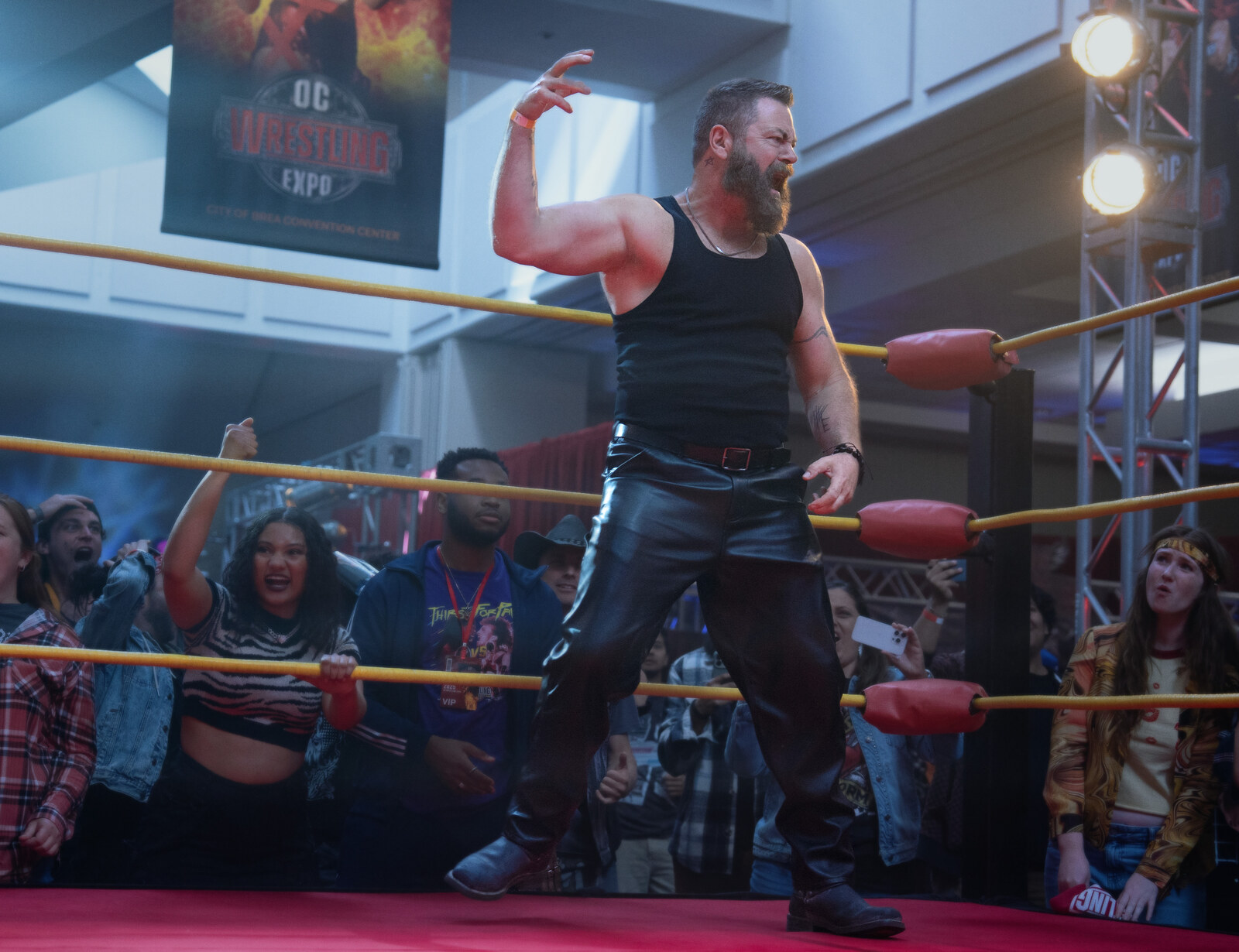
I think the hardest day physically would've been the wrestling sequence in episode four. The WrestleCon sequence just because there were just a lot of I mean you put a plan in place, you prep it, and you have, there is no second chance at it. You just either get it or you don't. So we prepped this convention hall that had these giant skylights, pyramid skylights and everyone loved the way the sun came in and hit everything and created these shadows and I'm like, "Yeah that's going away. You guys, no. We're gonna shoot over two days here for like one small segment of the show." So the thing you need is control so we're in Pasadena and close to summer so you got that high sun that's just moving throughout the day and then dropping. And so we ended up building these custom almost soft boxes over these pyramids that required a construction crane to drop on them and then I had 18 K's ready for when the light went out to just keep that up and then I had a balloon inside, I had all these Rock and Roll Park lamps and it was a huge lighting set up. It was our first day with Nicole Kidman. We had a huge background. This convention hall was bare and empty, and we came in and built the WrestleCon in a day and a half and lit it, and there was just all of this pressure to definitely sell WrestleCon. It had to feel very real, like this is the real thing, and the wrestling had to feel real and larger than life. So we emphasized a lot of that, and it was just a lot of planning that was involved for this moment, and I... And everyone was just having fun and taking pictures there, and the whole time, again, another sleepless, sweaty night of just like, "I hope this plan works," of lighting. You either have the tools there or you're dead in the water. Is the balloon gonna get in the way? Are the skylights gonna work? I had to replace all the bulbs down below because they were so ugly. The existing lights, they were all old. Some weren't, the colors were mix-matched. So we had to replace so many light bulbs down there, and some of them had to be actual bulbs that weren't controlled color-wise, so you had to pick a color and in the moment in planning and go... And this is just one day of many. So there was just a lot of heavy lifting to make that sequence work and get it in the can.
Yeah. No, and it's nice to hear that I guess the scale and scope of projects for DPs change over their careers, but that underlying will-it-work question still exists.
Yeah, and we didn't get a pre-light either, so... And yeah, there's just a lot of moving parts and it's moving so fast. No pre-light, and you're just hoping that the color you picked are the show. It's Margo. You're lighting for the color temperature you wanna be at. And Nicole Kidman, again, I didn't get to do a camera test on her. I had no idea what kind of lighting she takes, and she's just coming in on a whim and then going out. And so we just had to get it right. And I mean, she was actually really amazing and very easy to light, so that was one of those, thank God for them. That was fantastic. Job a lot easier when you don't have to worry about things like that. She could actually take a lot of really, great, I was worried because in the wrestling ring, I have all of this harsh backlight and everything, these parcans going at them, and because that, we wanted that vibe, twinkling lights. And one of the things we did is I made sure we had a couple on... 'cause it's an elevated platform, so a couple high stands that were rolling around where, from a large light mass with some really soft diffusion on them that could come around and fill in where we need them and give people eye lights that could move around when we were shooting. And so that's all the additional according to the practicals that we had in play.
Yeah. Mentioning Nicole Kidman reminded me of a question that I forgot to ask just about actors and the way that sometimes they can be in a positive way, more than just the actor, but really helping and impacting the filmmaking overall. And I was curious if there were any instances or collaborations where the actors were elevating your game in a certain way, and I was curious to hear about it.
I think... Definitely were fun to shoot. And you work really hard in the beginning to gain people's trust. Once you get that, it becomes a lot easier to be able to...
How do you feel like you do that?
You make sure that you look like you're taking care of them, and so that you're not just treating them like a piece of furniture who say, "Oh, yeah, that's fine." And listening to them and where they wanna move. And sometimes obviously actors always have, "Well, I'd like to be over here," and I go, "That works, and if you came over here it'll be a little bit easier or look better." And they're like, "Okay, great. I can do that." And when they hear that you're looking out for them that way, I think eventually they're like, "How does this work? How's this work?" So it becomes like a collaborative relationship. And there was one instance, I think it's in the finale, in episode eight, Nicole Kidman is berating the family on the couch and Dearbhla wanted this high angle shot over her looking down and talking to all of them. And it wasn't planned for her to turn around the way she did, but again, Nicole's so... She plays with the camera. If the camera's there, she can... She will do things you didn't even expect, and when you're watching you're like, "Holy shit." From... She's a background player in the courtroom, and she brings it to life. So the camera's behind her. We're lighting three different skin tones here, over her back, right? I've got Nick Offerman here who's tan. I have Elle Fanning, who her tone is different than Michelle's tone, right? And they're up against glass, which like, this is an easy shot is just really difficult. So I have all these lights in there, right? And it's just supposed to be over Nicole's back, and she just, all of a sudden she turns to the lens and goes, "Ah," like that, like she's frustrated. And I like grab the gaffer and the key and I'm like, "Does it look good?" And she fell into great lighting. And it wasn't planned, it just happened to be that the lighting was just fine. It was just... And so 'cause the director was just like yelling. "Oh my God, that was so amazing. And it was so..." It was just such a great moment, and it was, I mean, it's just one of those lucky things. Not lucky, because listen, if you don't light someone well and it's the shot, they're gonna use it no matter what. They're just gonna use it. This idea of control of every moment as a DP, when she turned around to face the lens, and we are right there with her, you're just like, "That's not a flattering angle at all." And somehow it was flattering, and it's just one of those lucky things where you're just like, "Oh, thank God. Thank God that worked out."
Yeah. It's flattering 'cause it's Nicole Kidman.
21st slot, right? And I never would've planned to do anything like that with any, no matter who the actor was, I wouldn't have planned for that moment. I think she just played it because we were there.
Yeah, no, that's great. That's an awesome answer to that question.
Six inches away from her face. And you know when a camera's that close to you. Yeah. Into the lens when it's right there, right?
Well, I'm glad it worked out. For the last question, just knowing that this episode is nominated for cinematography for an Emmy, what does that nomination make you reflect on?
It really made me just remember how much fun we had on set. I mean, the crew is just like a family. And we do this thing where we dress up every Friday. We spin a wheel, and there's like a different theme. So we'll spin it on Monday. Sometimes the actors will spin it for us and we... And so it just brought this huge camaraderie between the actors and the crew. We were all like one big family. And the thing I took away from the nomination, it was just that camaraderie and friendship and fun really worked in the show. Like I mean, everyone just wanted to make it so good. Every camera operator, focus puller, the grips and electrics, we were all family. So yeah, that's what I took away from it.
That's special, and not something that happens every time. That's really cool that that's the one that gets recognition.
Yeah. And we had a lot of espresso martinis in Vegas, so that was...
Yeah, it sounds like you needed them.
Yeah. So that would be like, "Thank you very much for the espresso martini that helped contributed to the show."
Yeah. Well, that is all the questions I have. So thank you so much for the time. I really enjoyed the conversation. Cool. Thank you.
And if...
Yeah, with another project, absolutely.
Well, thank you so much.
The work stays free. Someone still pays for it.
Every episode, every article, and both of the Resources tools are free to use. No paywall, no membership fee, no login. That is not a growth tactic, it is the whole point: learning to light a scene should not depend on what you can afford.
Sponsors cover part of it. The rest is people chipping in.
Monthly or yearly, from $5 a month, less than the price of a coffee. It costs real money to keep the podcast, the writing, and the tools running, and supporting is what covers it.