
Newsletter No. 008: Stuart Dryburgh, ASC, NZCS: Lighting East of Eden by Oil Lamp and Candle

Stuart Dryburgh, ASC, NZCS read all seven of Zoe Kazan's scripts for East of Eden in an afternoon at the beach. He photographed episodes one through four for director Garth Davis, and Sam Chiplin photographed five, six and seven. He and Davis did not want a stylized period film. They chose the ARRI ALEXA 65 and DNA lenses, and took the crew to the high country of Central Otago, on New Zealand's South Island, for the Salinas Valley.
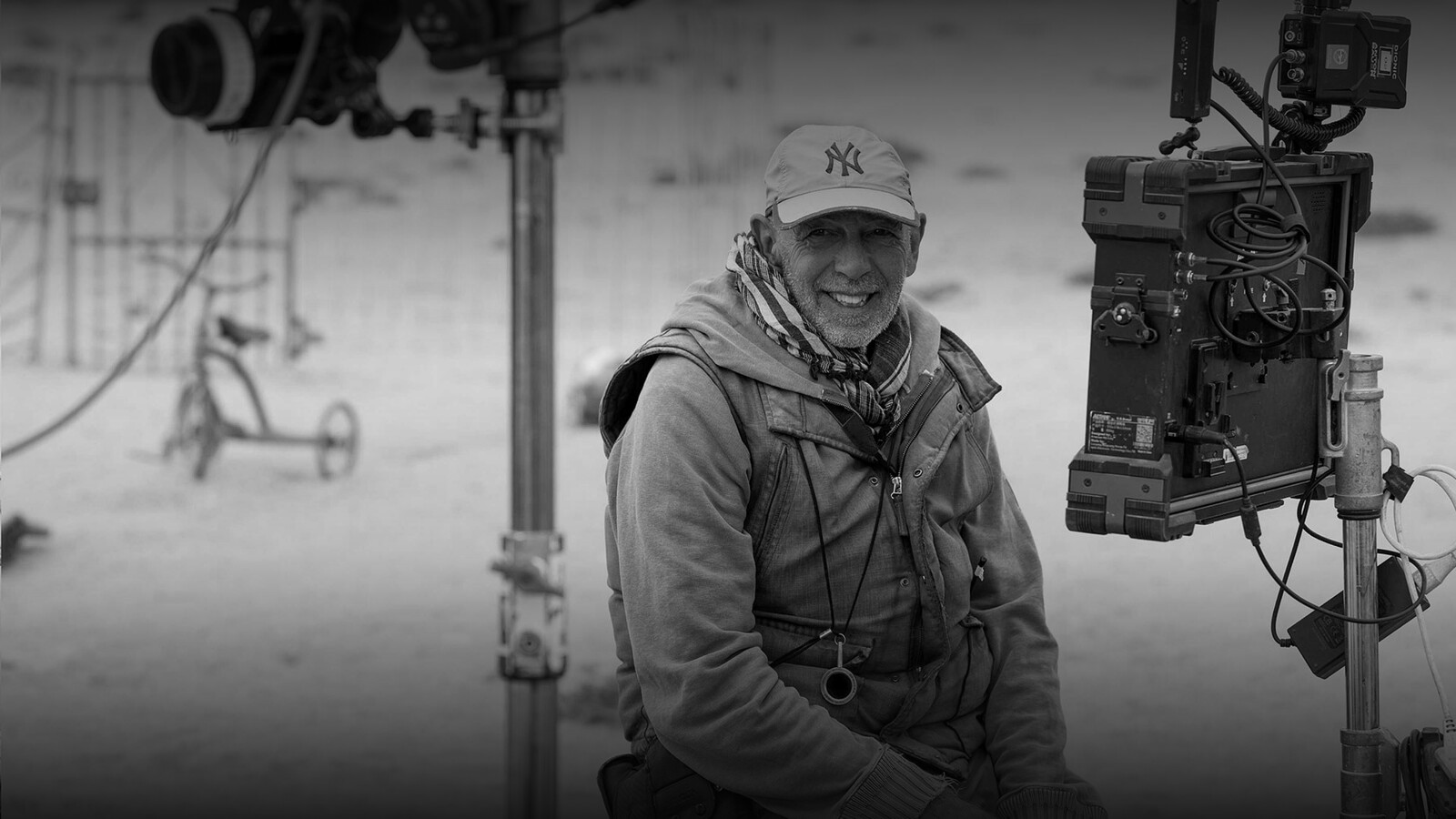
Stuart Dryburgh, ASC, NZCS: Lighting East of Eden by Oil Lamp and Candle
Stuart Dryburgh, ASC, NZCS read all seven of Zoe Kazan's scripts for East of Eden in an afternoon at the beach. He photographed episodes one through four for director Garth Davis, and Sam Chiplin photographed five, six and seven. He and Davis did not want a stylized period film. They chose the ARRI ALEXA 65 and DNA lenses, and took the crew to the high country of Central Otago, on New Zealand's South Island, for the Salinas Valley.
Oil lamps and double-wick candles were the key sources indoors, helped by Astera tubes and a dimmed Chinese lantern hidden behind a table. Dryburgh shot at 1600 and at times 3200, which let him shoot dusk for night. "It does add a little bit of noise into the picture," he tells host Jared Levy. "But that kind of becomes textural." A twilight conversation between Samuel Hamilton and Lee took two evenings. The opening crane shot, across a plowed field to Cathy's hand, he operated himself, "on the principle that I'd have no one to blame but myself if I got it wrong."
David
Keep it free for everyone.
No paywall, no membership, no login, on purpose. Learning to light a scene should not depend on what you can afford. Readers who chip in, from $5 a month, cover part of what it costs to keep it that way.

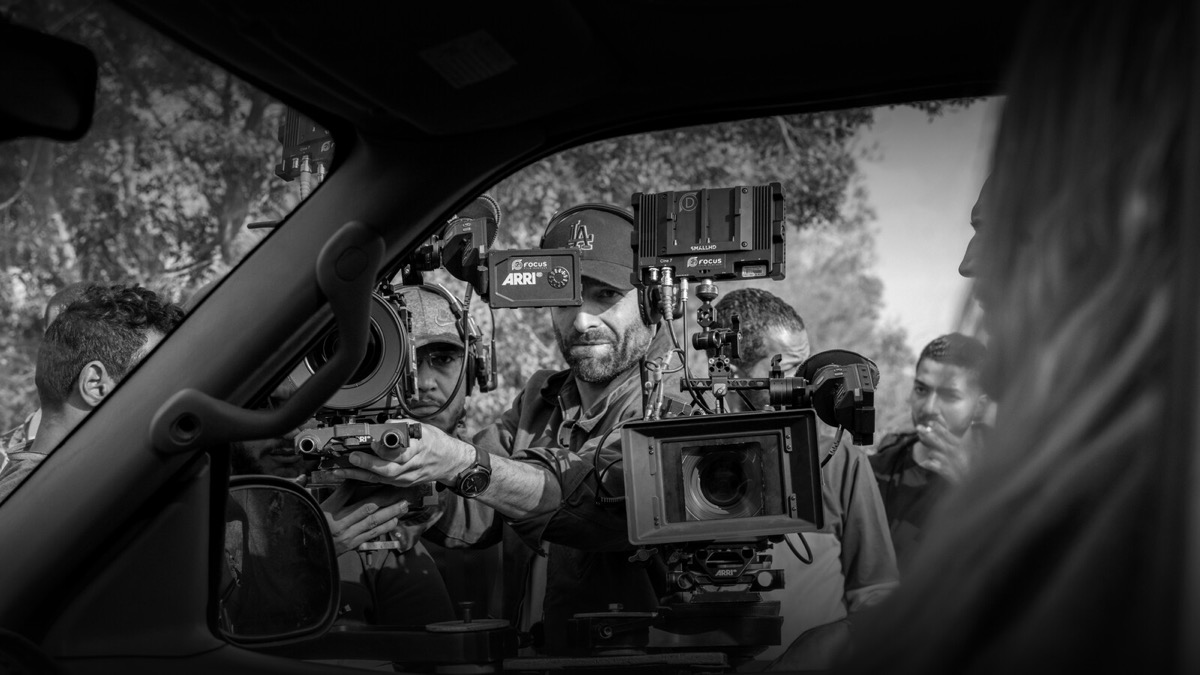
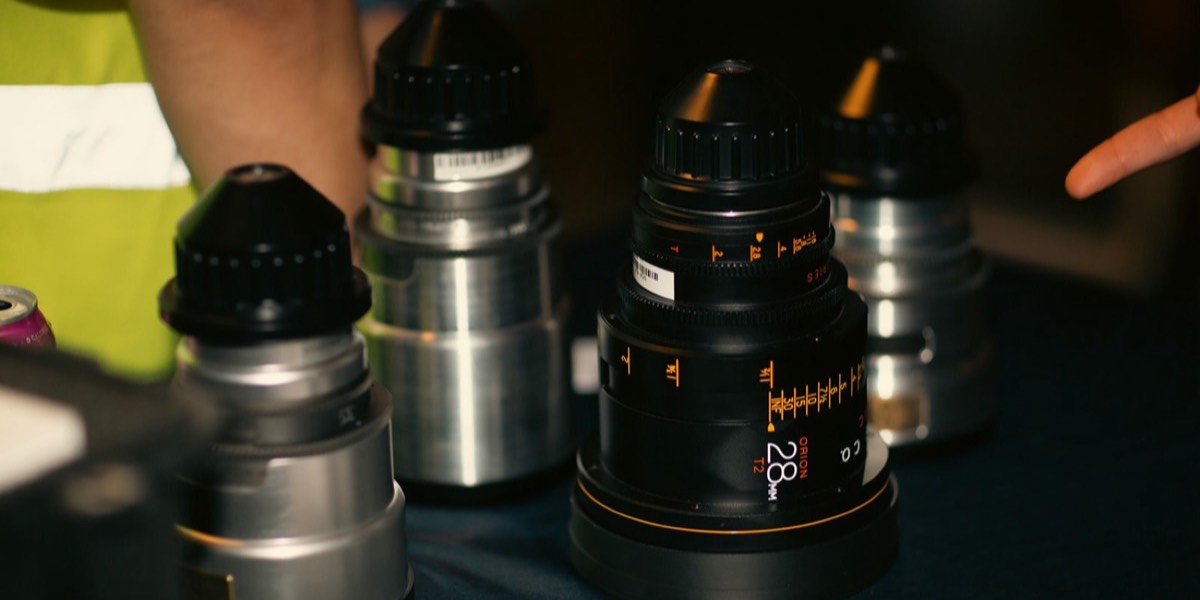
The work stays free. Someone still pays for it.
Every episode, every article, and both of the Resources tools are free to use. No paywall, no membership fee, no login. That is not a growth tactic, it is the whole point: learning to light a scene should not depend on what you can afford.
Sponsors cover part of it. The rest is people chipping in.
Monthly or yearly, from $5 a month, less than the price of a coffee. It costs real money to keep the podcast, the writing, and the tools running, and supporting is what covers it.