
Newsletter No. 003: Everything we do is free

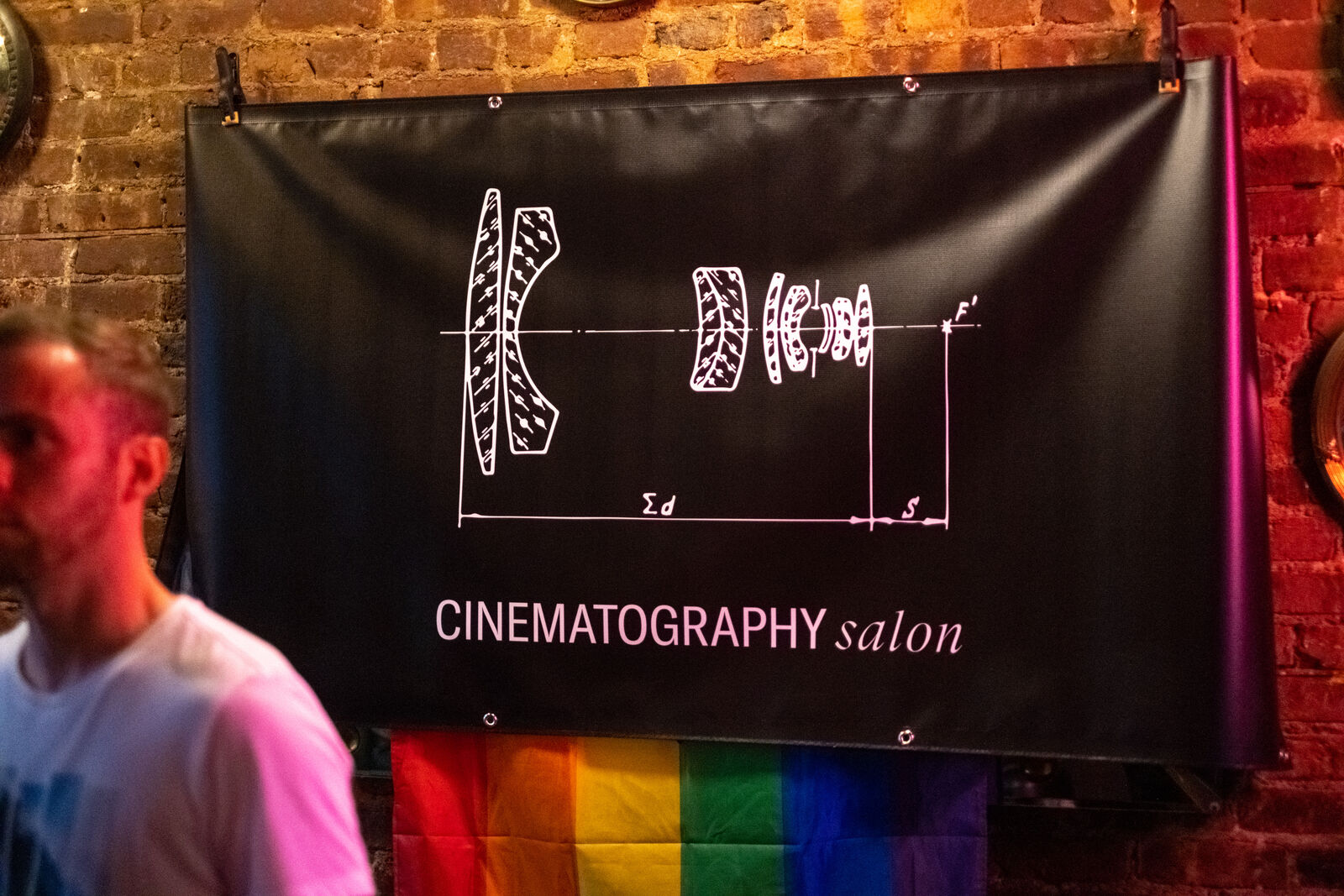
I started the Salon in 2015 as a way for a small group of peers to share info, tips and tricks about the craft. It occurred to me that between film school or early days on set, and progressing in your career to the point where you are joining unions and guilds, is a massive gap to traverse on your own.
So in this issue I wanted to talk about how we fit into that space, where the name came from, why everything we make is free, and why I intend to keep it that way.
David

The name is borrowed from artists who forged their own path
Art salons ran in Paris from the late seventeenth century, public exhibitions sponsored by the French Royal Academy of Painting and Sculpture. They were conservative. The jury imposed strict rules on style, on subject, on technique. They hung in the Louvre's salon carré, which is where the word comes from.
The interesting part is what happened next. The artists who were excluded or turned down by that jury went off and mounted their own exhibitions. Those became the salons everyone actually remembers.
Those are the footsteps we walk in. You cannot put bounds on art and creativity, and there should not be any on who gets to learn the craft. The Salon is meant to be a space that encourages that.

Free is the ethos
No paywall, no membership fee. The podcast, the events, the tools, all of it. That is the whole point.
Cinematography is a difficult craft to break into. Cameras, film school and rent all cost more than they used to, and rates have not kept up. The people with the most to bring to this space are very often the ones who can least afford to buy their way in.
For a hundred years you learned from a stack of American Cinematographer magazines, whoever on set was generous enough to explain a concept, or apprenticeships that seemingly do not exist anymore. We are trying to hold the door open for everyone.

Why this one is personal
My family were political refugees from communist Czechoslovakia. We left Soviet rule and came to the United States with very little to our name. I grew up poor, and experienced first hand what it looks like to not have opportunities.
What I took from that is that knowledge and opportunity should be free and equitable, open to anyone, and not rationed by money or by having the right connections. The Salon is my best attempt at providing an in.
This would not happen without the generous and continuing support of my friend Topher Hammond producing the events (and more), and Jared Levy graciously hosting the podcast, which is back for a fourth season.
I still shoot for a living, which is the point. I remain close to the work and the industry, so I see firsthand what one needs to make this career work.

So here is the ask.
The Salon runs on sponsors, and on people who chip in. That is what keeps it free for those who might not be able to afford it.
If any of it has been useful to you this year, the cost of one coffee a month can keep the lights on.
Already chipping in, or not in a position to? Both completely fine. Forwarding this to one person who would like it helps just as much.
From the Salon
Adam Newport-Berra, ASC on The Invite
Four faces in one apartment, on 35mm, with the softboxes built into the ceilings and everything else kept dark so the faces carry the light.
The lens database and the fixture tool
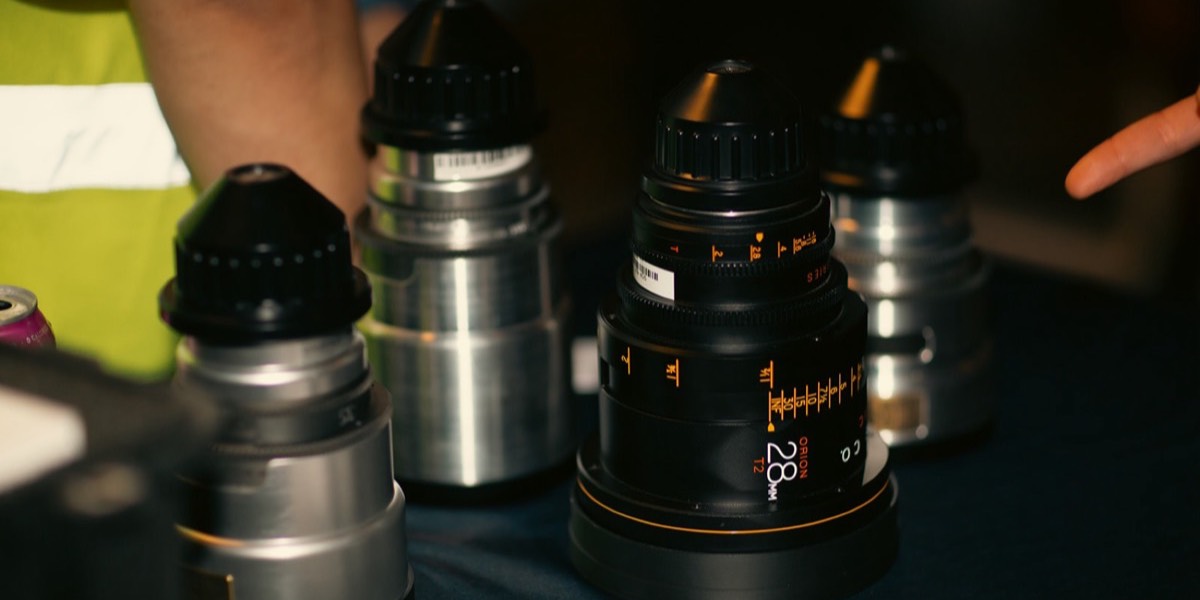
New Leitz and FUJINON lenses and specs just went in. Still free, still no login. If something looks wrong to you, reply and tell me. That is how they get better.
The holiday party
December, in New York. I am putting it together now. If your company wants to help make it happen, reply to me.
The work stays free. Someone still pays for it.
Every episode, every article, and both of the Resources tools are free to use. No paywall, no membership fee, no login. That is not a growth tactic, it is the whole point: learning to light a scene should not depend on what you can afford.
Sponsors cover part of it. The rest is people chipping in.
Monthly or yearly, from $5 a month, less than the price of a coffee. It costs real money to keep the podcast, the writing, and the tools running, and supporting is what covers it.