
Adam Newport-Berra, ASC: Four Faces in One Apartment for The Invite
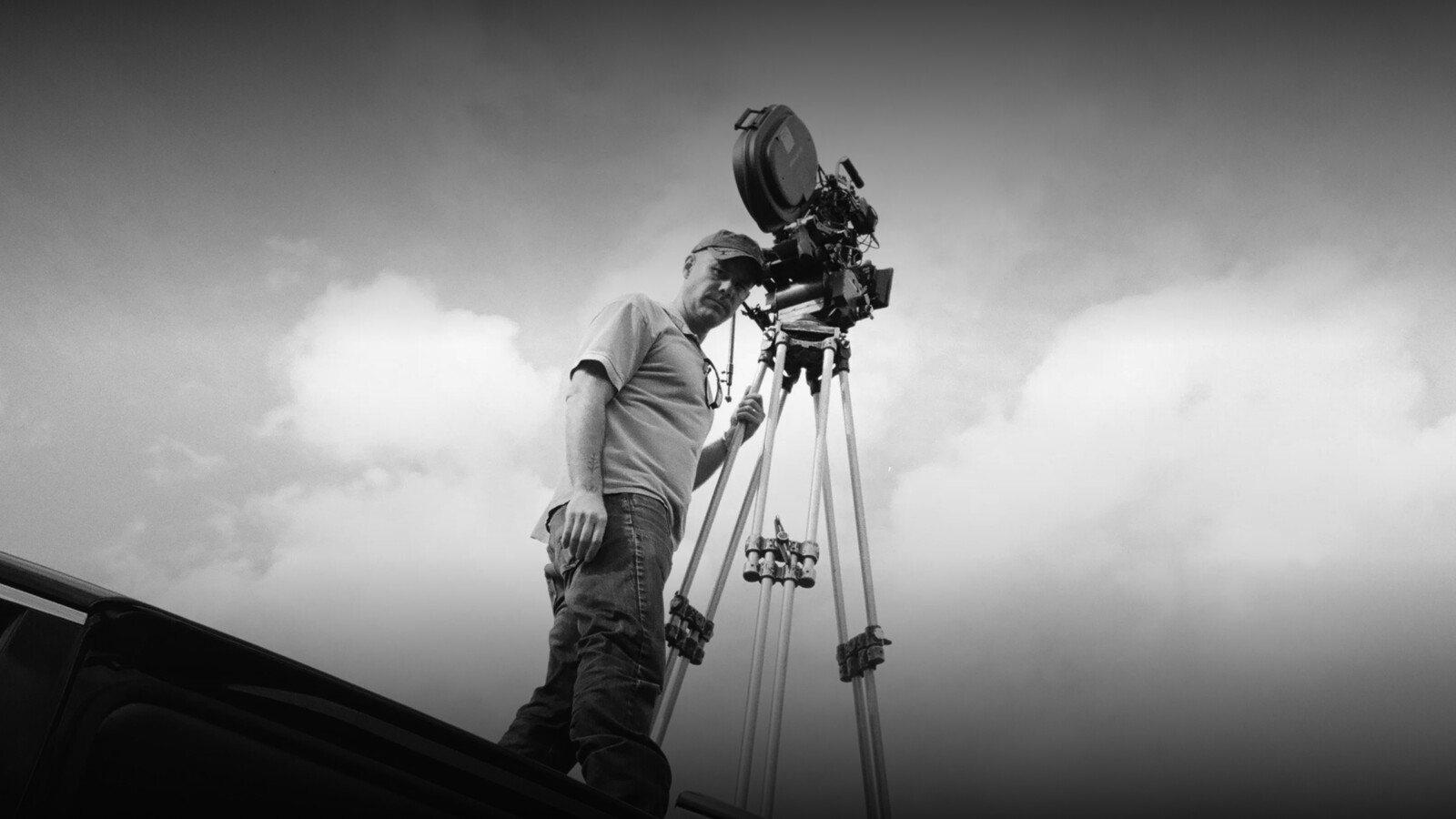
The darker everything around them is, the more their faces are going to pop, because this movie is about the characters' faces.
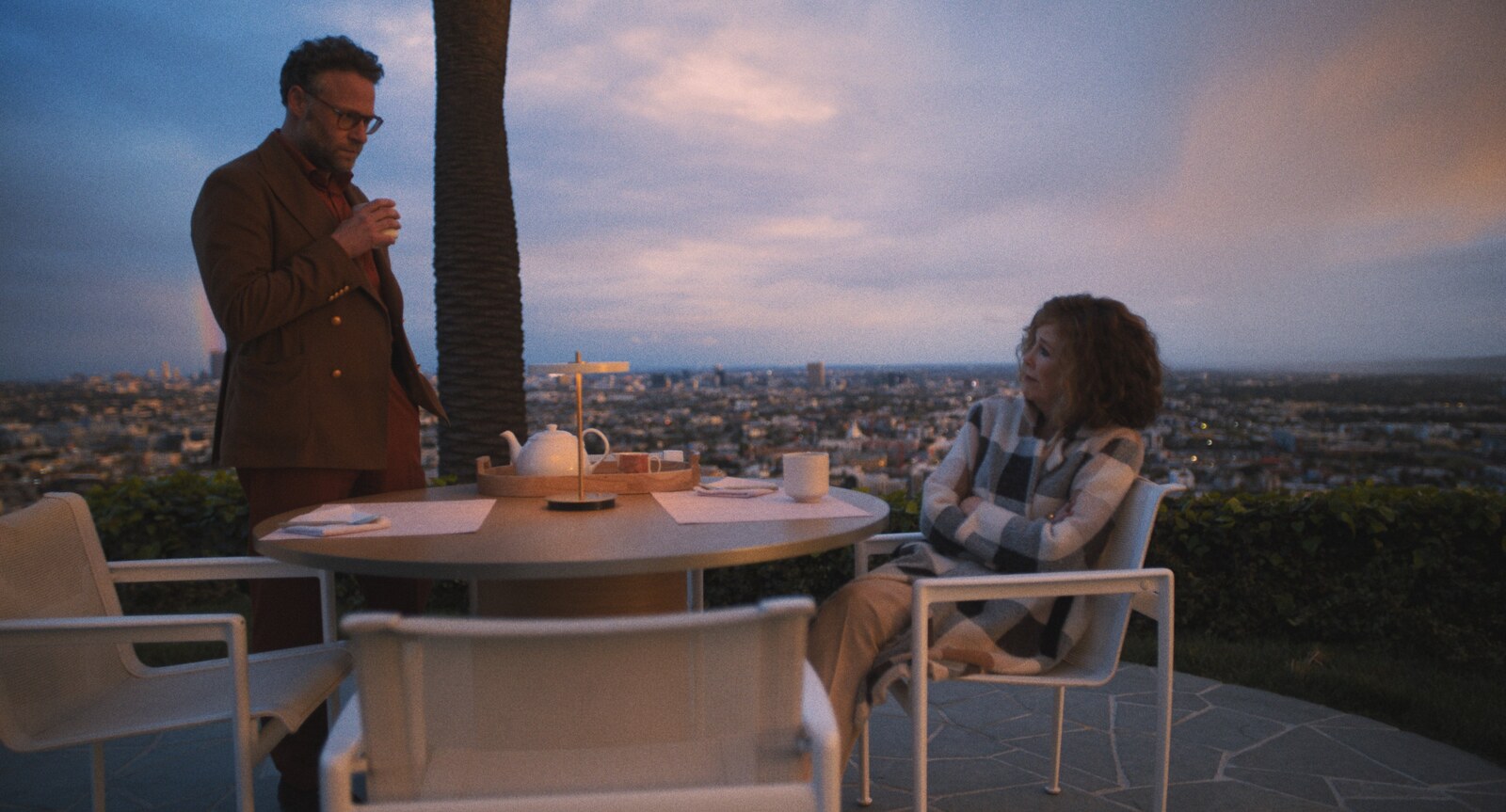
The Invite, Olivia Wilde's comedy for A24, plays out almost entirely inside one San Francisco apartment, where a couple played by Wilde and Seth Rogen host an evening that goes sideways with visitors played by Penélope Cruz and Edward Norton. Adam Newport-Berra, ASC photographed it on 35mm, in story order, on a Los Angeles soundstage with a single day of exteriors in San Francisco. The brief he set himself was that one enclosed space should feel, in his words, like a landscape, and never like a set.
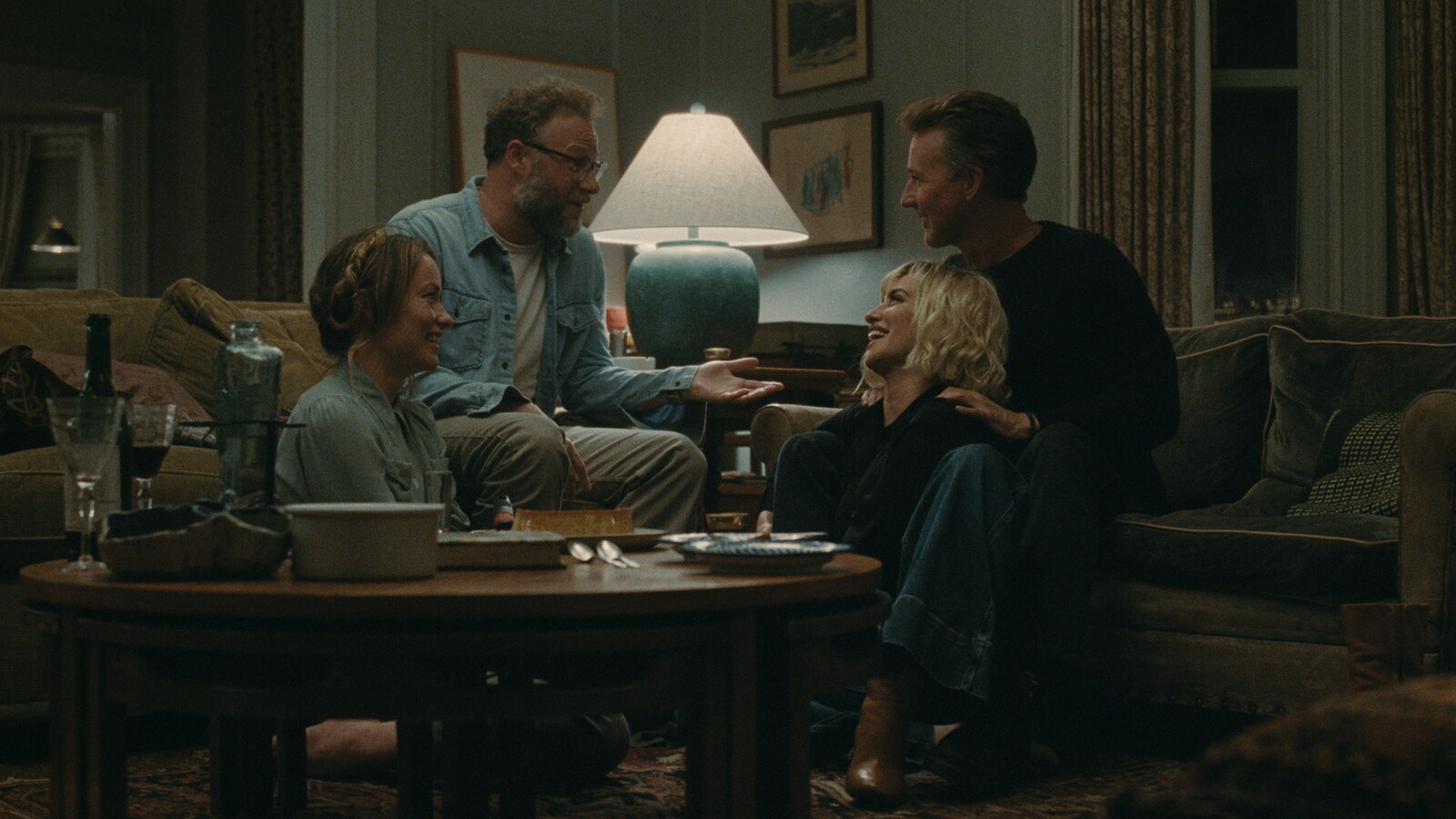
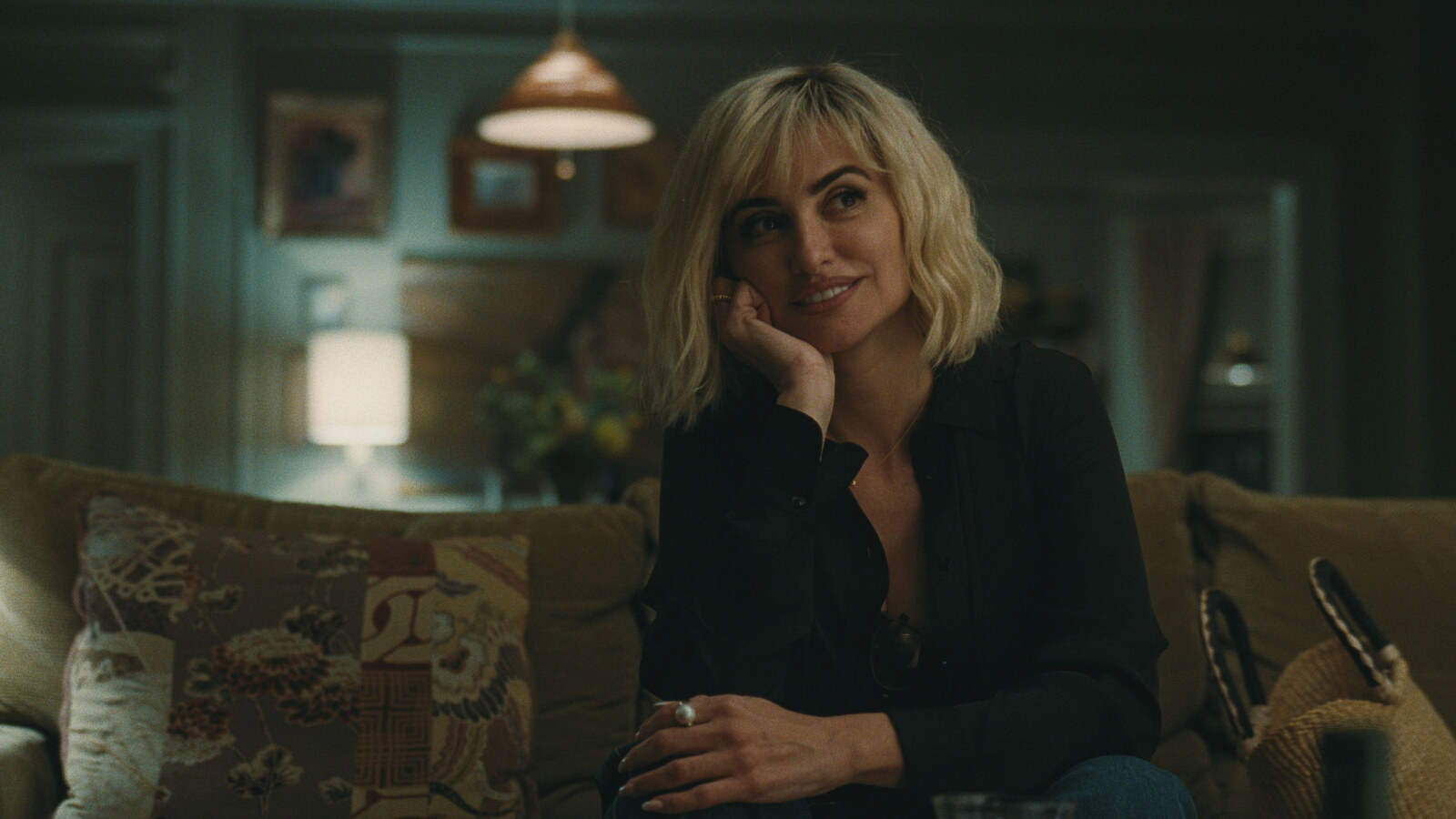
The first plan was to light it practically, in the spirit of Husbands and Wives, and let the actors move in and out of shadow. A test with the cast said otherwise. Nobody liked the dailies, and Newport-Berra got some phone calls afterward. What replaced it was hard ceilings, because an open set lit from above reads as a set, with the light built into the ceilings. Key grip Adam Kolegas fabricated low-profile softboxes, tube fixtures wrapped in muslin and skirted, light enough to hang from putty knives slid into the stretch-canvas ceiling and quick enough to pop off in ten minutes when the camera needed to tilt up. Gaffer Len Levine ran them by remote. Doorway moldings that dropped a foot below the ceiling hid the boxes behind them, and six to eight more lights sat on the floor for nearly every setup. With production designer Jade Healy and costume designer Arianne Phillips, the walls, the wood, and the hosts' clothes were kept dark so the faces would carry the light; the visitors' wardrobe was made to stand apart from the room. Every shot in the film, he says, is very lit.
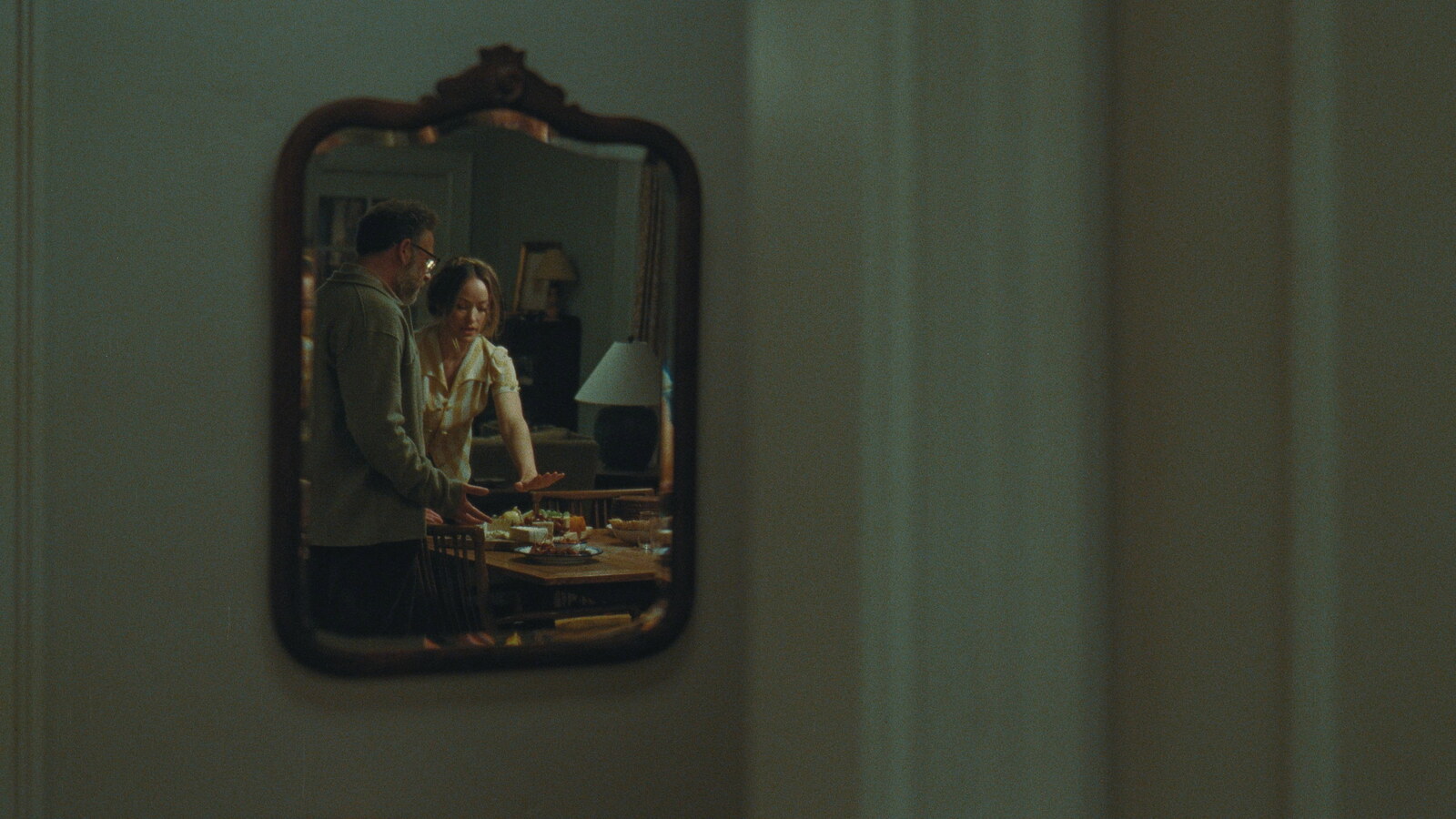
There was no shot list on set. Newport-Berra wrote one for the whole film, in a Google Doc, and says he never looked at it once. Prep was a wall of two hundred reference frames, and each morning he walked the set before anyone else arrived, photographing angles on his iPhone with his crew standing in for the cast. Wilde, who stepped into the role of Angela after an actor dropped out, ran each scene with the cast, then handed it to a stand-in and watched from outside while she and Newport-Berra picked frames. The camera stayed on the dolly and mostly locked off; there is no handheld in the film. The tools were lens, height, and eyeline. Norton is held slightly low on a 35mm, almost heroic. Cruz moves on Steadicam on a longer lens. Rogen and Wilde are pinned flat against a wall with too much headroom. For the couple's first argument the rule was cat and mouse: never on the same level, never in the same frame, together only in mirrors and window glass, until the scene lands on a head-on two-shot. The last shot of the film, a move through the building's shaftway that Healy had designed the set around, went at four in the morning on the final night on stage.
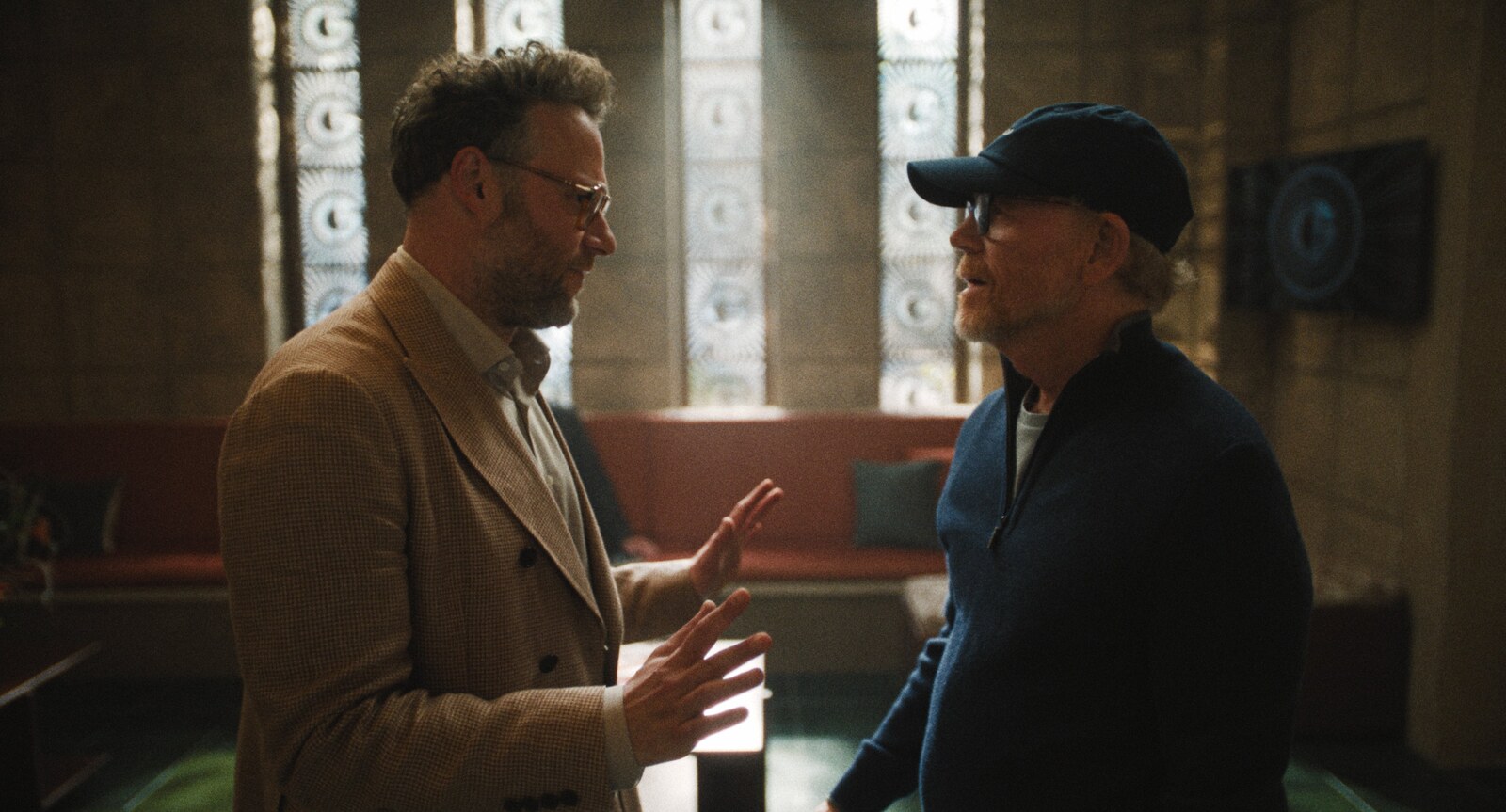
There is also the matter of Seth Rogen's glasses, which Newport-Berra has been lighting around for four years: anti-reflective coatings tested with the props department, a stand-in wearing the frames while lights get moved, and a lot of light from above. His one ask of Wilde before he signed on was that the film feel effortless, which, he says, usually means you are trying much harder.
-
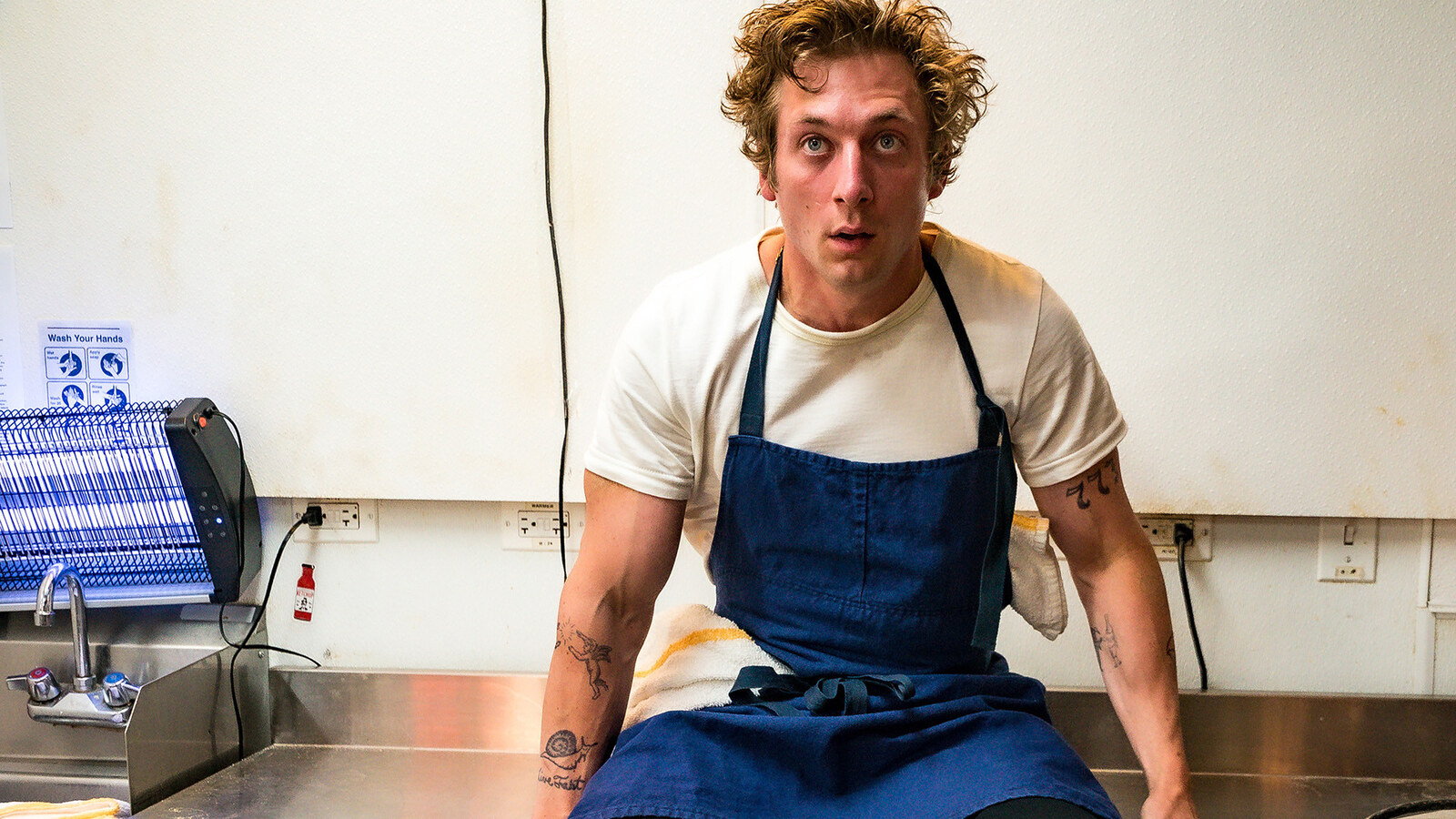
Adam Newport-Berra, ASC
-
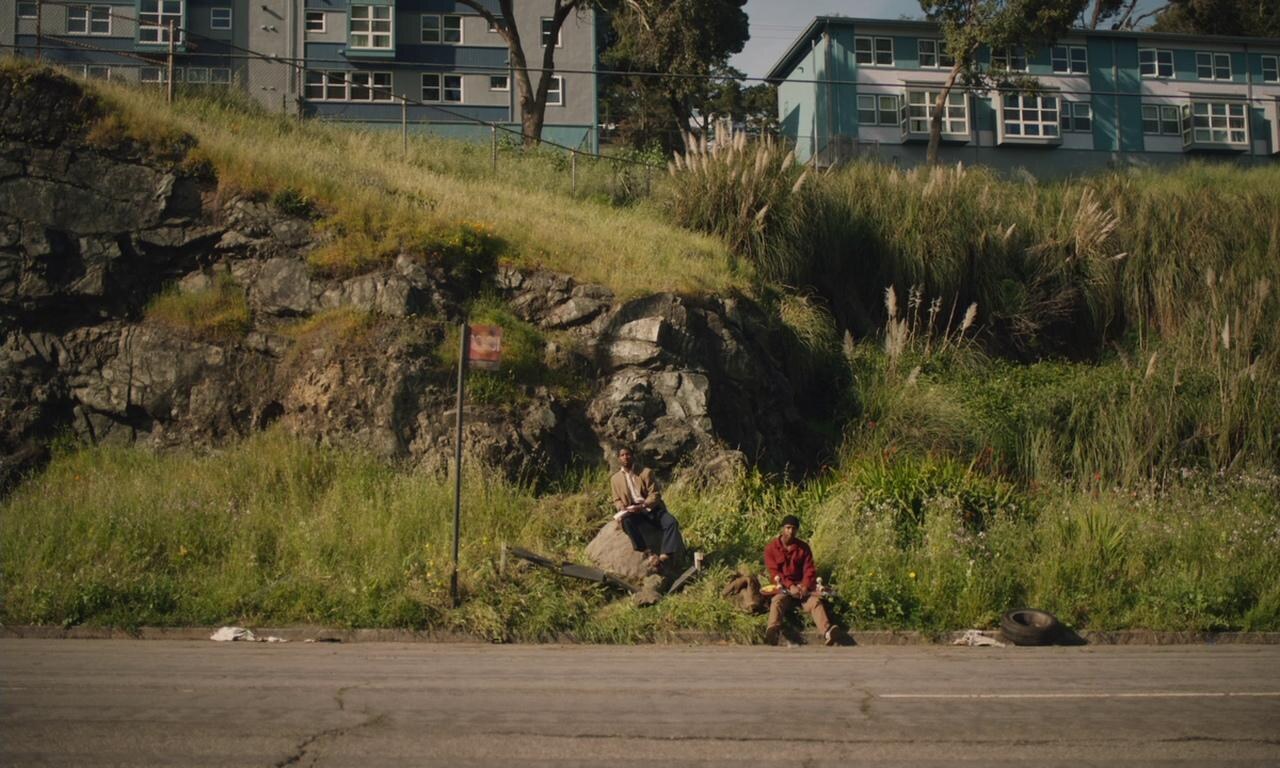
Jared Levy
-
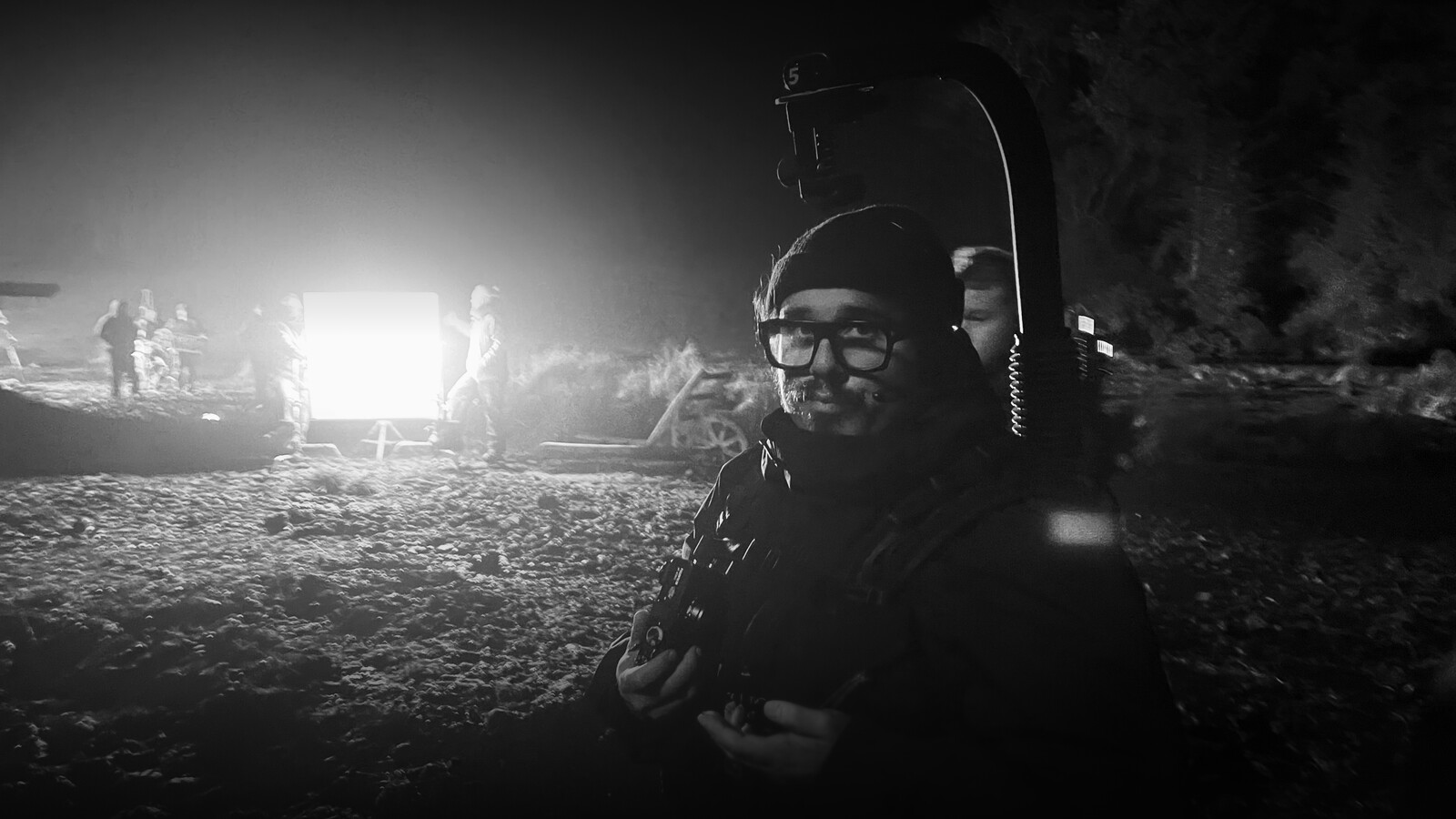
David Kruta
-
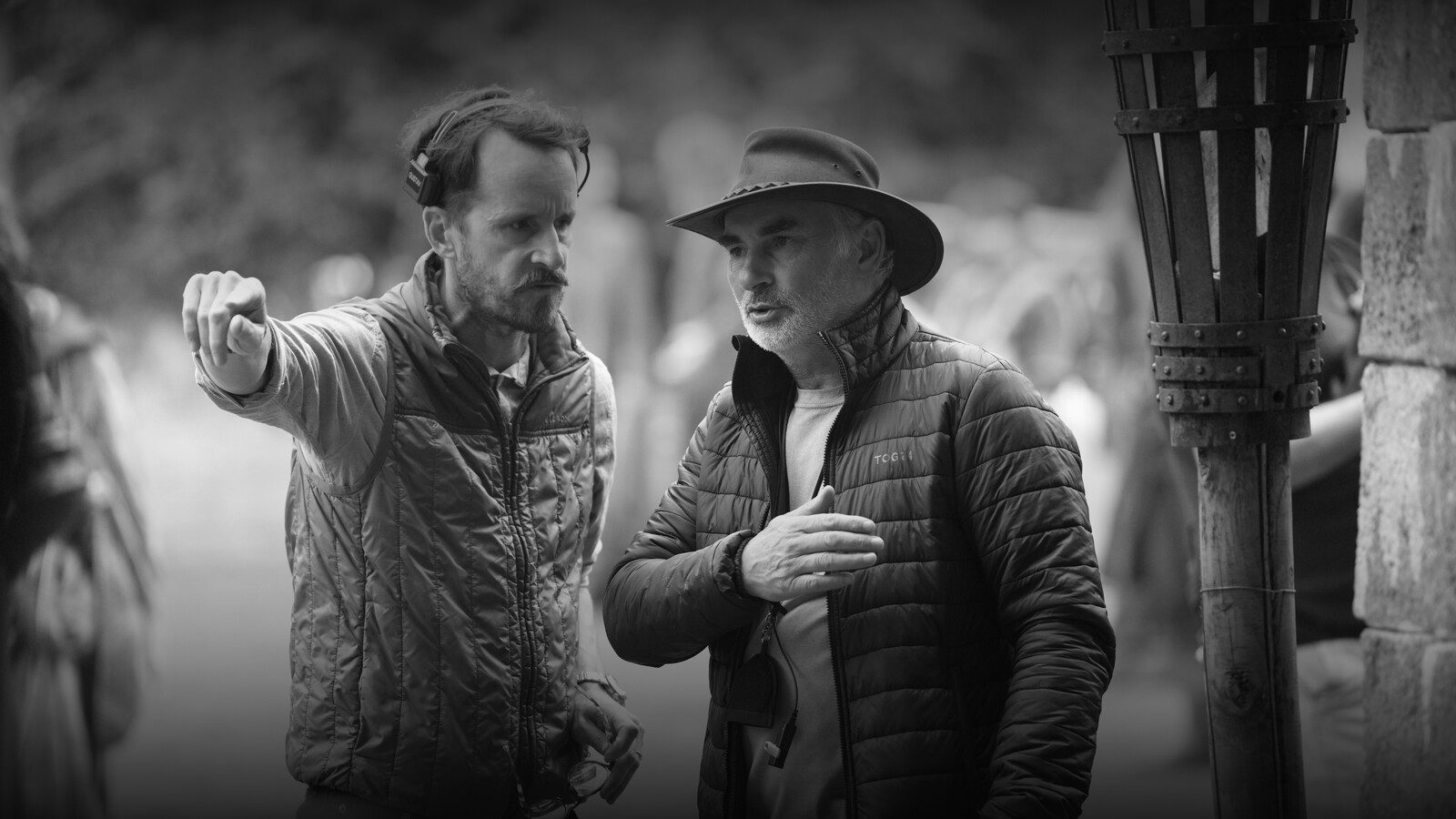
Topher Hammond
This episode is made possible by Fujifilm.

The work stays free. Someone still pays for it.
Every episode, every article, and both of the Resources tools are free to use. No paywall, no membership fee, no login. That is not a growth tactic, it is the whole point: learning to light a scene should not depend on what you can afford.
Sponsors cover part of it. The rest is people chipping in.
Monthly or yearly, from $5 a month, less than the price of a coffee. It costs real money to keep the podcast, the writing, and the tools running, and supporting is what covers it.